“Acts of terrorism”. This winter will decide the fate of Ukraine. Three reasons [OPINIA]


Or at least since the first months of the invasion almost four years ago, when Russian armored columns approached Kiev. Then valiant Ukrainian resistance, 2,000 anti-tank missiles delivered by Britain weeks before the invasion, and Russian tactical incompetence saved the day — along with President Volodymyr Zelensky's staunch refusal to accept the U.S. offer to evacuate.
Now Ukraine faces another one difficult winter. One that heroism and improvisation may not be able to overcome. This is partly because the fate of the country will not be entirely in his hands. Much will depend on Western allies as Ukrainians struggle with frosty weeks and three huge challenges.
First, as 2025 turns into 2026, Ukraine will face financial crisis. Its cash resources may run out in February unless Belgium gives up blocking its bold plan to issue a reparations loan of EUR 140 billion (PLN 592 billion) using frozen assets of the Russian central bankwhich are kept in the securities depository based in Brussels. Under the proposed plan, the EU would exchange Russian assets for zero-coupon AAA bonds, with the cash going to Kiev. Ukraine will have to repay the loan only if Moscow agrees to pay war reparations to Kiev.
But as next month's crucial EU summit approaches, there is little sign of that deadlock between EU officials and the Belgian government, which fears legal claims and retaliation from Russia, has been broken. The problem became even more complicated when Slovak Prime Minister Robert Fico announced last week that he would also oppose the use of frozen Russian assets to finance Ukraine's defense spending.
Corruption scandal in the background
Without a reparations loan, the EU will have difficulty providing Ukraine with the financial resources it needs. The issue becomes even more pressing after President Donald Trump withheld financial support from the United States. Without a reparations loan, it seems very unlikely that member states would agree to borrow on the market instead. Governments struggling financially are not interested in the idea of bearing interest costs.
This may lead to the creation of the so-called a coalition of the willing that will try to raise funds in the context of political turmoil in Kiev and growing outrage over corruption allegations. This week, Zelensky's former business partner fled the country and independent corruption investigators charged him and six others in an illegal scheme to take control of key state-owned enterprises, including Enerhoatom, Ukraine's nuclear energy agency.
Investigators are also looking into corruption in the field of public procurement in the defense sector and, according to people close to the investigation who asked to remain anonymous, there will soon be more raids on the Ukrainian Ministry of Defense as part of an investigation into inflated public procurement contracts.
— It all happens in very unfavorable momentjust when Brussels must decide on granting additional financial resources to Kiev, a foreign adviser to the Ukrainian government tells POLITICO. — This causes huge problems for Ukrainians, who must convince Western allies to continue financing. It is also ammunition for MAGA supporters [ruch Donalda Trumpa Make America Great Again, Uczyńmy Amerykę znów wielką] and Central Europeans, such as Hungarians, who may ask: “Why are we doing this?”
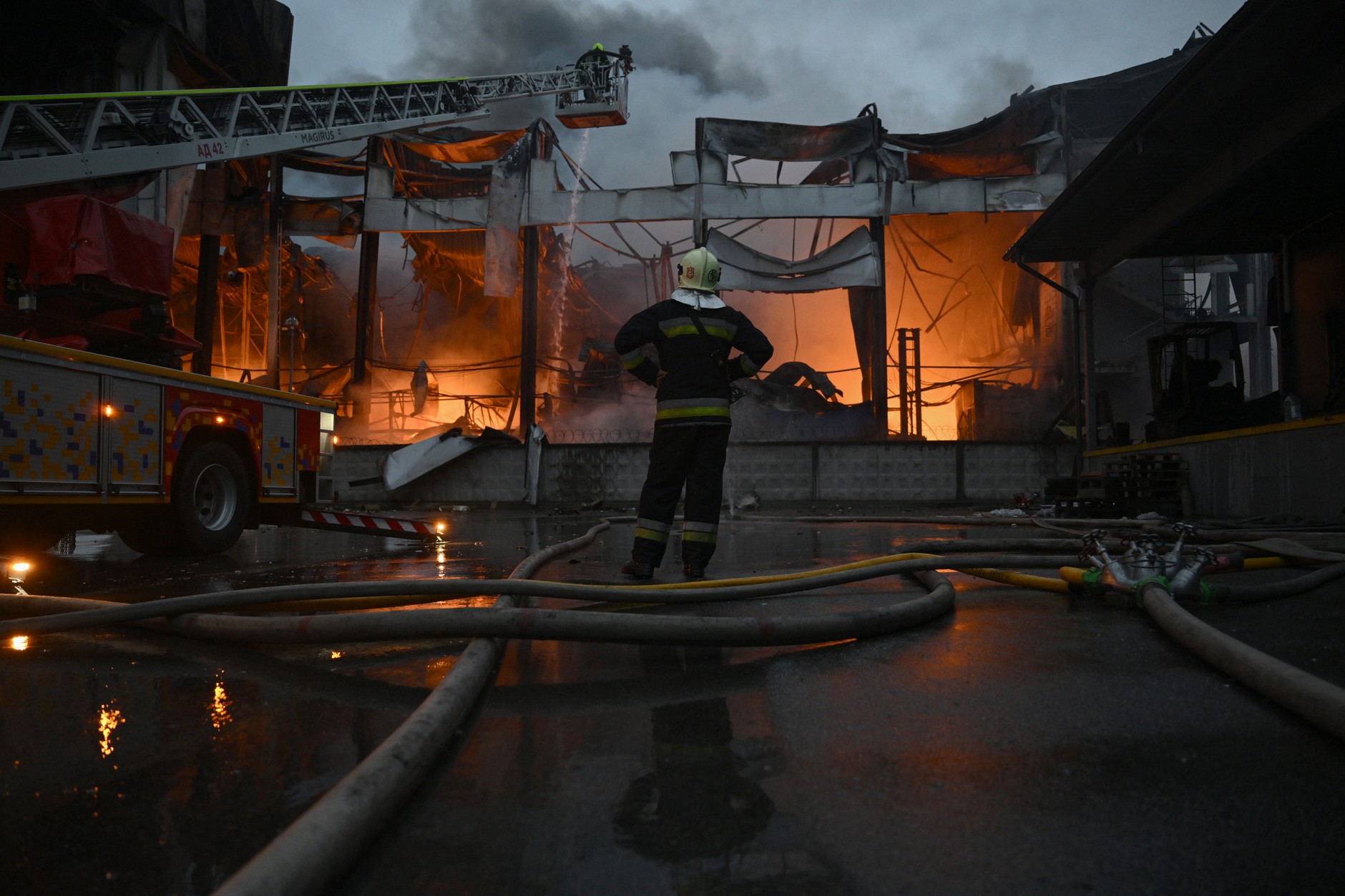
Fire after the Russian attack on Kyiv, October 25, 2025.GENYA SAVILOV / AFP
A difficult battle in the background
A former Ukrainian official, who was also granted the right to anonymity to discuss sensitive issues, says he expects Western financing and arms supplies to continue because Ukraine is “too big to fail”. However, Brussels will communicate its dissatisfaction very strongly behind the scenes and will link the funding of some future projects more closely to reforms.
The second problem concerns the battlefield, where Ukraine is under increasing pressure from Russian forces and is close to losing Pokrovsk. The city is an important logistics and transport center. They have been there for over a year fierce fighting.
The loss of Pokrovsk would be the beginning a new stage of the fighting for Donetsk and would give the Russians greater freedom of action in trying to seize a region they have not yet conquered. This would strengthen the position of Russian commanders who could threaten the strategically important cities of Kramatorsk and Slovyansk.
An additional cause for concern is the fact that in the Battle of Pokrovsk, Ukrainian commanders may have been tactically defeated, falling for Russian trick in August, when they were apparently fooled by a Russian offensive on the neighboring town of Dobropole.
Problems in the Ukrainian army
— The Russians distracted our generals with a breakthrough in the city of Dobropole, and then used it to break through in Pokrovsk, says Mariana Bezuhla, a parliamentarian who is a staunch critic of the commander of Ukrainian forces, General Oleksandr Syrski.
Bezuhla, former vice-chairwoman of the parliamentary committee on national security and defense, is not the only person who believes that Ukrainian commanders committed tactical mistakes in Pokrovsk.
Currently, there is a fear that the Russians will want to take advantage of the Ukrainian rear guard in Pokrovsk by organizing raids on the Dnipropetrovsk region in the south and Zaporozhye. — Despite the heroism and modernity of many people in the Ukrainian Armed Forces, the decision-making system of the Ukrainian army simply can't keep up and is manipulated within the framework established by the enemy, says Bezuhla.
The Battle of Pokrovsk once again highlighted the seriousness labor shortage in Ukraine. In some sections of the front line, Russia outnumbers them 10 to 1. In rural areas, this is not a major problem because drones and remote-controlled systems dominate the battlefield. However, when fighting in urban environments, as in Pokrovsk, the Russians have the advantage.
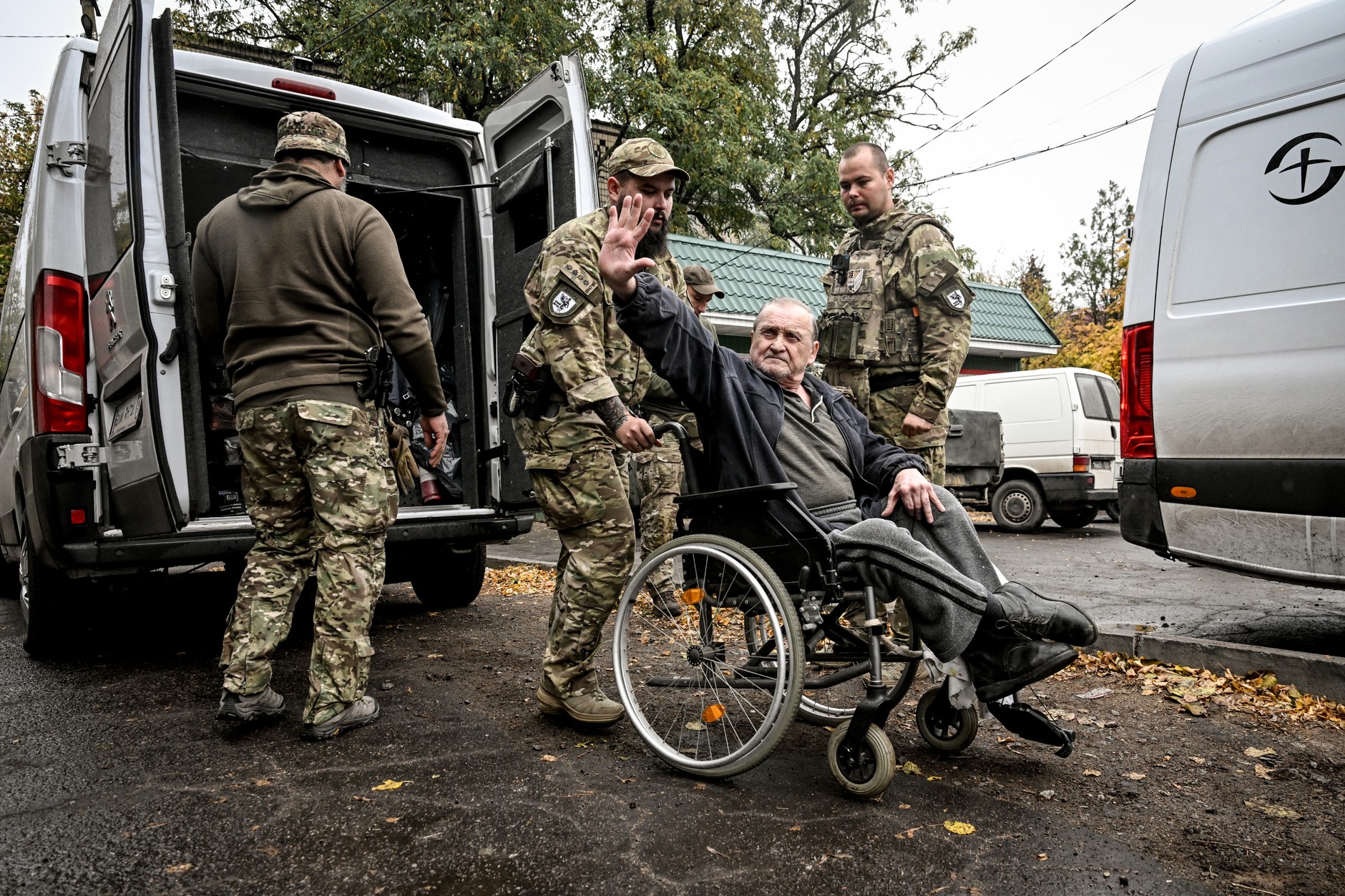
Evacuation of civilians from Pokrovsk, October 10, 2025.Dmytro Smolenko / AFP
In addition to funding and battlefield concerns, there is a third major winter challenge – energy war.
“General Frost”
In previous years, Ukrainians had focused on maintaining electricity supplies as Russian airstrikes continually destroyed the power grid, part of the Kremlin's strategy to use the “General Frost” strategy to exhaust Ukrainians' stubborn spirit of resistance. Thanks to Ukrainian improvisation and engineering ingenuity in repairing the damaged system, as well as energy imports from Europe, the lights mostly stayed on — although with supply interruptions and failures. The worst of them occurred in October 2022.
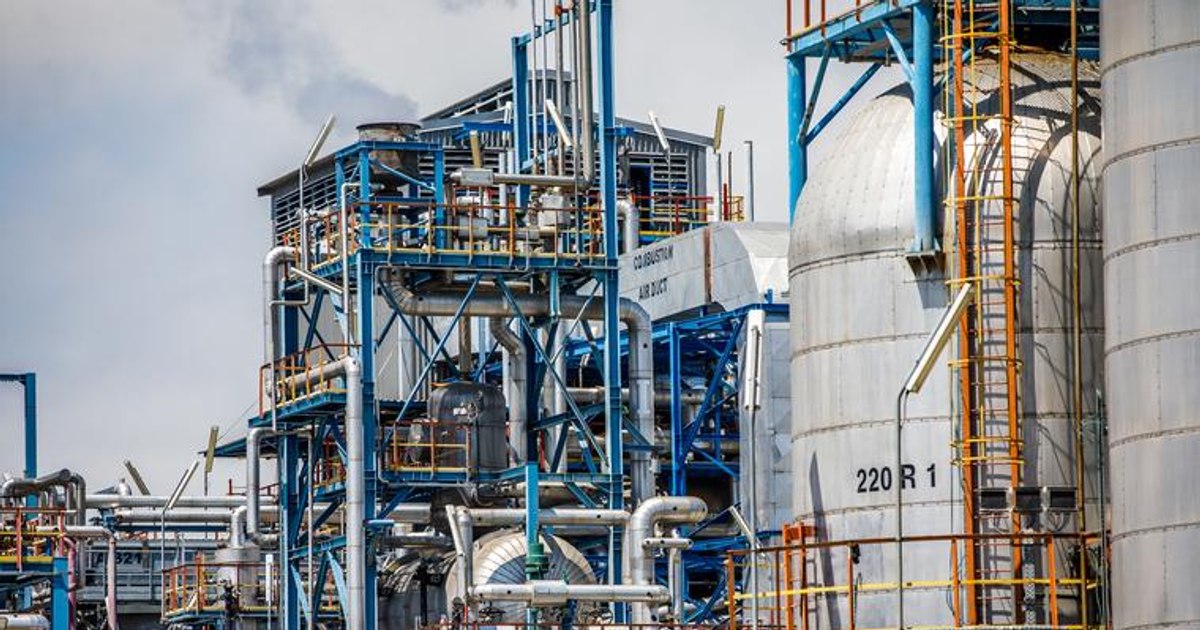
This time, however, the Russian attacks are on a much larger scale, and the Ukrainians do not have the air defense means to deal with them. Nor is it likely that they will receive it soon. Moreover, Russia changed its tactics, attacking not only the energy grid, but also Ukraine's gas infrastructure. 60 percent Ukrainians use natural gas to heat their homes.
In the winter that will begin in a month, Ukraine may lose a third of its natural gas production capacity, or even more. At the beginning of October, Bloomberg reported that 60 percent domestic production capacity remained immobilized by attacks to facilities in Poltava and Kharkov, the main gas production regions in Ukraine. Authorities subsequently claimed that repairs restored half of the lost capacity.
Since then, the attacks have intensified. Sergiy Korecki, president of the state-owned oil and gas company Naftogaz, called them “acts of terrorism.” In just one week in October, a series of three Russian attacks targeted gas production facilities in the Kharkov, Sumy and Chernihiv regions. The scale of the challenge was underlined over the weekend with another massive attack on Ukraine's energy and gas infrastructure that plunged much of the country into cold and darkness.
Former energy minister Olga Bohuslawec warned: “We already know that this winter will be much more difficult than all previous ones.”
This will indeed be a difficult winter for Ukraine. The most important question is whether the country will emerge in good enough shape to resist the unfavorable peace agreement forced upon it.