The government adopted the draft budget on September 26, assuming revenues of PLN 647.2 billion, expenses of PLN 918.9 billion and a deficit of PLN 271.7 billion. According to the regulations, the President of the NBP, on behalf of the Monetary Policy Council, submits an opinion on the project to the Council of Ministers and the Minister of Finance, but before sending it it must be agreed by the management board of the central bank. This stage became the cause of the conflict.
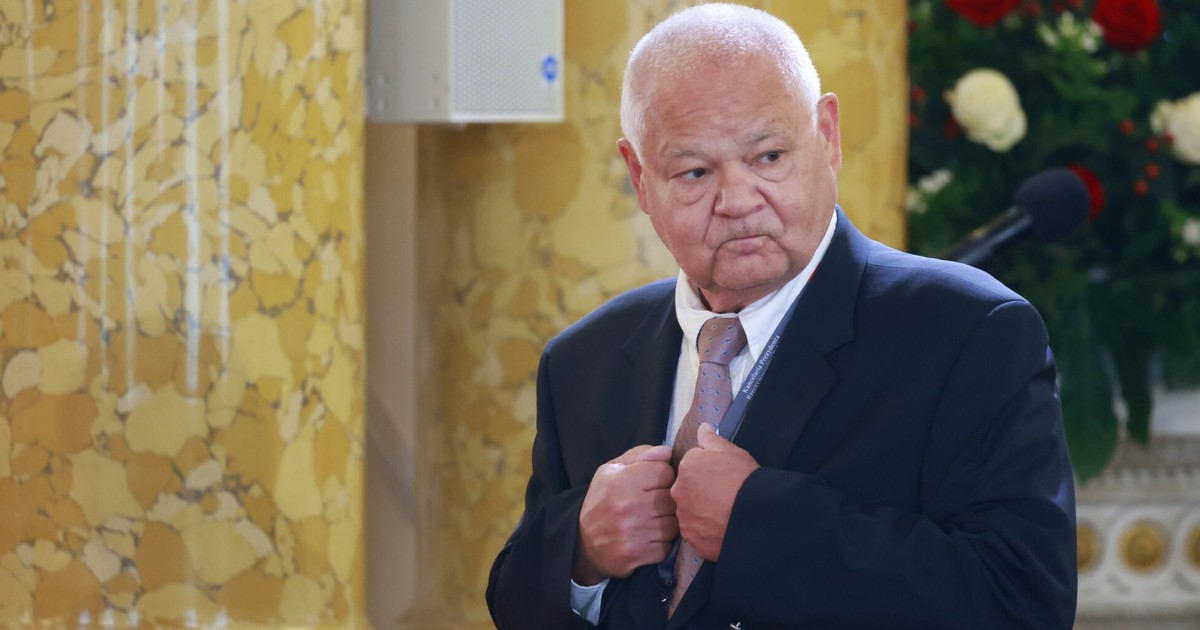
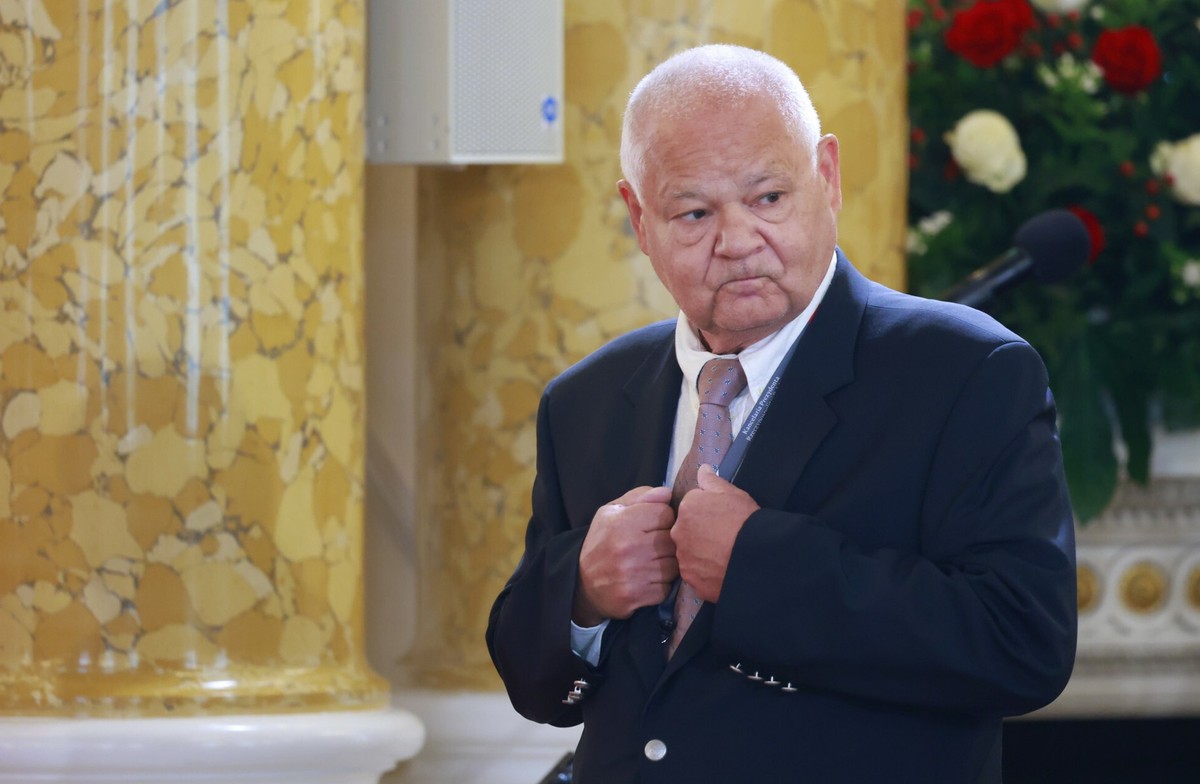
The first opinion meeting took place on October 23. Adam Glapiński then presented a project entitled “Opinion of the Monetary Policy Council on the draft Budget Act for 2026”. According to information from Radio Zet the content sparked a lively discussion. Some members of the management board believed that the document was too lenient towards the financial policy of Donald Tusk's government and demanded a stricter assessment. The bill was removed from the meeting.
The vote was canceled by the President of the National Bank of Poland
A day later, another version of the opinion appeared with cosmetic changes. Voting on it lasted until October 27 at 2 p.m., but it stopped just before it ended canceled by the president. A Radio Zet informant claims that Adam Glapiński was aware of the lack of a majority and decided to invalidate the procedure. The central bank did not officially comment on these reports.
The next part below the video:
The next board meeting was held on October 30. The same version of the document was brought to the table, still without the approval of all members. The president ordered a break until November 3. After amendments, the opinion was finally adopted by vote.
The changes concerned primarily the tone and emphasis in individual chapters. For example, the original title of chapter two, “The situation of the public finance sector in 2025”, was replaced by the phrase “Clear deterioration of the situation of the public finance sector in 2024–2025”. This treatment was intended to emphasize the difficult condition of state finances and increase criticism of the current government's fiscal policy.
The events described reveal tensions in the NBP management and the dynamics of forming the central bank's opinions on key issues for the state's economic policy. The cancellation of the vote, the return to work on an almost unchanged text, and the subsequent adoption of the opinion with modifications that strengthen the critical tone towards the government show how important it has become to resolve the dispute not only about the facts, but also about the language and assessment of fiscal risks.
As a result, the NBP provided an opinion which – according to the radio station's findings – emphasizes the deterioration of public finance indicators more strongly and argues to a greater extent with the assumptions of the 2026 budget.
For the market and economic policy observers, it will now be important to compare the final wording of the opinion with the original proposals and answer the question whether the adopted tone may affect the central bank's communication and the perception of its independence. For now, one thing is certain. The internal dispute within the NBP management board became apparent at a time when the stakes – the assessment of the budget and the credibility of fiscal policy – are exceptionally high.