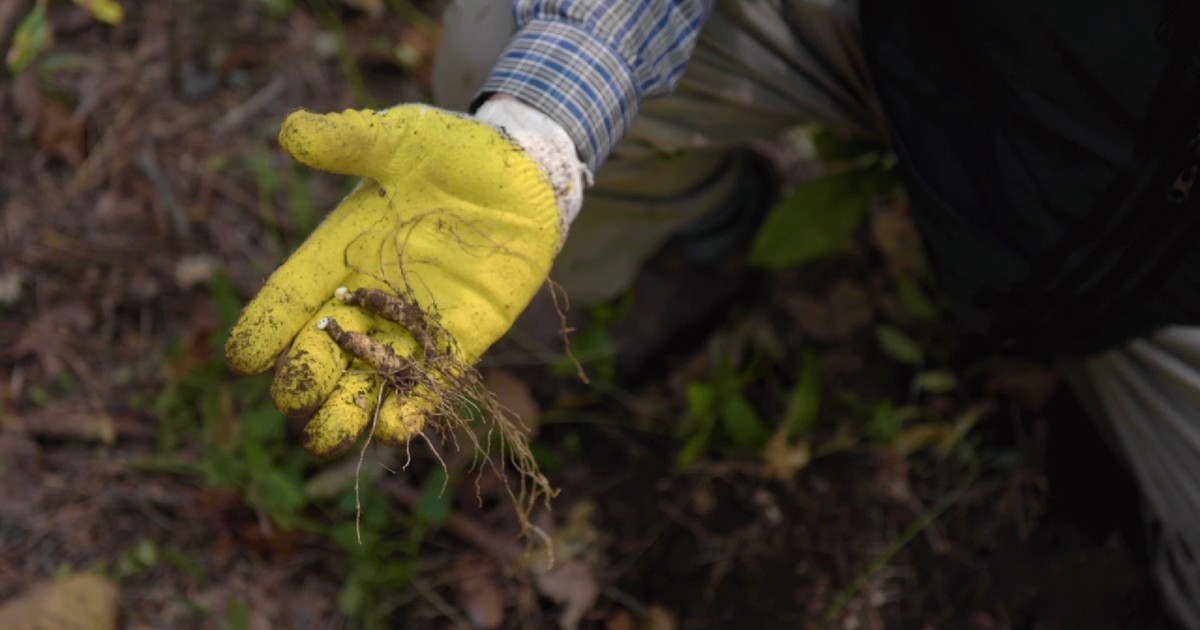
Hong Daesik stumbled upon something truly rare.
“A wonderful specimen,” enthuses Hong Daesik, a ginseng hunter.
It's a ginseng root that has grown in the wild and will sell for tens of thousands of dollars.
– How much is it? – asks the camera operator.
— Over 20 million won (about PLN 53,000) — replies Daesik.
Most other types of ginseng do not command such high prices. What makes this root so special?
Read also: The prince's dream melts in the sun. The world's largest construction project is stuck in the sand
Why is wild ginseng so expensive?
Ginseng is one of the most popular herbs in the world, but its price varies greatly. Found in South Korea, naturally growing ginseng root can cost thousands of dollars, with the exact price depending on its age. Meanwhile, 10 roots of farm-grown ginseng can cost only about $25 in South Korea. The third category falls in the middle.
It is called imitation wild ginseng and can cost anywhere from several hundred to several thousand dollars. For 28 years, Hong Daesik has been growing and harvesting imitation wild ginseng in the mountains around Suncheon, South Korea.
Wild ginseng once grew naturally here, but demand for the herb led to overharvesting, making it now extremely rare. So collectors switched to growing a similar but cheaper variety of imitation wild ginseng. To harvest the imitation wild ginseng, Daesik must plant the seeds.
However, growing this type of ginseng may not be worth the effort. 90 percent the imitation wild plants cultivated by Daesik will not survive.
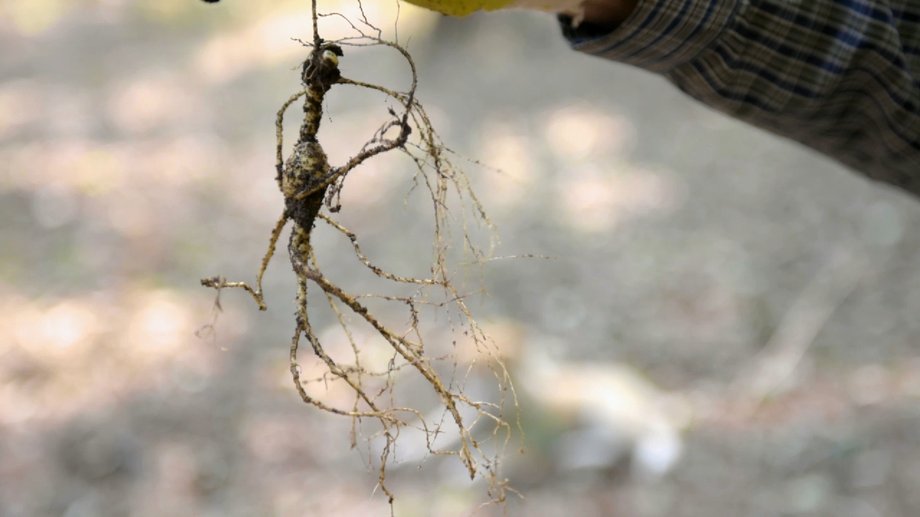
Found in South Korea, naturally growing ginseng root can cost thousands of dollars, and the exact price depends on its age
|
Business Insider
For 30 years I spread seeds and grew 100 plants and only 10 of them survived
– he admits.
This is partly because the plant needs a lot of shade and is sensitive to high temperatures, excessive humidity and disease. Ginseng grown in forests is also at risk of being eaten by hungry animals.
— Mountain moles and wild rats dig and eat ginseng. There are moles here too. See? This is their tunnel, the seeker shows.
Read also: This family business has survived 180 years. The secret to success lies in a simple recipe
What is it like to grow ginseng? The harvest takes place after eight years
After eight years, Daesik can start harvesting the ginseng he planted. Harvesting these roots requires special attention and caution. Daesik must dig up the root, being careful not to damage any part of it.
All roots must be preserved in their natural state. If even one of these small roots falls off, the whole plant will be unsellable. It's rare to get such high-quality ginseng
– says.
Roots growing in forests are often much smaller, knottier, and have more scars from growing. As with trees, these scars on ginseng can be used to determine its age. The more scars, the higher the price.
— Typically, imitation wild ginseng can be harvested after eight years. If the seller is honest, he can reach a price of PLN 100,000. won (approx. PLN 266). Roots harvested after 10 years can cost up to two or three times as much. 15-year-old ginseng costs PLN 150,000. won (approx. PLN 400), and a 20-year-old 200 thousand. won (approx. PLN 532) – says Daesik.
The most expensive roots are both old and naturally growing.
— Prices for naturally growing wild ginseng start at several dozen million won. A package with four roots costs about 100-200 million won (approx. PLN 267,000-534,000), says Hong Junghee, a ginseng seller.
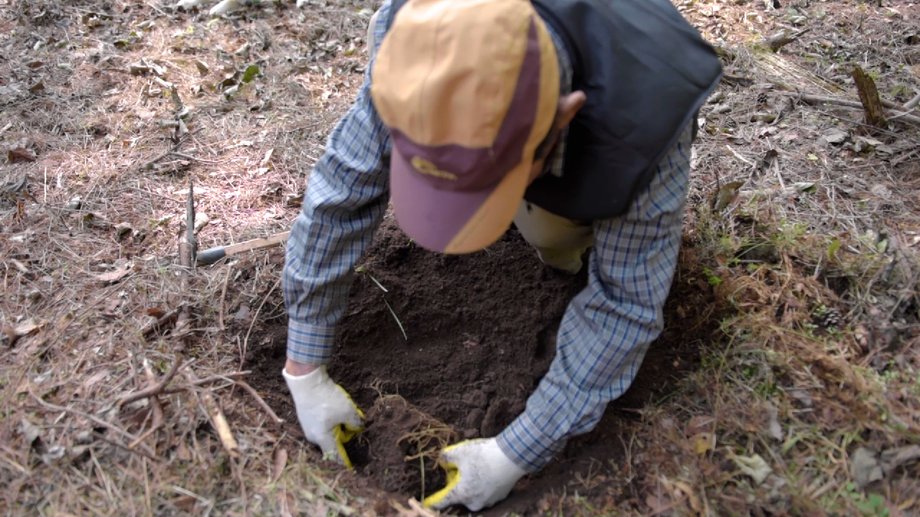
After eight years, Daesik can start harvesting the ginseng he planted
|
Business Insider
Why are older and wild ginseng roots so valuable?
Older roots are believed to have higher concentrations of ginsenosides, the bioactive components of ginseng that many believe have medicinal properties. The higher concentration of these compounds is supposed to make the root stronger.
However, not all properties of ginseng have been scientifically confirmed. Some studies suggest that ginseng has medicinal properties such as relieving pain and improving learning abilities, but other studies question its effectiveness.
This study suggests that “in improving physical performance, ginseng is no more effective than placebo“.
And this larger study suggests that “the clinical effectiveness of ginseng remains to be determined“.
Once harvested, ginseng deteriorates quickly at room temperature. Therefore, fresh roots are usually eaten immediately, brewed as tea or added to alcoholic beverages.
Due to its short shelf life, most ginseng products available in stores are sold in liquid, dried or powdered form.
Read also: The poor dig in the mud, the rich count their profits. Here, green is not only the color of hope
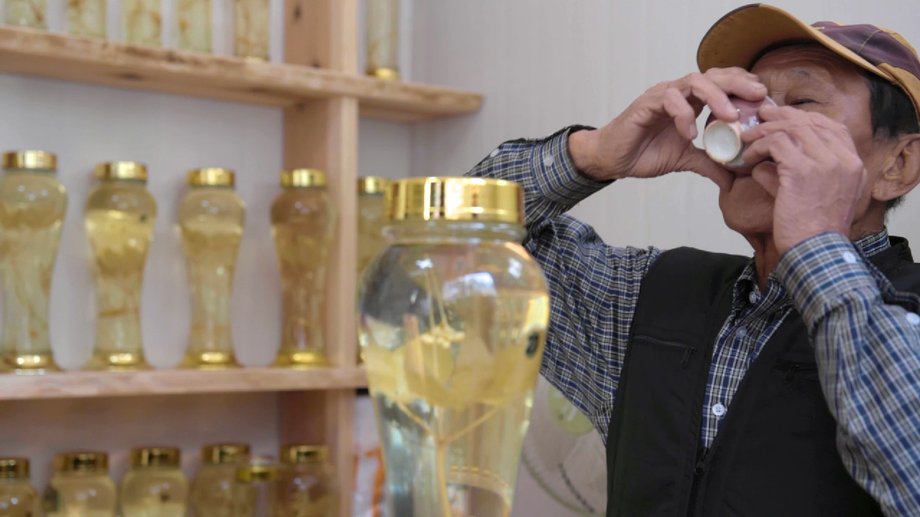
Most ginseng products available in stores are sold in liquid, dried or powdered form
|
Business Insider
Since 2011, imitation wild ginseng has been classified in South Korea as “special forest product“, and everything from cultivation to distribution is controlled by the Korean government. As with other quality certifications, imitation wild products in Korea must undergo inspections to guarantee their quality and authenticity. This helps ensure the high quality and sustainability of the product, while also giving ginseng collectors like Daesik the opportunity to profit from the crop.
As demand for alternative medicines and health foods increases, pressure on the supply of wild and imitation wild ginseng is also likely to increase. Therefore, creating a sustainable ginseng market is now more important than ever.