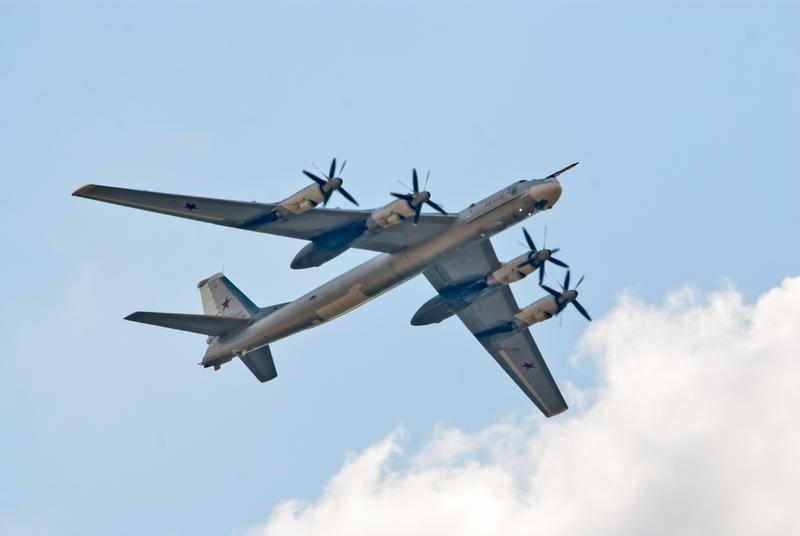
Russia is establishing reserve units to defend infrastructures attacked by Ukrainian drones


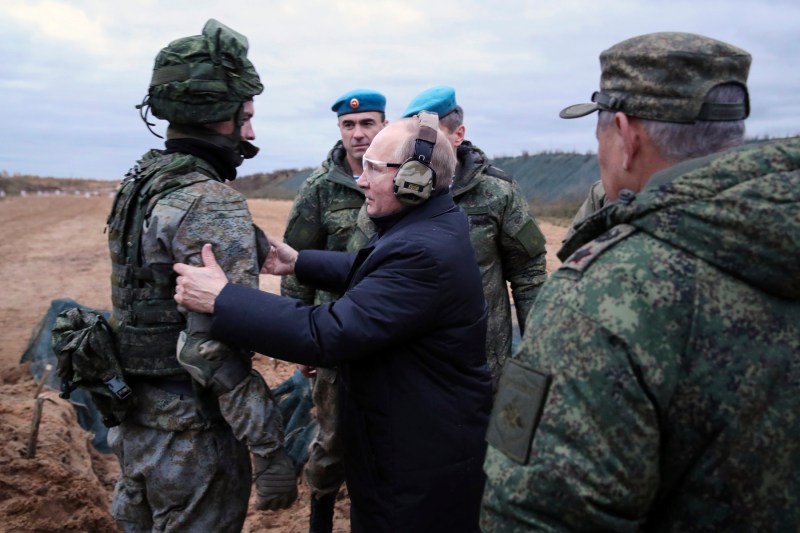
Russian President Vladimir Putin speaks with a soldier as he visits a Western Military District training center for reservists mobilized in Ryazan region, Russia, October 20, 2022. Photo credit: Mikhail Klimentyev/AP/Profimedia
The two chambers of the Russian parliament have approved a draft law on the creation of military units made up of reservists employed by contract and intended exclusively for the defense of Russia's critical infrastructures, threatened by Ukrainian drone attacks, a project that only needs President Vladimir Putin's promulgation to enter into force, but several Russian regions have already started creating such units, reports EFE on Monday, quoted by Agerpres.
Current legislation allows the use of contract reservist units only during periods of mobilization or wartime. The draft law adopted by the Russian parliament includes an amendment to the defense law, by virtue of which reservists who sign contracts with the Ministry of Defense will be able to be mobilized to perform missions of defense of critical infrastructures.
“It's not mobilization”
It is not about a mobilization, the deputy head of the Department of Organization and Mobilization within the General Staff of the Russian army, Vice-Admiral Vladimir Tsimlianski, wanted to clarify. “The draft law, developed at the initiative of the Ministry of Defense, does not concern all citizens and does not provide for their recruitment for military service, nor their deployment in the area of the special military operation (on the Ukrainian front) or outside the territory of the country,” explained the Russian military.
In September 2022, President Putin ordered the mobilization of around 300,000 reservists for the war in Ukraine, but since then he has not decreed any other mobilization, since that caused the exodus of hundreds of thousands of Russians who left their country for fear that they could be sent to the front. Putin has promised that he will not order any more mobilization, claiming that the number of those who volunteer to join the army would be sufficient.
Ukraine regularly resorts to drone attacks on strategic Russian targets, such as refineries, fuel tanks, ammunition depots or military airfields, in an asymmetric warfare tactic designed to disrupt Russian military logistics.
 Airstrikes in waves over Moscow and other regions, airports across Russia closed / Refinery and chemical plant also targeted
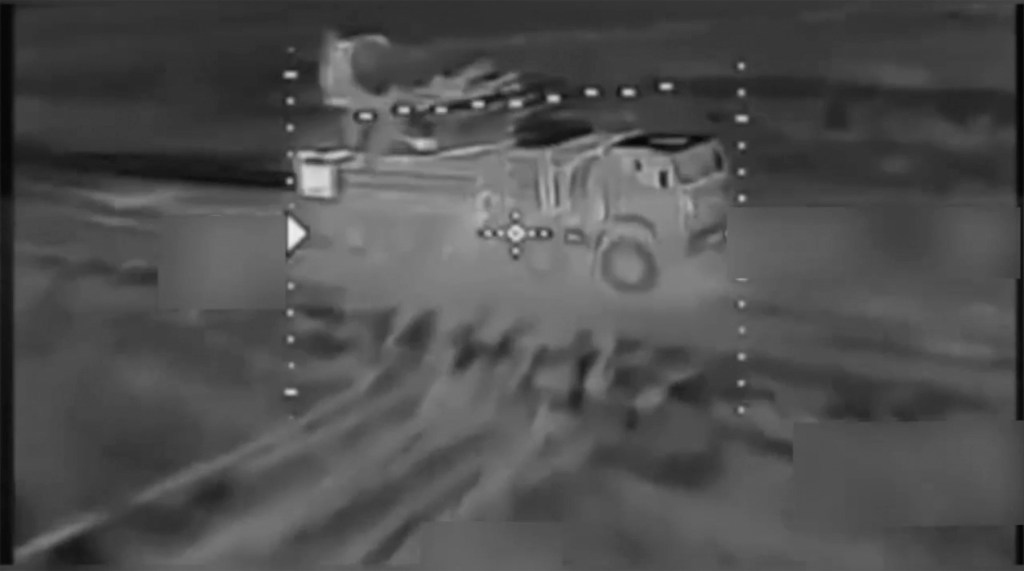 How Ukraine managed to deal a strategic blow to Russia: It destroyed almost half of the anti-aircraft systems that proved to be the most effective in the war
Units, already established in several regions
Although Putin has not yet promulgated the legislative amendment, Russia's Tatarstan, Samara, Nizhny Novgorod, Yaroslavl and Tambov regions have already begun creating the first contract reservist units to participate in critical infrastructure defense missions.
The Tatarstan region, for example, will pay reservists a monthly salary of 78,000 rubles ($763), on top of the 30,000-40,000 rubles ($370-493) offered by the Ministry of Defense, and the contract guarantees they will not participate in the war in Ukraine and their mission will be limited to protecting local facilities.
After a military training program, reservists will perform missions to protect infrastructures for 45 days, after which they will be rotated. They could be equipped with light weapons and man-portable anti-aircraft missiles, or operate more complex anti-drone systems such as anti-aircraft or electronic warfare systems.