VIDEO Pharaonic show in Cairo, at the inauguration of “the largest museum in the world dedicated to a single civilization”. “Living testimony to the genius of the Egyptian people”

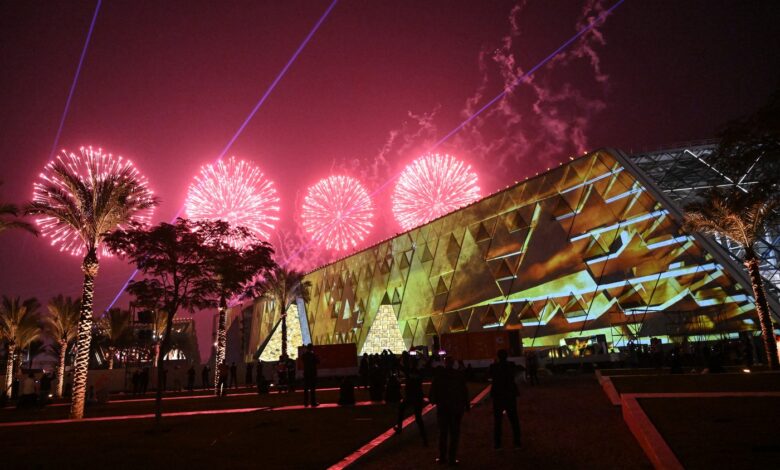
A pharaonic show marked the official inauguration of the Great Egyptian Museum in Cairo on Saturday evening, reports AFP.
“We are writing a new chapter of the history of the present and the future, in the name of this ancient homeland,” declared President Abdel Fattah al-Sisi, welcoming “the world's largest museum dedicated to a single civilization” in front of an audience of kings, heads of state and international leaders, writes Agerpres
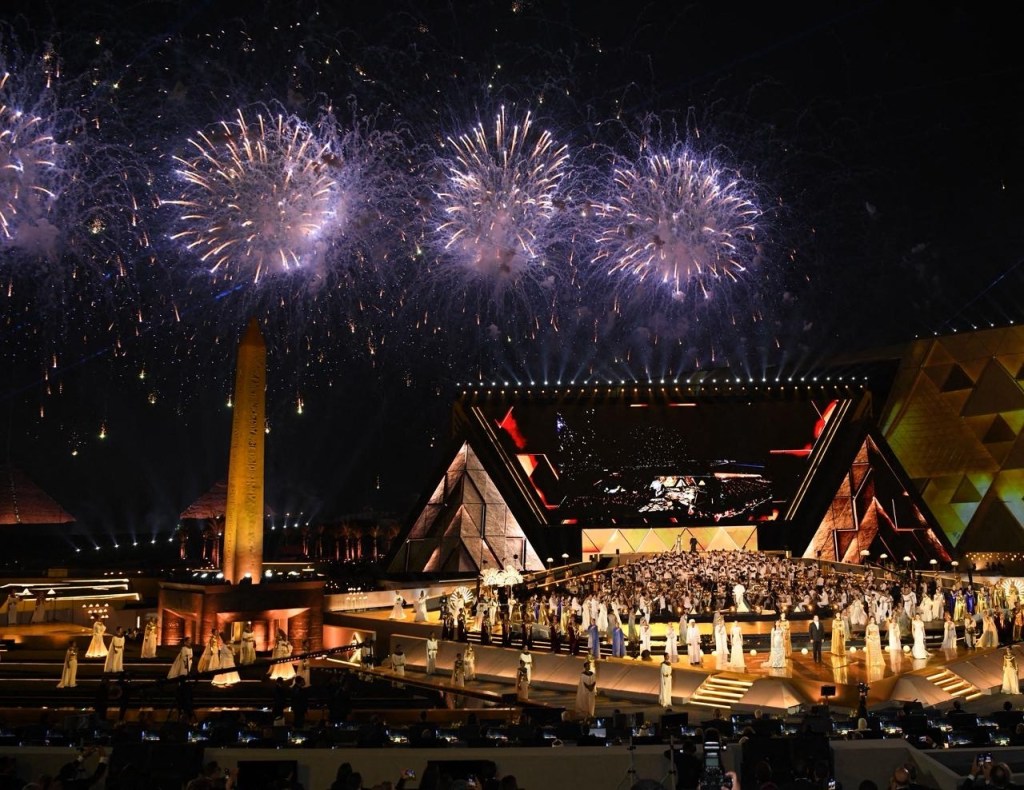
“It's a living testament to the genius of the Egyptian people,” he added in the stone and glass building's grand square, overlooking the Giza pyramids bathed in golden light.
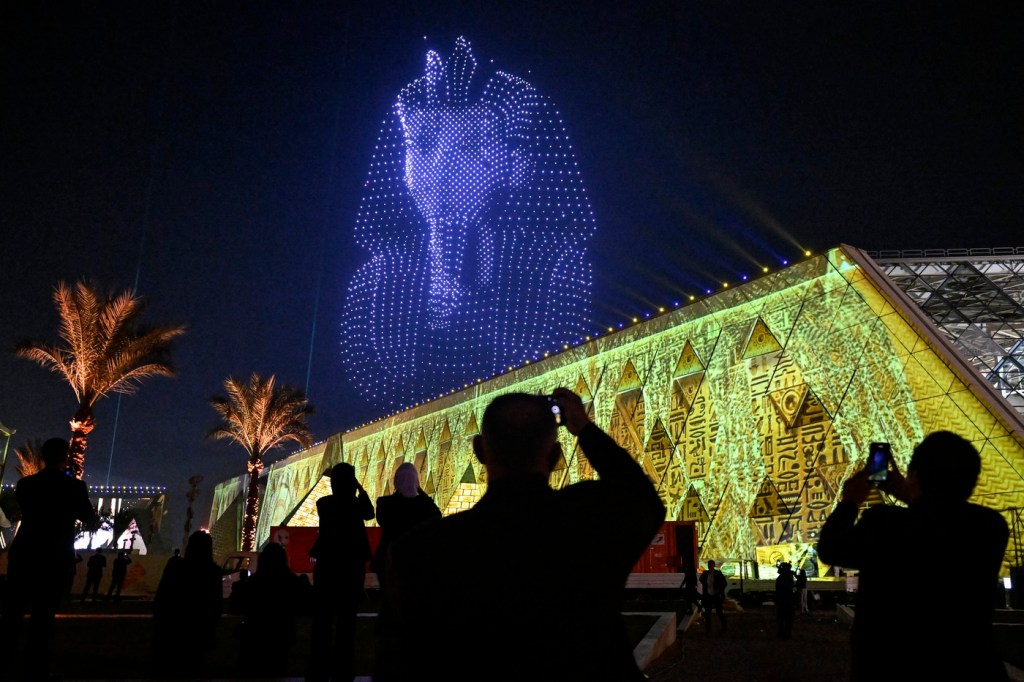
As guests arrived, drones projected a message above the three pyramids and the Sphinx, wishing them “welcome to the land of peace” in English.
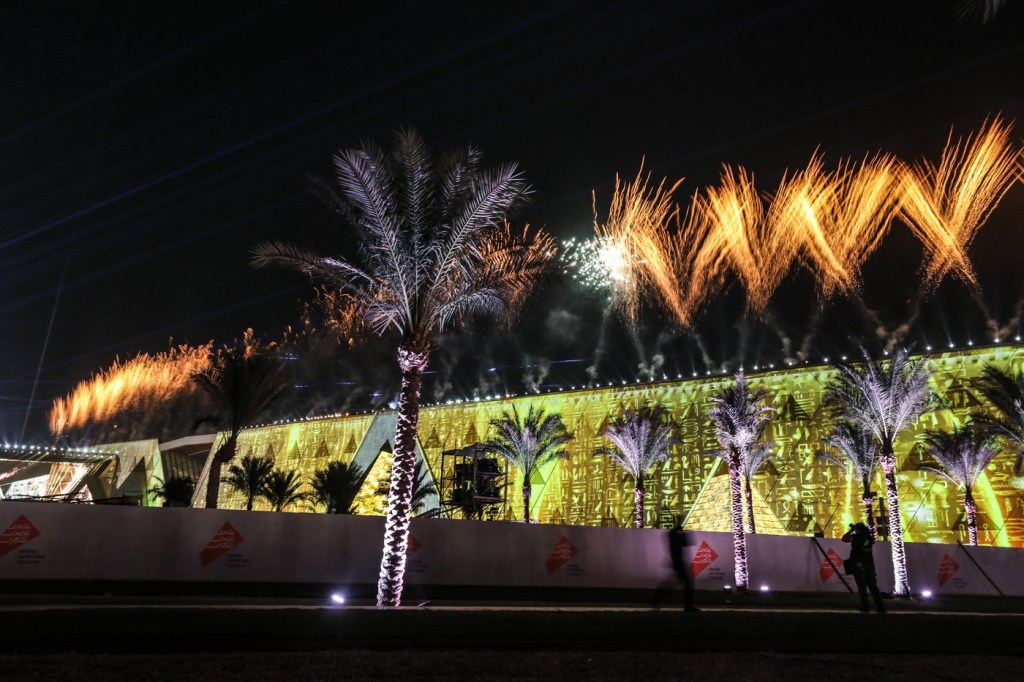
Spectacular ballet and opera scenes followed, with dozens of performers and extras in ancient-inspired costumes, and then a fireworks display lit up the sky.
“We all imagined and dreamed of this project, we wondered if it would come to fruition, if we would all see it realized,” Prime Minister Mostafa Madbouly recalled in a press conference.
20 years of work and over a billion dollars
The construction of the museum on an area of 500,000 square meters, with financial and technical support from Japan, cost more than one billion dollars and required 20 years of monumental work.
The project “dates back about 30 years, and after a period of suspension due to the circumstances Egypt faced since 2011, most of the process (…) took place in the last seven to eight years,” noted the Egyptian prime minister.
The main attraction
The main attraction is Tutankhamun's treasure, discovered in 1922 in an untouched tomb in the Valley of the Kings, Upper Egypt, with nearly 5,000 grave goods brought together for the first time in one place.
In total, the museum, the Grand Egyptian Museum (GEM), houses more than 100,000 artifacts, half of which will be on display, bequeathed by the 30 dynasties that shaped ancient Egypt over 5,000 years of history.
When it opens to the public on Tuesday, visitors will be greeted in the vast atrium by the colossal statue of Ramses II – 83 tons of granite, 11 meters high – bequeathed by this conquering and building pharaoh who ruled more than 3,000 years ago.
Immersive galleries at the Great Egyptian Museum
Unlike the colonial-era Egyptian Museum in downtown Cairo, now outdated and dilapidated, the Grand Egyptian Museum offers immersive galleries, precision lighting, virtual reality exhibits, and even a children's museum.
Archeology enthusiasts can watch, through a glass window, the work of the conservation laboratory restoring a 4,500-year-old solar boat discovered buried near the Pyramid of Cheops.
“Egypt will become the center of Egyptology… it is unacceptable that most international conferences take place outside the country,” Tourism Minister Sherif Fathi remarked during a press conference.
Hopes for tourism
Egypt's tourism sector, a vital source of foreign currency and jobs, has been hit repeatedly over the past decade and a half, from the 2011 uprising to the waves of unrest and sporadic terrorist attacks that followed.
Tourism has shown signs of recovery in recent years, with 15 million visitors expected to Egypt in the first nine months of 2025, generating $12.5 billion, a 21 percent increase over the previous year.
The tourism minister expressed hope that the museum would increase its number of visitors from “5,000 to 6,000 a day” to 15,000.
He predicted an annual surplus of “five million” tourists, “the majority of whom will visit the museum”.
The government is currently working on finalizing a “comprehensive plan” of development for northeast Cairo, stretching from the new Sphinx International Airport to the Saqqara pyramids, including hotels, restaurants and shopping malls, said Fathi, who declined to comment on the cost of the ceremony.