Anti-vaxxers among pet owners. In the USA they do not want to vaccinate even against rabies

2025-11-01 10:00
publication
2025-11-01 10:00
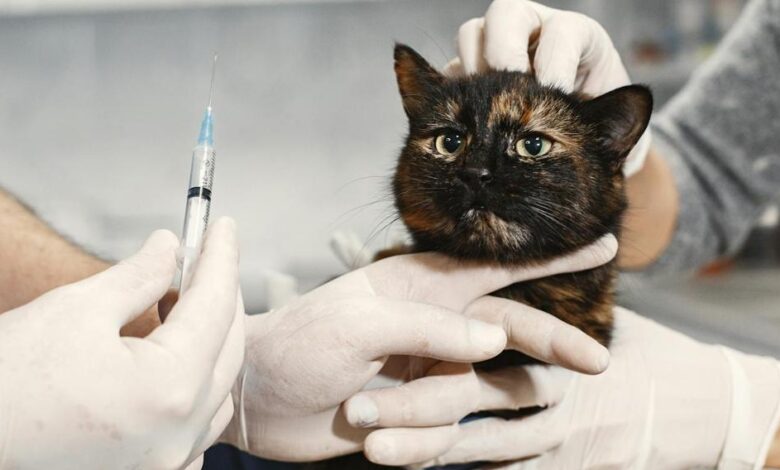
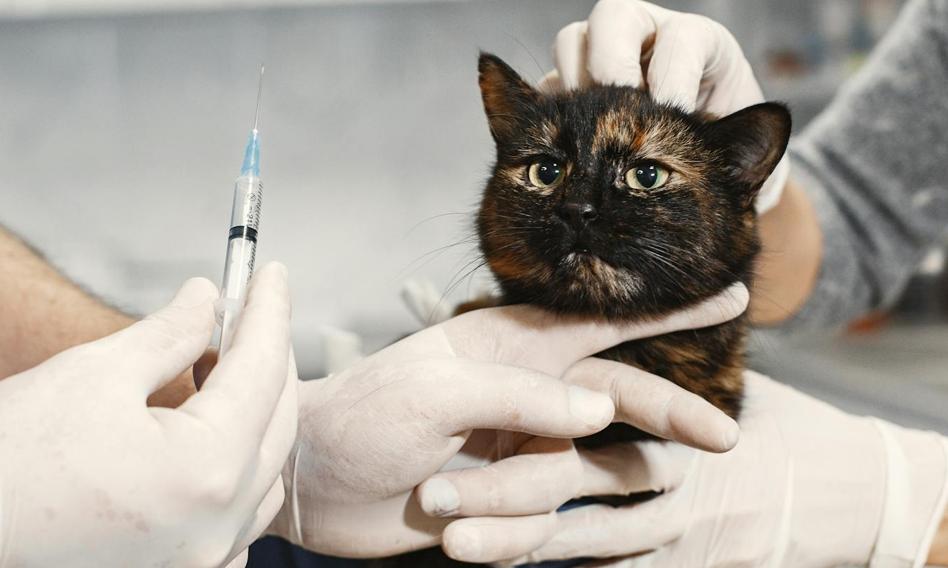
Anti-vaccine sentiments are increasingly common among pet owners, the New York Times noted on Monday. Some people do not want to vaccinate their pets even against diseases such as rabies.
Over the past few years, the anti-vaccination movement has gained popularity in the United States. As the newspaper noted, this was partly due to the politicization of the issue of COVID-19 vaccines and the growing position of vaccination critics, such as current Health Secretary Robert F. Kennedy Jr. Vaccination rates have dropped across the country, and once-conquered diseases such as measles have resurfaced.
Increasing anti-vaccination sentiment is also observed among pet owners. Experts fear that this may lead to looser regulations on animal vaccinations, a decline in vaccination rates and the emergence of infectious diseases that are dangerous to both animals and humans. In the US, vaccination laws vary from state to state. In some places, it is mandatory to vaccinate dogs against rabies.
Pet owners express concerns that pets receive too many vaccines they believe that it is better to obtain immunity from the disease itself than from a vaccineand express concerns that vaccines may lead to cognitive and behavioral changes in their pets.
According to experts, pet owners who are reluctant to vaccinate overestimate the risk of vaccination and underestimate the risk of infectious diseases. The Journal wrote that the challenge facing veterinarians partly reflects the problem faced by pediatricians: Vaccinations have proven so effective that many pet owners do not consider diseases such as rabies or parvovirus to be a serious threat.
The newspaper also reported that there is no centralized database for pet vaccinations in the United States, so it is unknown whether the rate has declined in recent years.
From Washington Natalia Dziurdzińska (PAP)
Sun/ penalties/