An archipelago with fewer people than Steaua Stadium has an ambitious plan to connect its islands through underwater tunnels

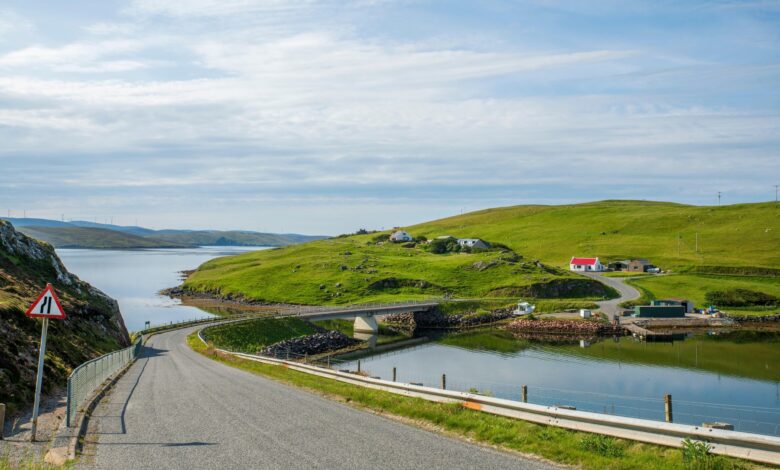
Almost 170 kilometers north of Scotland, on the border between the Atlantic Ocean and the North Sea, a small archipelago dreams of a complex system of underwater road tunnels to boost its industrial activity and links to the UK's only spaceport. As an example, the Shetland Islands look to the Faroe Islands, a small island nation that has managed to build impressive tunnels under its weather-beaten fjords.
The Shetland Islands, the UK's most northerly territory, are home to just over 23,000 people. For comparison, the Steaua Stadium in Bucharest can hold almost 30,000 people.
However, the archipelago of nearly 100 islands, located at the confluence of the North Sea and the Atlantic Ocean, boasts Britain's only spaceport and a thriving fishing industry, but is looking for ways to boost its infrastructure links, the BBC writes.
Shetland wants to scrap its aging ferries and replace them with undersea tunnels to connect five major islands, including Unst, the northernmost of the British Isles.
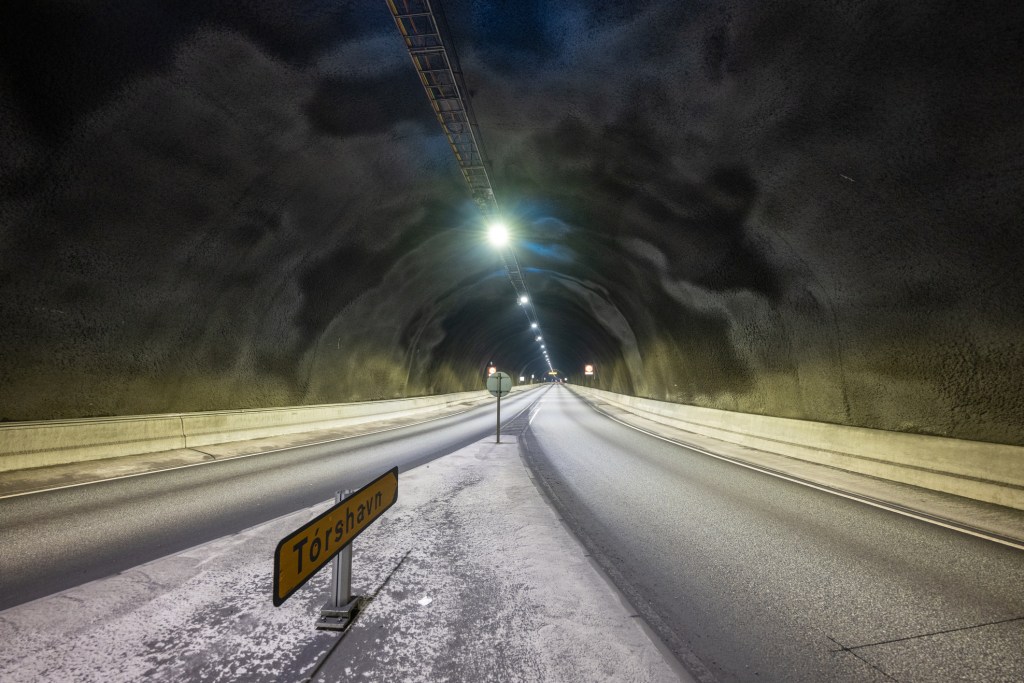
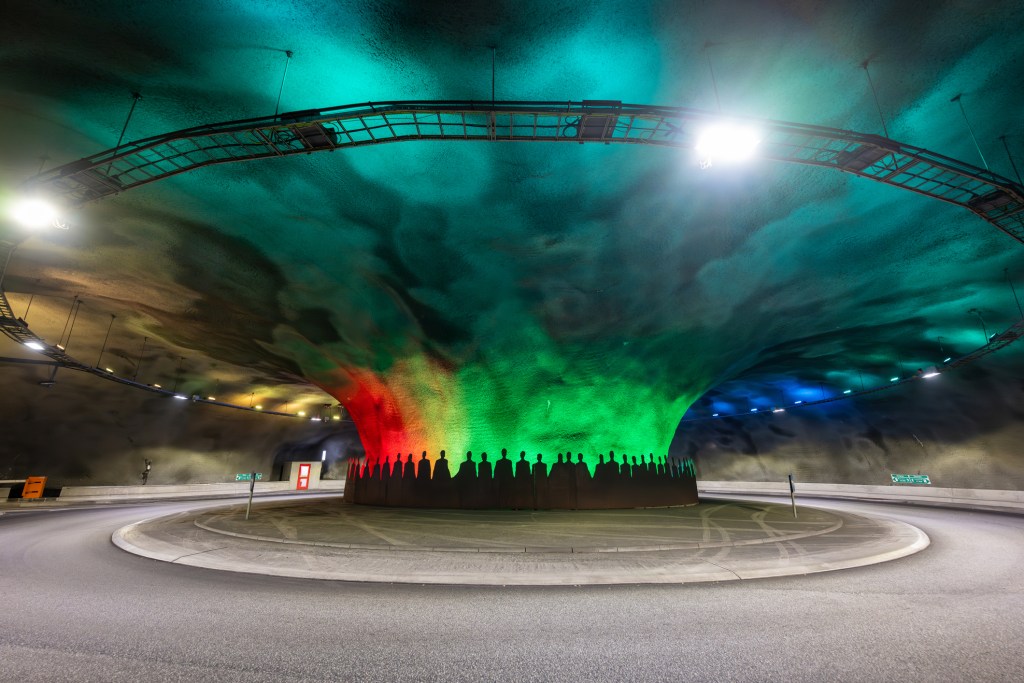
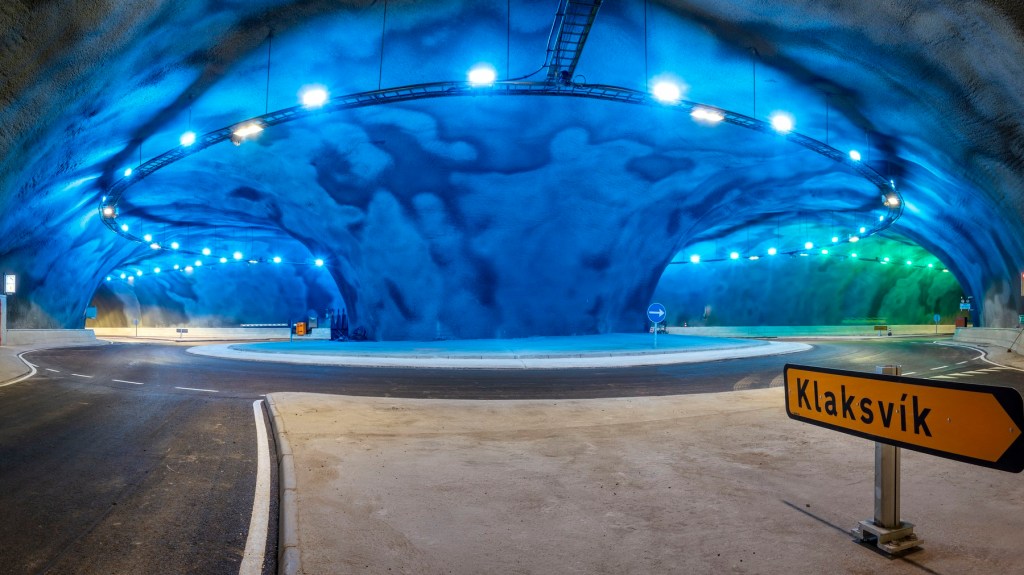
As a model, Shetlanders look to the Faroe Islands, where authorities in Torshavn have spent 20 years developing a network of impressive underwater tunnels, culminating in the world's first and only undersea roundabout.
“More fish than all England”
Shetland's main town, Lerwick, may be closer to Tórshavn in the Faroe Islands than Edinburgh in Scotland – and closer to Copenhagen than London – but supporters of the tunnel plan insist the islands are not an isolated area but an advanced economy that is limited by poor infrastructure.
“Shetland has more fish than the whole of England, Northern Ireland and Wales. The tunnels could bring about an incredible transformation,” says Emma Macdonald, leader of the City Council, quoted by the BBC.
The Shetland archipelago is known for its key industries: fishing and aquaculture facilities (especially salmon), as well as wind power generation – the island is home to one of the most productive onshore wind farms in the UK.
The island chain produces a quarter of all Scottish salmon – Britain's most valuable food export, with international sales of £844m in 2024.
With fixed road links, the transport of goods, heavy equipment and labor between the main island and the outlying islands becomes much faster, safer and less dependent on weather conditions, given that ferries are often stranded ashore due to bad weather.
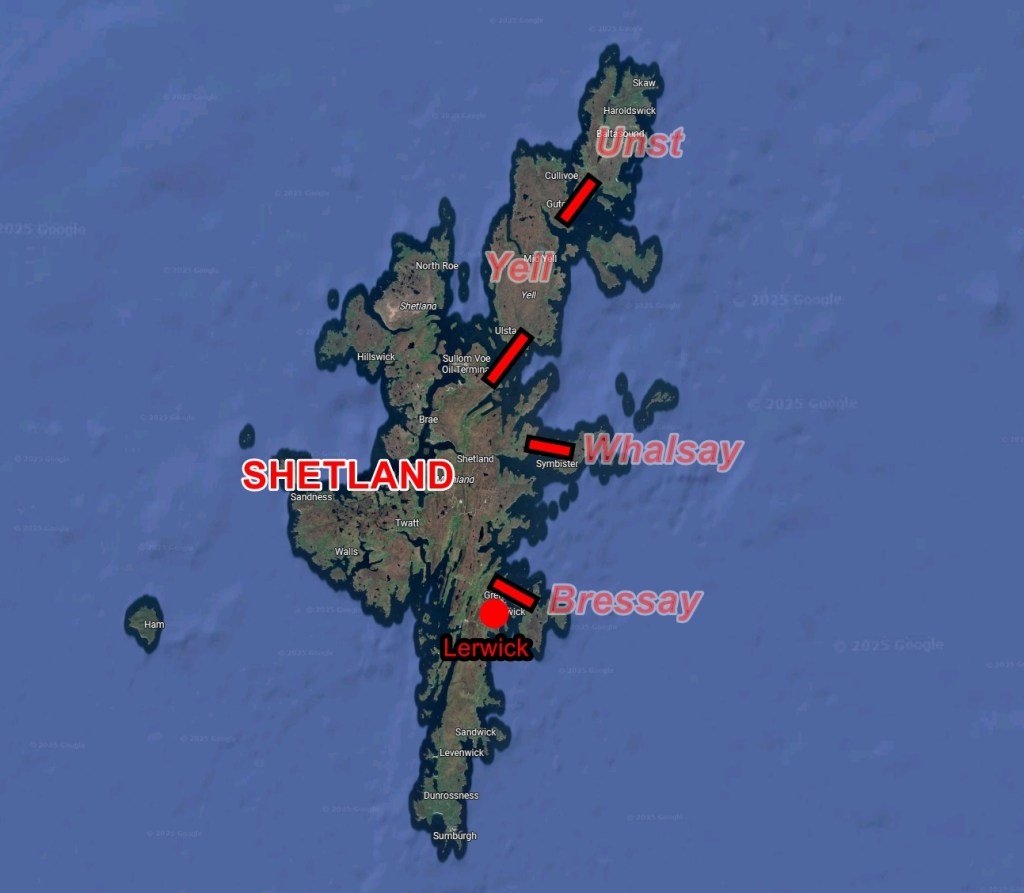
Underwater tunnels to connect the largest of the islands
The plan is to create a network of underwater tunnels to connect the main island with four of the neighboring islands: Yell, Unst, Bressay and Whalsay. According to the BBC, the City Council approved a feasibility study worth around £990,000 to explore the viability of these “fixed-links” between the islands.
Although a total cost or exact timetable has not yet been announced, a preliminary study recommends that the implementation period be between 7 and 10 years for the first tunnel, starting in 2025. The local council emphasized that an important part of the financing could come from a system of charging (“tolls”) for vehicles using the tunnels, following the model adopted by Faroe.
However, the creation of a network of underwater tunnels in an archipelago like Shetland involves a series of challenges that could block the implementation of the project at any time.
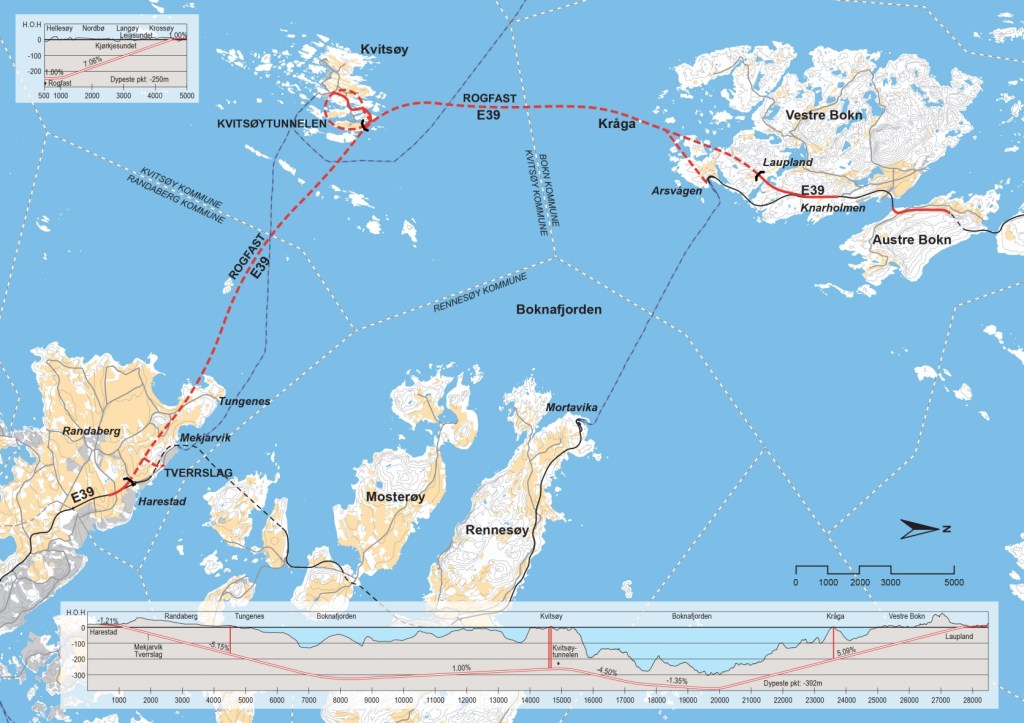 VIDEO The longest and deepest road tunnel in the world is now under construction. A project of over two billion euros
First of all, we are talking about a complex construction project because the geology and depth of the sea in the archipelago area is not very permissive.
The tunnels will have to cross the seabed and potentially unstable rock areas. Currently, for the route thought of as a test, which would connect the island of Yell with the main island, a tunnel of about 6 km in length with a depth of up to 40 m below sea level is estimated, writes geplus.co.uk.
Then there are the severe weather and sea conditions to consider. The Shetland archipelago is exposed to storms, large waves and strong winds – which complicates construction work, transport of materials and access to equipment. At the same time, the existing infrastructure is not suitable for large material and equipment transport operations.
Where will the money come from?
But perhaps the biggest hurdle is funding. Such an ambitious project requires a huge budget, spread over many years, difficult for small communities to support. For example, for the tunnel network in the Faroes, the authorities in Torshavn spent more than 200 million dollars, a sum that seems small, but compared to the GDP of the small island nation, it was 8% of the GDP.
The Faroese model involved loan financing, and then repayment of the amounts through tolls for the use of tunnels by vehicles and transport.
“If it could be done in the Faroe Islands, it can certainly be done here,” says one of the local councilors in Lerwick.
“The tunnels would really open up this island for business,” says Elizabeth Johnson, external relations manager of SaxaVord Spaceport in Unst, who believes the tunnels “would increase the economic viability of the island.”
“I think people recognize that charging is probably needed and I think people understand that. They already have to pay to travel on the ferry anyway,” said Emma Macdonald, leader of the City Council.
The City Council currently operates ferry services to nine islands, carrying around 750,000 passengers each year on 12 vessels at a cost of £23 million a year. The average age of the fleet is 31.5 years, costs have risen significantly over the past decade and some routes are struggling to meet the demand for vehicle spaces.
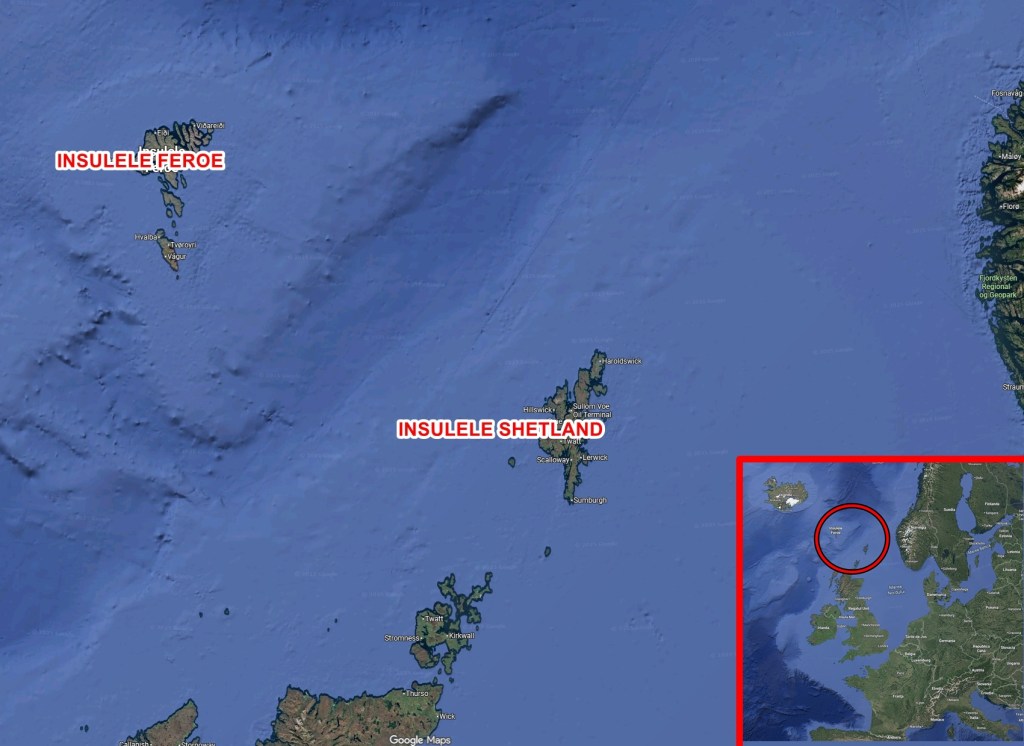
The example of the Faroe Islands
Support for Shetland's plan comes from the very place where there is already a success story.
The Faroe Islands, an archipelago of 18 mountainous islands with deep fjords and predominantly granite terrain, has managed something seemingly impossible for its size: to develop a network of underwater road tunnels to connect its main islands and towns. It all culminated in the world's first undersea roundabout, at the intersection of three tunnels that reach up to 189 meters below sea level.
 VIDEO How a nation that fits entirely in the National Arena managed to realize one of the most ambitious road projects in the world: a network of tunnels that meet in a roundabout under the sea
Faroese Prime Minister Aksel Johannesen says the Shetland Islands have every opportunity to follow his country's example to boost economic growth and revitalize island life. The 18 islands of the Faroe Islands, which make up the self-governing nation under the sovereignty of Denmark, are now connected by 23 tunnels, four of which pass under the sea, and further tunnels are under construction further afield.
The most spectacular is a tunnel over 11 kilometers long that connects the island of Streymoy to the two sides of a fjord on the island of Eysturoy and which includes the only underwater roundabout in the world. At its deepest point, the tunnel is 189 meters below the waves and has halved the travel time between the capital Tórshavn and the second largest city, Klaksvik.
“I think in the Faroe Islands we learned that infrastructure investment is good investment,” Johannesen told the BBC.