The agreement between Donald Trump and Xi Jinping is more of a pause than a breakthrough. Until the West becomes independent from Chinese raw materials, Beijing will deal the cards [OPINIA]
The outcome of the talks between US President Donald Trump and Chinese leader Xi Jinping during the South Korea summit is too small and too unclear to lead to a real easing of the trade dispute. But at least the world's two most powerful men have signaled they are seeking de-escalation. Therefore, the world could breathe a sigh of relief.
The alternative scenario was to plunge into a full-scale trade war between two superpowers with enormous destructive potential for the global economy.
Since both governments do not want to let this happen, they made some concessions during the meeting. The People's Republic of China is waiving – for now for a year – drastic export restrictions on strategically important rare earth metals. In turn, Trump will reduce his huge tariffs on Chinese goods. Additionally, strict U.S. regulations that prevent technology transfer to China may be relaxed somewhat.
The latter is of great importance to Xi. After all, his country wants to become the world's leading technological power within a few years. In particular, in the field of artificial intelligence, China would like to cooperate with the United States, which is already more advanced in this area. However, it is questionable whether this would be beneficial to the US economy. In recent years, Western companies have realized that China only benefits from its technological know-how, but is not interested in lasting, equal partnership.
The article continues below the video
The Chinese authorities understand very well how to apply pressure — even at Donald Trump. The Asian empire has an almost monopoly on the production of rare earth metals. These metals are used in small quantities in cars, smartphones and computers. They are also needed to produce weapons, aircraft and batteries.
Through strategic foresight, the People's Republic of China has secured mining rights in many countries over the decades and holds patents for the production of rare earth metals. It is true that these desirable raw materials are not rare around the world. Deposits also occur in Europe, Australia and America. They are even available in Germany, but they are not mined there because these processes are expensive and harmful to the environment.
China's ace in the hole
Complete dependence on China for essential rare earth elements was one of the most serious geostrategic mistakesthat the West must admit today. Thanks to this ace in the hole, the Chinese could counter Trump's aggressive tariff policy with equally drastic measures.
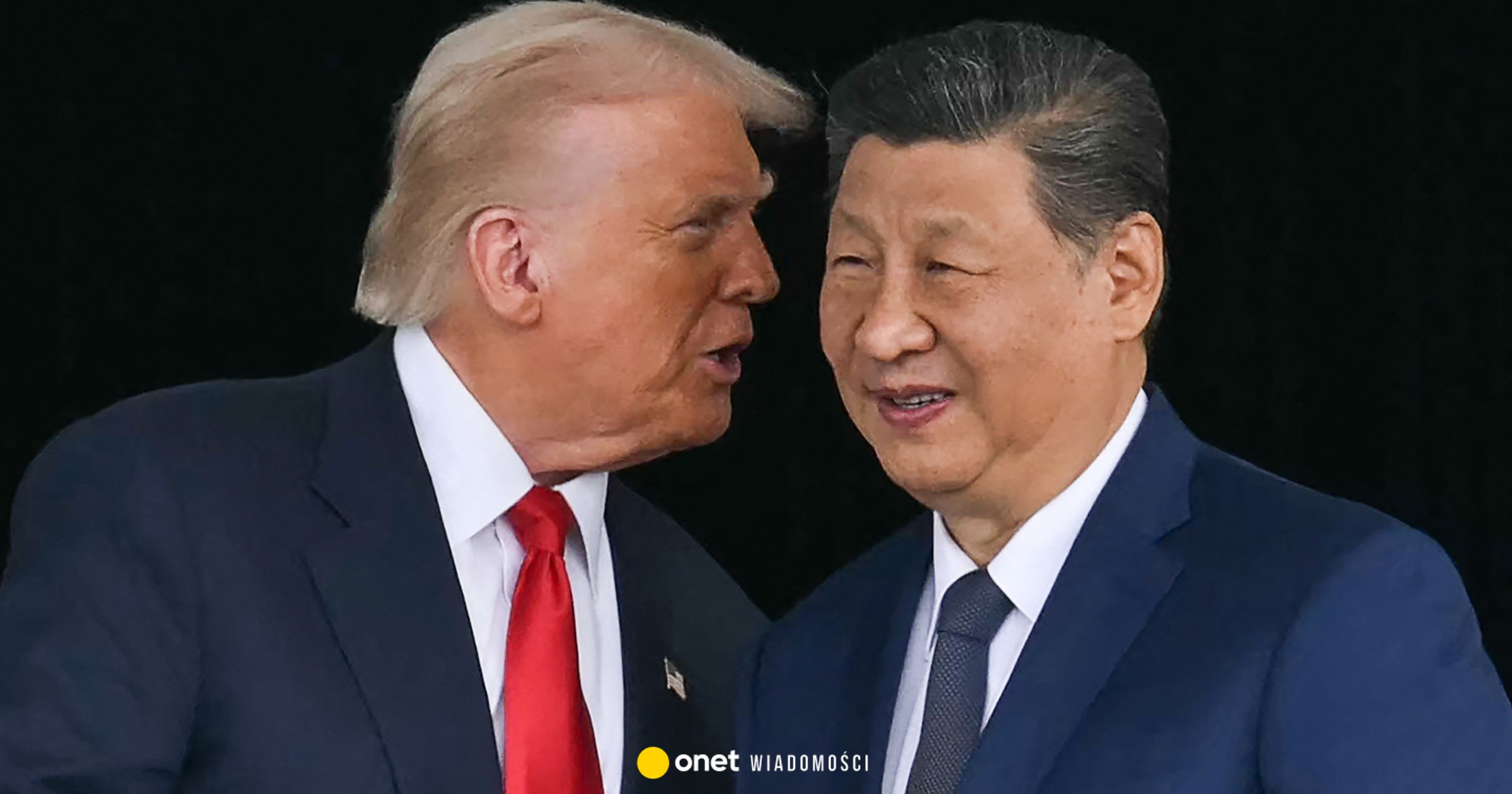
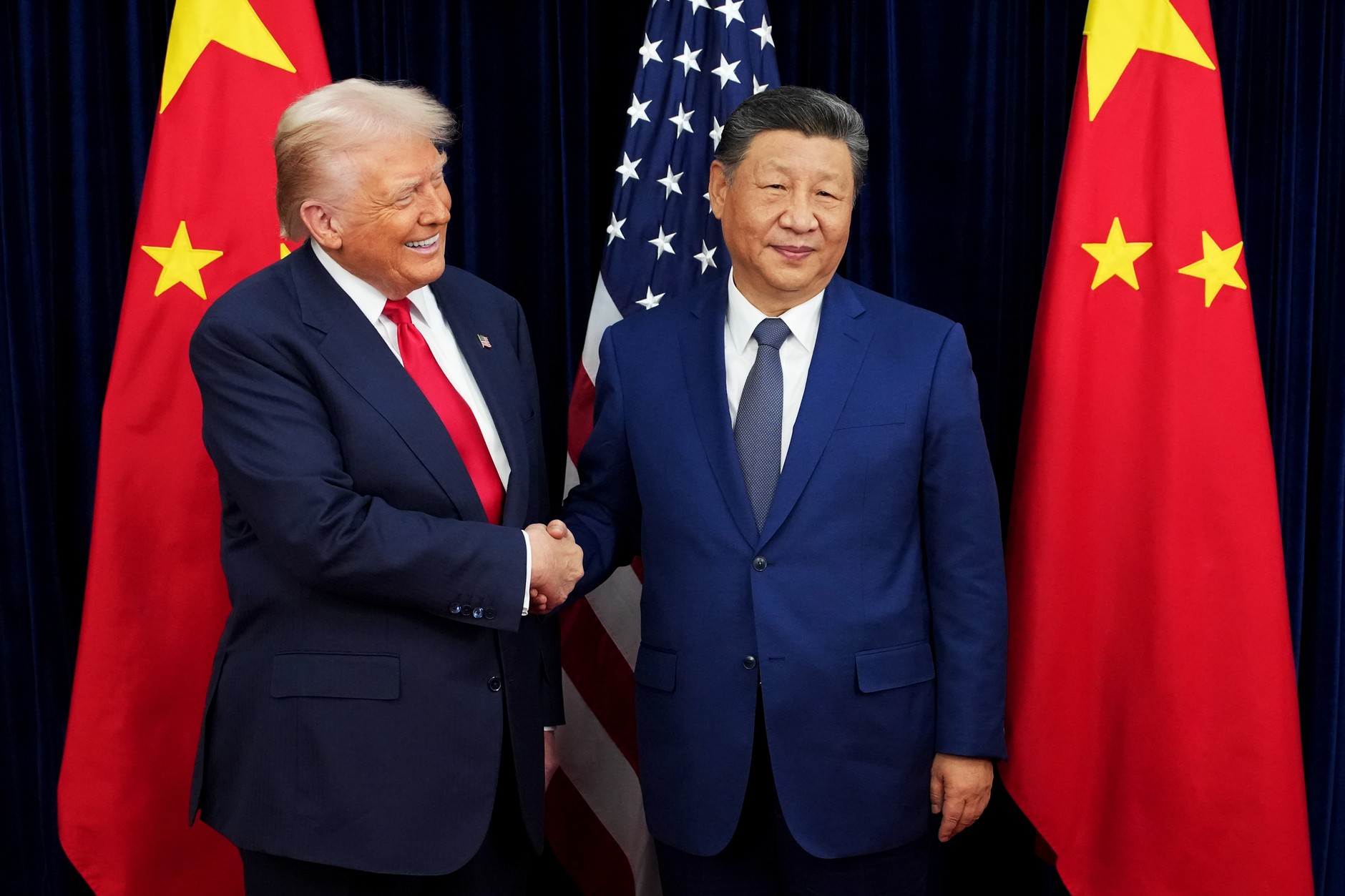
About the fact that Xi currently has the better cards in his hand in this dispute, as the body language of both leaders has already shown during a photo session before the start of the summit. Trump leaned over to his counterpart with a smile, put his hand on his back and clearly tried to create a good atmosphere for negotiations. Xi, on the other hand, remained stiff and reserved, signaling that, unlike many other heads of government, he did not need to court the US president.
U.S. President Donald Trump greets Chinese leader Xi Jinping ahead of a bilateral meeting in Busan, South Korea, October 30, 2025.Andrew Harnik/Getty Images/Getty Images
In the coming weeks, the details of the agreement will be negotiated at a lower level. If it continues, it will give the West some respite – but nothing more. Trump realizes this. To reduce its disastrous dependence on rare earth elements, it has already concluded appropriate agreements with Japan and other countries and accelerated domestic production.
The EU should also pursue this dual strategy: on the one hand, diplomatically solve urgent trade problems, but at the same time do everything in its power to free itself from unilateral dependence on China as soon as possible.
I’m Ashley Davis as an editor, I’m committed to upholding the highest standards of integrity and accuracy in every piece we publish. My work is driven by curiosity, a passion for truth, and a belief that journalism plays a crucial role in shaping public discourse. I strive to tell stories that not only inform but also inspire action and conversation.