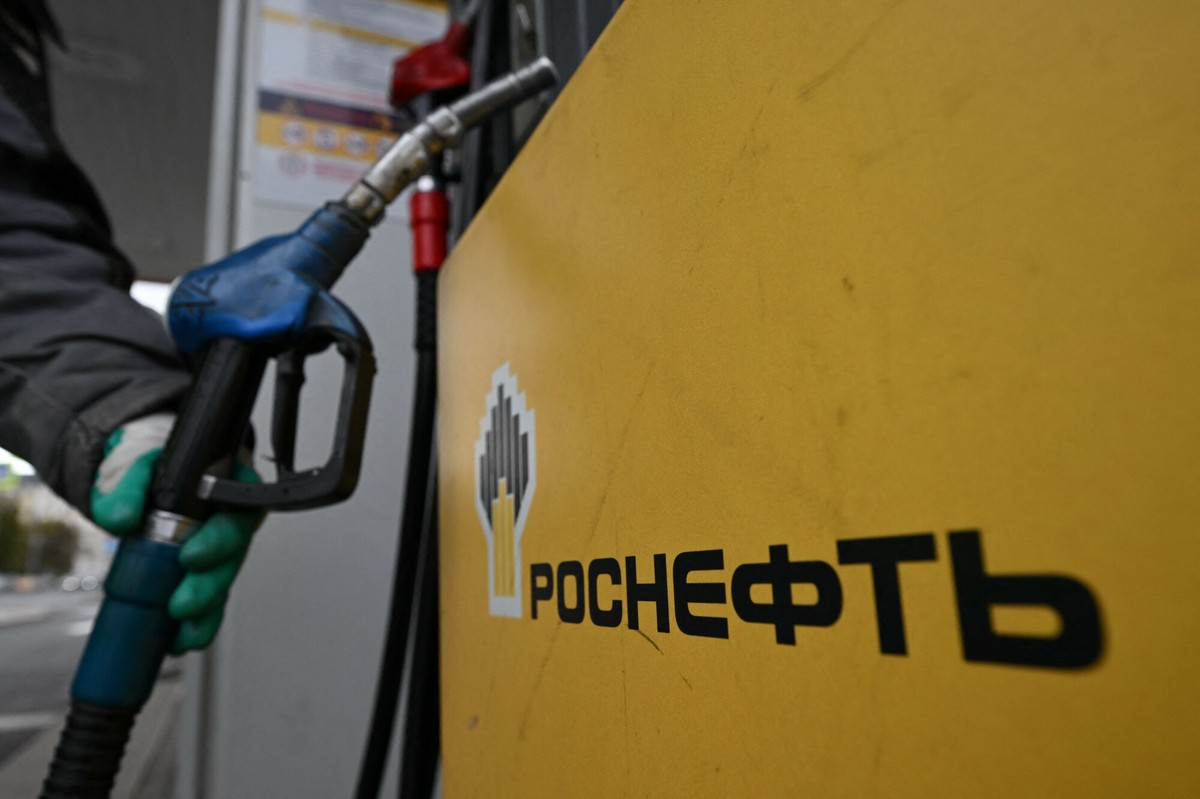
American sanctions on Rosneft and Lukoil, introduced in response to Russia's actions in Ukraine, forced Berlin to enter into intensive talks with Washington. A spokesman for the German Ministry of Economy confirmed that the German government is conducting “very intensive” negotiations with the US to ensure the continued operation of Rosneft's assets in Germany. US authorities have already granted temporary relief from sanctions until April 2026, but Berlin is seeking permanent relief.
Read also: The Russian oil giant announces the most radical decision in connection with sanctions
Nationalization of Rosneft. This idea has appeared before
The idea of nationalizing Rosneft's German assets is not new. Such a solution had already been considered earlier, during the coalition government led by Olaf Scholz. Michael Kellner, a Green MP who oversaw matters related to Rosneft in the previous cabinet, emphasized that nationalization is crucial to ensuring Germany's energy stability. According to him, only the state's takeover of these assets can guarantee their future.
The value of Rosneft's German assets is estimated by Russian media at approximately $7 billion, but, as Reuters reports, the actual value may be much lower. German refineries, including the key installation in Schwedt, which supplies fuel to the north-east of the country, play an important role in ensuring Germany's energy security.
Rosneft's assets were placed in trust in 2022 in response to Russia's invasion of Ukraine. German authorities argued that separating them from their Russian parent company was necessary to protect the country's energy interests. Meanwhile, the trust agreement, renewed every six months, remains a temporary measure, the legality of which is verified in court each time.
Read also: Volodymyr Zelensky talks about the impact of sanctions. Billions of dollars a year
US sanctions on Russia
US sanctions on Russian oil giants are aimed at putting pressure on the Kremlin over the war in Ukraine. The restrictions, introduced during Donald Trump's second presidential term, are the first step of this type against Russian companies in this period. As the American authorities emphasize, their aim is to force Moscow to accept the proposal to freeze combat operations on the current front line.
Berlin's decisions regarding the nationalization of Rosneft's assets may have far-reaching consequences for Germany's relations with Russia, as well as for Europe's energy future. In the face of sanctions and political tensions, the German government faces a difficult choice that will determine the further shape of cooperation with the Russian energy sector.