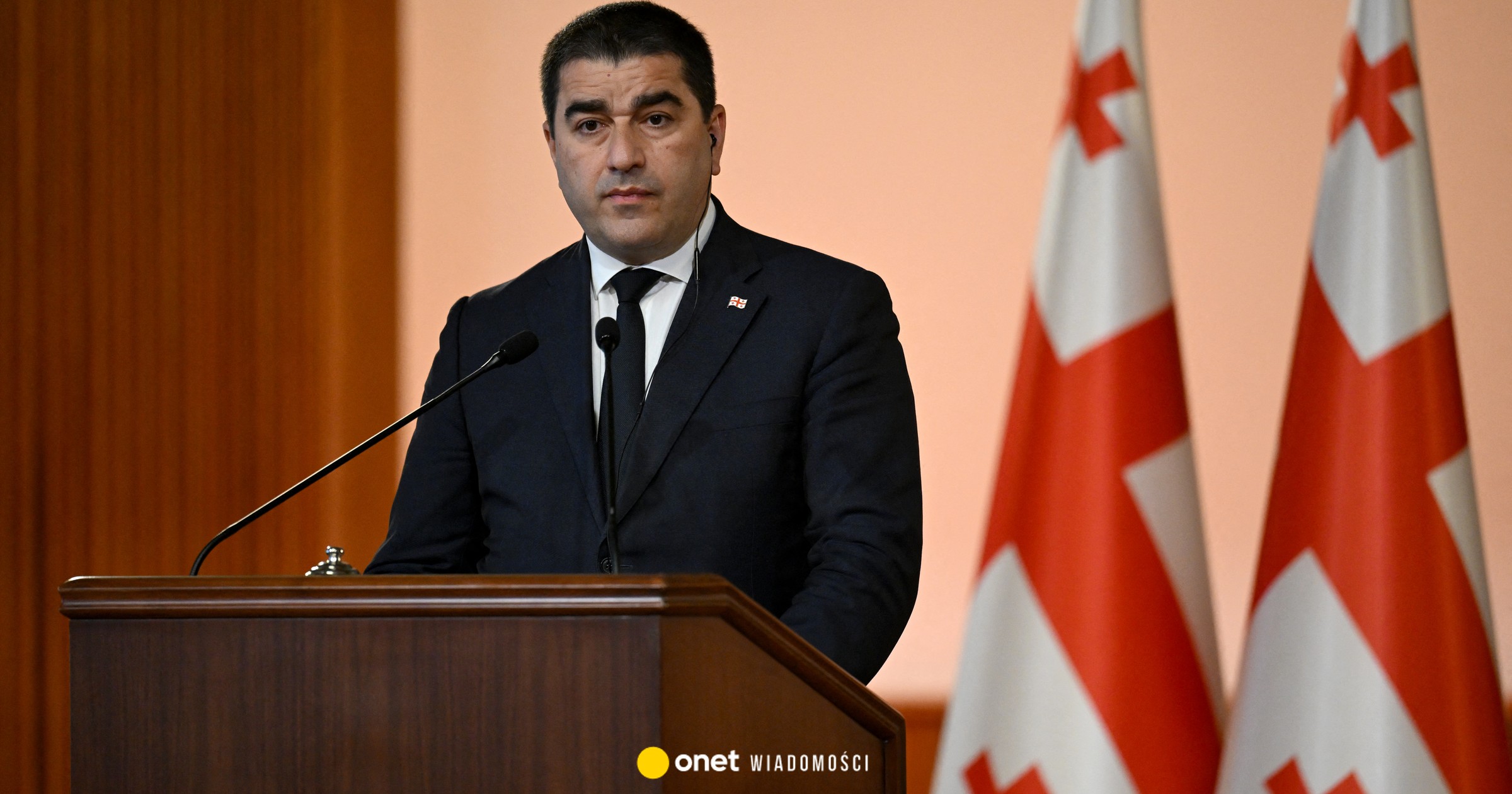
Democracy in Georgia stands at a crossroads. The ruling Georgian Dream party filed a motion to court declaring the activities of three opposition parties unconstitutional. The parties targeted are the United National Movement, Strong Georgia and the Coalition for Change. This was announced on October 28 by Shalva Papuashvili, leader of Georgian Dream and controversial speaker of parliament.
Papuashvili says the case is supported by evidence that opposition parties consistently reject the legitimacy of the current government and ruling party, both at home and abroad
“These parties admit that one of the parties, either they or the ruling party, must inevitably be declared unconstitutional,” he said.
Analysts warn that this step may further consolidate the ruling party's dominance and limit the activities of the opposition, raising concerns about the erosion of democratic institutions in Georgia.
“The evidence shows that the relevant political parties consistently reject the legitimacy of the current Georgian government and the ruling party, both in domestic and foreign policy, and therefore its constitutional authority,” Papuashvili said.
The article continues below the video
The decision of the constitutional court will be closely watched by public opinion both at home and abroad. Political analysts note that the case sets a precedent for how the judiciary can be used in politically sensitive disputes and could have implications for future electoral processes and party competition.
The coming weeks will be crucial in determining whether Georgia will be able to maintain democratic norms, protect political pluralism and maintain a fair parliamentary system, or these events they will consolidate the dominance of the ruling party at the expense of opposition rights and institutional integrity.
Visa-free travel is at risk. Brussels is putting pressure on Georgia
On October 7, the European Parliament adopted – by 518 votes in favor and 96 against – a resolution supporting the request for simplified suspension of visa-free travel for third countriesgiving Brussels additional powers to respond quickly to issues related to migration, security or human rights violations.
This reform comes at a delicate time for relations between the EU and Georgia. Over the past year, Tbilisi has repeatedly clashed with Brussels over issues such as the controversial “foreign agents” law, government rhetoric echoing Russian narratives and concerns about the decline of democracy.
EU officials warn that such a policy maybe undermine Georgia's candidacy, the status granted to it in 2023, and complicate the path to final accession to the Union. In this year's resolutions, the European Parliament clearly criticized the Georgian government for “deviating from European values” and “deliberate actions aimed at distancing the country from the West.”
In this context, a new mechanism for suspending visa-free travel can benefit Brussels a more effective tool to put pressure on Tbilisiif the country continues to deviate from EU standards – particularly in areas such as the rule of law, media freedom and human rights.
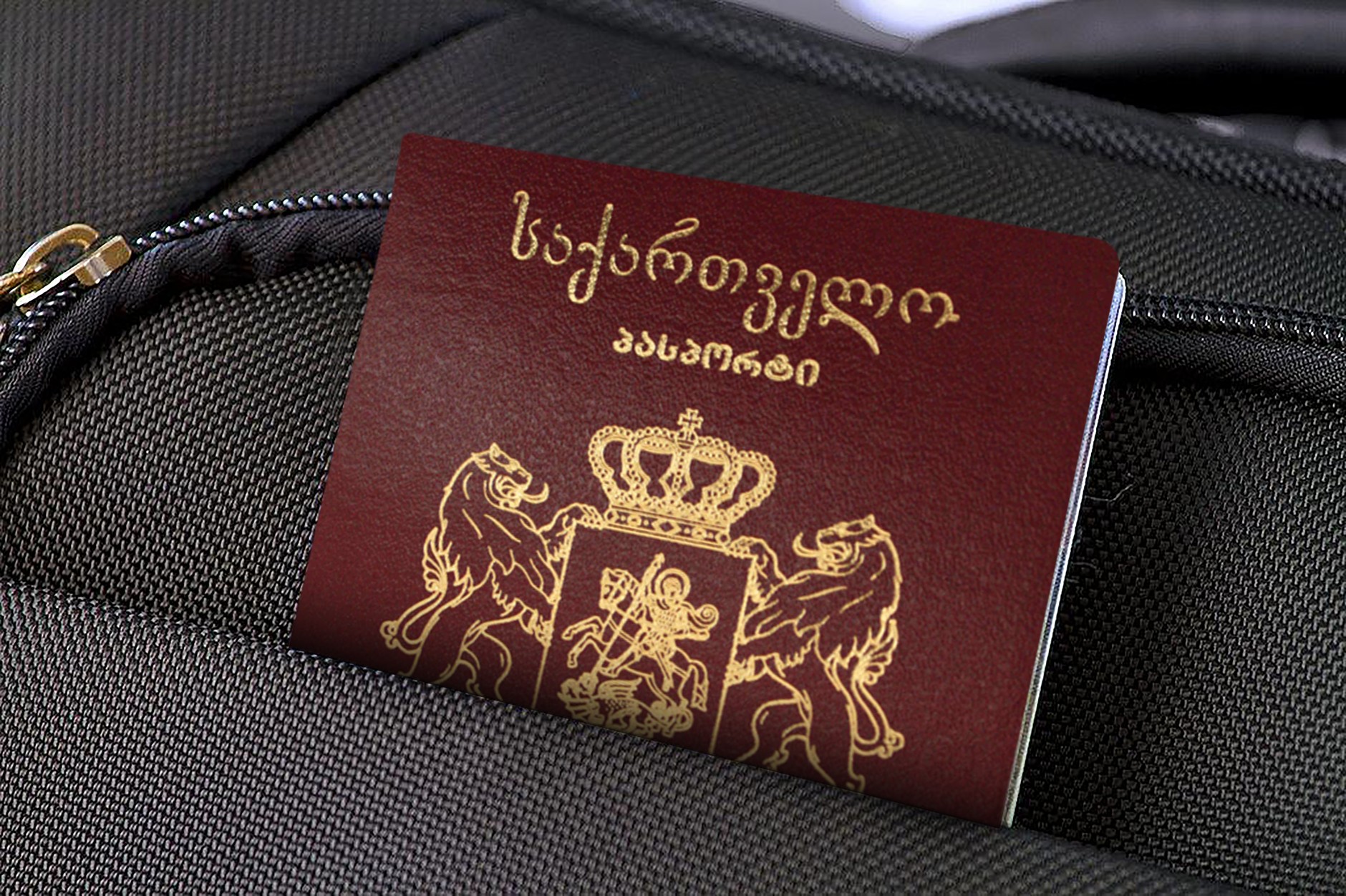
Georgian passport. Illustrative photoAaftab Sheikh / Shutterstock
For Georgia, the loss or suspension of visa-free travel would be more than just an administrative obstacle. It would be a serious political and psychological blow to a society that is largely in favor of integration with Europe.
Since the entry into force of visa-free travel in 2017 almost one million Georgian citizens took advantage of the possibility of short-term travel to the Schengen area — for tourist, educational and business purposes. Withdrawing this privilege would isolate ordinary Georgians, weaken interpersonal ties and strengthen anti-Western sentiments in the country.
The EU Council is expected to formally approve the reform on November 17, and the law will enter into force in December. Currently, 61 countries – including Georgia, Ukraine and the Western Balkan countries – benefit from visa-free travel to the Schengen area. So far, the EU has only withdrawn such powers once, in the case of Vanuatu.
I’m Ashley Davis as an editor, I’m committed to upholding the highest standards of integrity and accuracy in every piece we publish. My work is driven by curiosity, a passion for truth, and a belief that journalism plays a crucial role in shaping public discourse. I strive to tell stories that not only inform but also inspire action and conversation.