What did Ukraine's allies agree on at the new meeting of the “Coalition of Will”. Great Britain insists on the use of frozen Russian assets


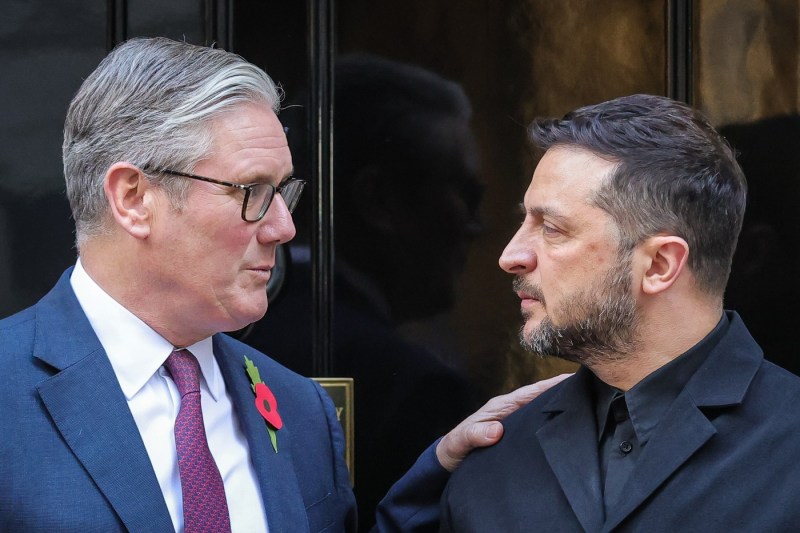
Keir Starmer and Volodymyr Zelensky in London. Photo: Imageplotter / Avalon / Profimedia
Kiev's allies are determined to increase the pressure on Moscow, British Prime Minister Keir Starmer said on Friday, who called for the “completion of work” on the use of frozen Russian assets to finance Ukrainian defense, France Presse and Agerpres news agencies report.
The “Coalition of the Will”, which brings together almost 30 countries, especially European ones that support Kiev, met on Friday afternoon.
These allies have agreed “on a clear plan” to help Ukraine by the end of the year, the British leader said in a joint press conference with Ukrainian President Volodymyr Zelenskiy, without however announcing a concrete commitment.
Kiev's allies are “determined” to step up pressure on Vladimir Putin “from the battlefield to his war economy,” said Keir Starmer, who co-chairs the coalition with French President Emmanuel Macron.
Kiev's allies must agree to “get the job done” on using frozen Russian assets in response to Moscow's invasion of Ukraine, Starmer said.
The United Kingdom is prepared “to act in concert with the European Union to make this move forward as quickly as possible with the aim of these funds being directed to Ukraine,” he added.
The unlocking of these assets would allow, in particular, the financing of the provision of “long-range systems”.
In this regard, the Labor leader called on allies to “do more” to strengthen Ukraine's long-range capabilities.
The London meeting of the “Coalition of the Will” took place in a hybrid format: Danish Prime Minister Mette Frederiksen, his Dutch counterpart Dick Schoof and NATO Secretary General Mark Rutte were physically present. Another 20 leaders – including French President Emmanuel Macron – participated via video conference.
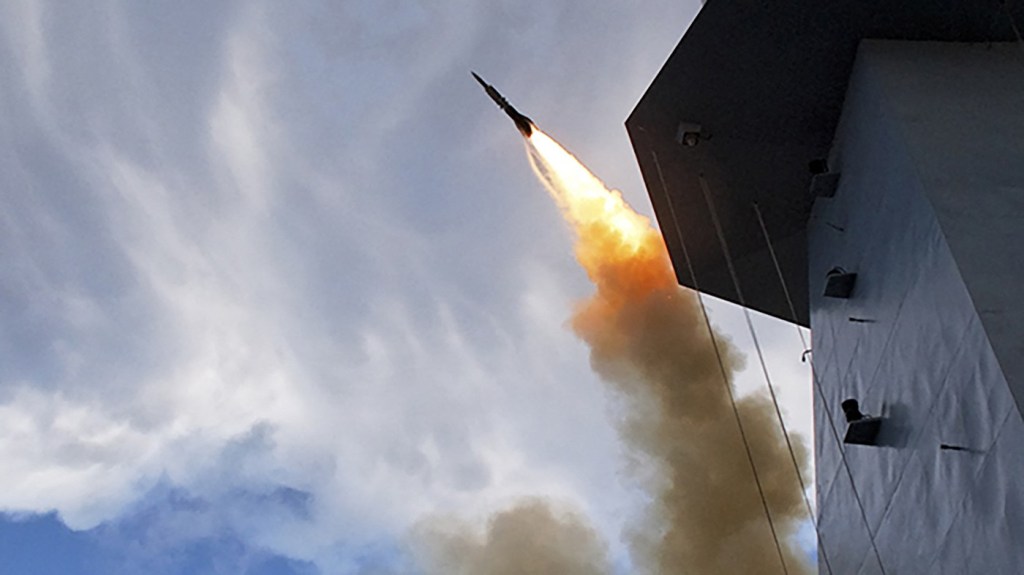 France is sending a new batch of weapons to Ukraine, including a missile system similar to the Patriot system
EU leaders discussed the use of frozen Russian assets, but postponed the decision
Regarding the use of Russian assets, European leaders took a tentative first step in Brussels on Thursday, asking the Commission to explore ways to finance Ukraine over the next two years, leaving open the possibility of a loan based on these assets.
Immobilized in fact by Western sanctions, these assets represent around 210 billion euros.
This proposal will appear on the agenda of the European summit in December, effectively postponing the most difficult decisions. It is formulated in vague terms because of the reserves of Belgium, the country where most of the funds are located.
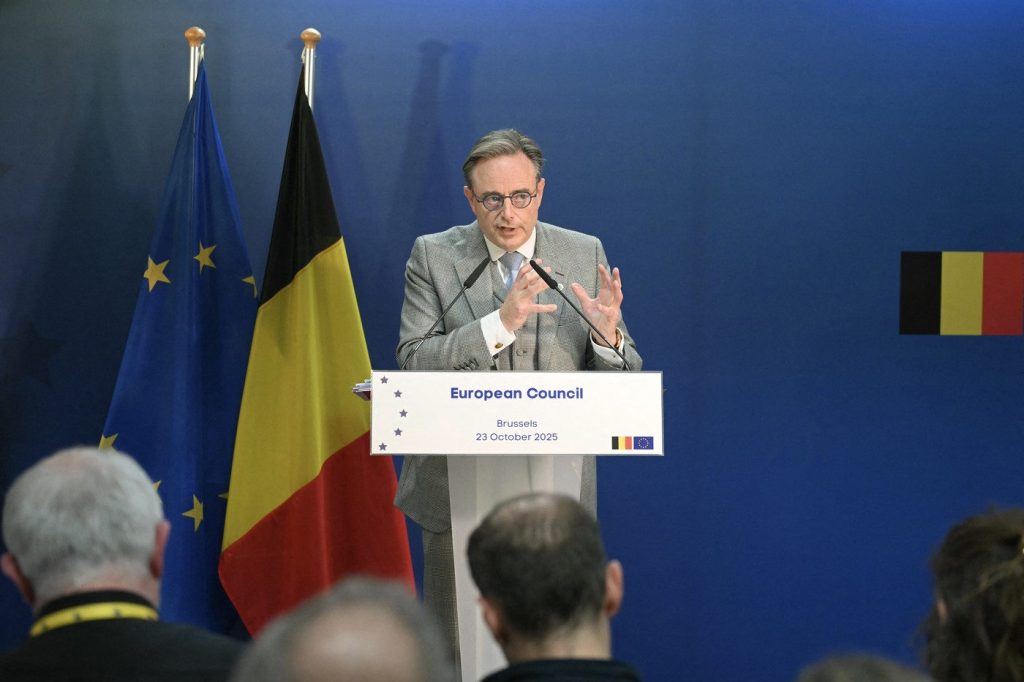 How a single member state derailed the EU's ambitious plan to give Ukraine more than €100 billion
The simple confiscation of these assets is excluded at this stage by the EU countries in order not to weaken their financial position, it proposes a financing mechanism for a loan of 140 billion euros for Ukraine, using a guarantee based on the frozen Russian assets, but without using them directly.
Present in Brussels on Thursday, Volodymyr Zelenskiy had asked the European leaders to speed up the procedure. During the evening, he was upbeat on the issue, hailing the “good results” of the summit.
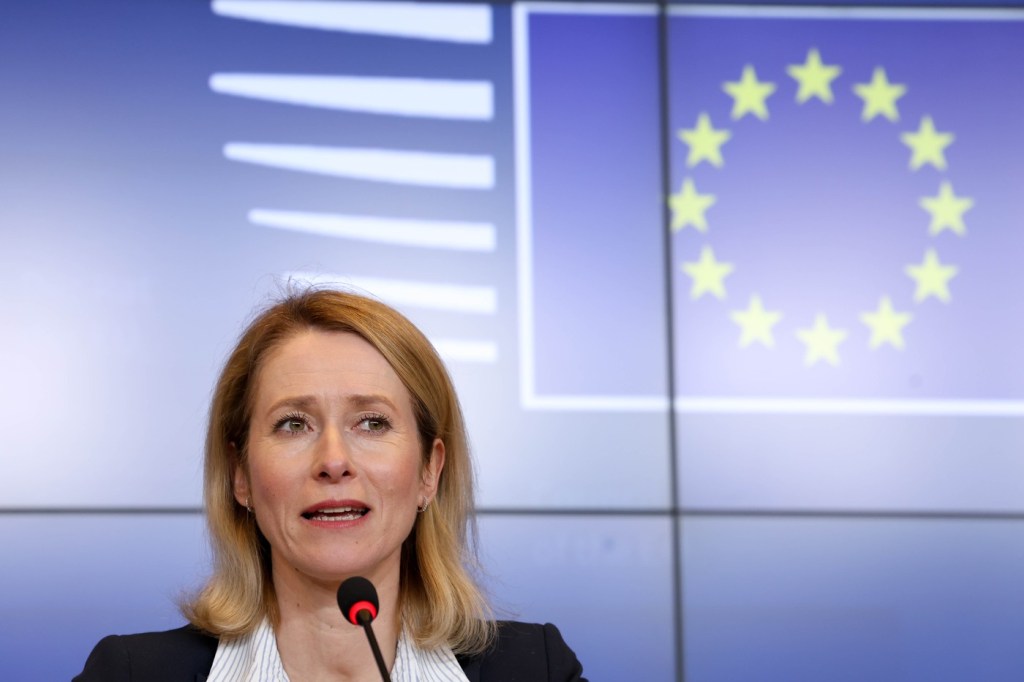 The EU deals a new blow to Russia, on the day of the European Council in Brussels / Intense discussions to use Russian money to support Kiev / Moscow's response
Keir Starmer welcomed this week's “enormous progress” on sanctions against Russian hydrocarbons, following the US decision to impose sanctions on the sector.
US President Donald Trump had long refused to take such measures, but this week he estimated that his talks with his Russian counterpart “are going nowhere”.
These sanctions involve a freeze on all assets of the Rosneft and Lukoil oil companies in the US and a ban on all American companies doing business with them.
Moscow has denounced the US sanctions as “counterproductive”, with Vladimir Putin saying they will not have a “significant impact” on his country's economy.
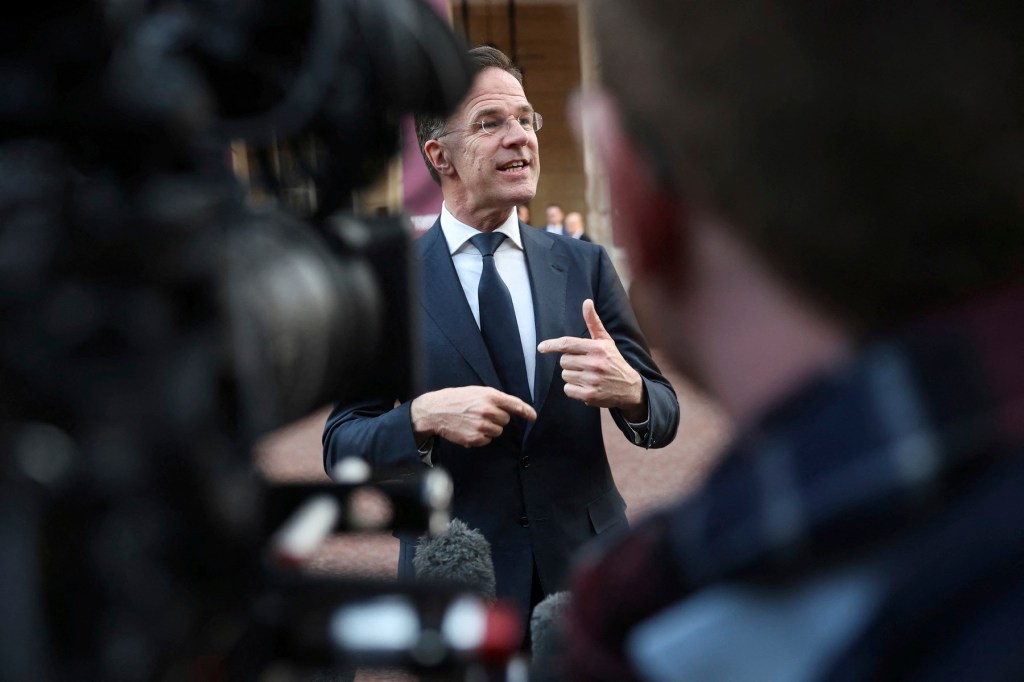 Sending Tomahawk missiles to Ukraine is still under review, NATO chief says