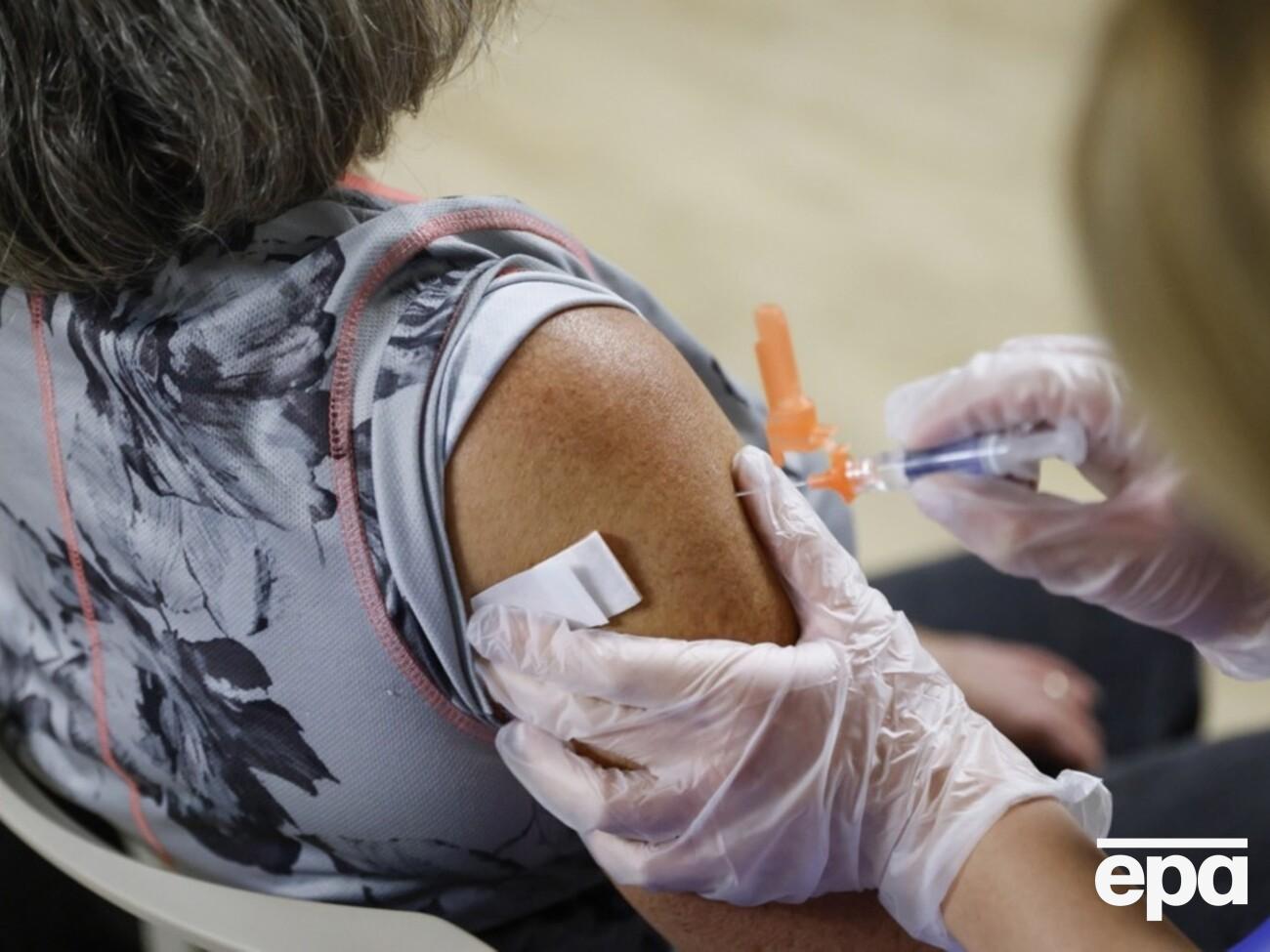
As explained by researchers from the Cancer Center. M.D. Anderson (Houston) and the University of Florida, a key role in this process is played by mRNA, a special type of RNA molecule that gives cells instructions on how to make proteins and likely helps the immune system respond better to treatment. According to the study's lead author, Dr. Adam Grippin, “the vaccine acts like a siren, activating immune cells throughout the body” and helps attack tumors previously resistant to immunotherapy.
As AP writes, US Secretary of Health Robert Francis Kennedy Jr. has repeatedly expressed doubts about mRNA vaccines and even reduced funding for this technology by $500 million. At the same time, a team of scientists considers the results obtained so promising that they are already preparing a large-scale clinical trial. As the media notes, the researchers' goal is to test whether combining mRNA vaccines against COVID-19 with checkpoint inhibitor drugs can improve the effectiveness of treatment while the development of specific mRNA vaccines against cancer continues.
As stated in the material, usually the immune system can destroy cancer cells in the early stages. But some tumors “camouflage,” becoming invisible to immune surveillance. Checkpoint inhibitor drugs remove this protection, but for some patients the treatment does not work, writes AP.
The mRNA molecule (a naturally occurring molecule found in every cell) carries the genetic instructions for protein synthesis. mRNA technology, which gained popularity during the COVID-19 pandemic, has been used for several years in research into personalized vaccines that can teach the immune system to recognize the unique characteristics of a particular person's tumor, the media notes.
Dr. Jeff Koller, an mRNA expert at Johns Hopkins University who was not involved in the study, called the scientists' work “an important clue” and said that “mRNA drugs continue to surprise us with how beneficial they can be to human health.”
Dr. Grippin's team analyzed data from nearly a thousand patients with advanced cancer who received immunotherapy at MD Anderson. The article presents statistical results: patients who received the Pfizer or Moderna vaccine showed significantly better performance compared to those who were not vaccinated. Among melanoma patients, survival rates were markedly higher among those vaccinated, but the exact numbers remain unknown because some patients in this group were still alive at the time of the analysis.
Scientists emphasize that conventional non-mRNA vaccines, for example, against influenza, did not have a similar effect, the AP notes.