The October cold leaves the farmers with their goods in the solar: “Tomatoes are now half a kilo each”

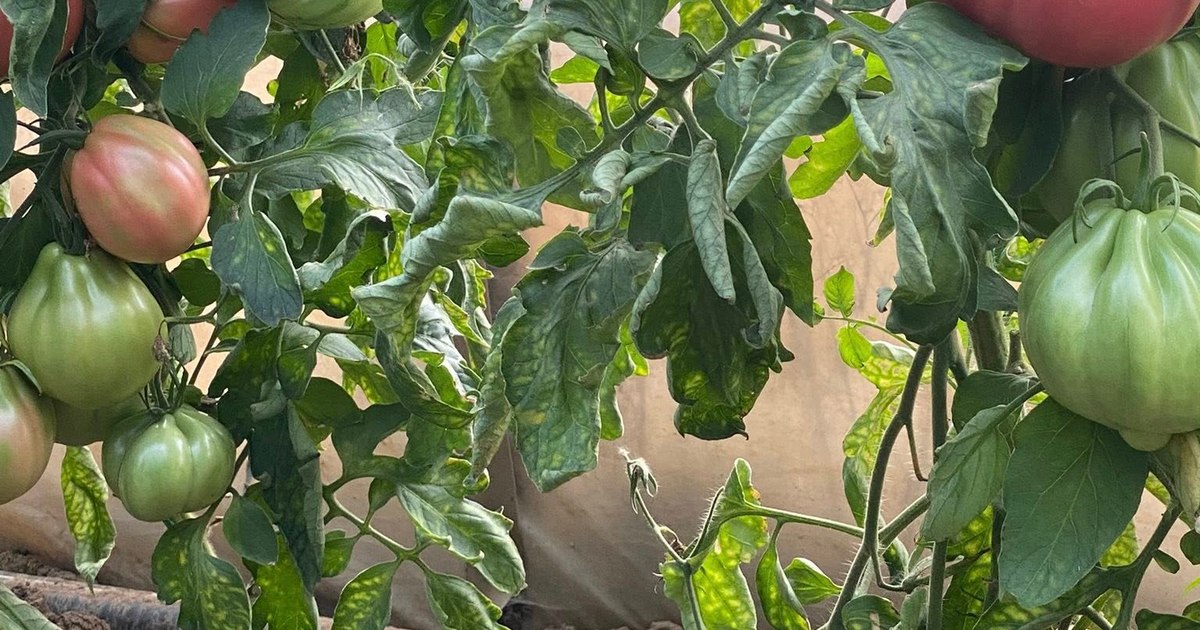
The week started with low temperatures in the south of the country, where the most numerous vegetable growers who produce in protected areas are concentrated. To protect their crops, they turned on the heating systems in the solariums.
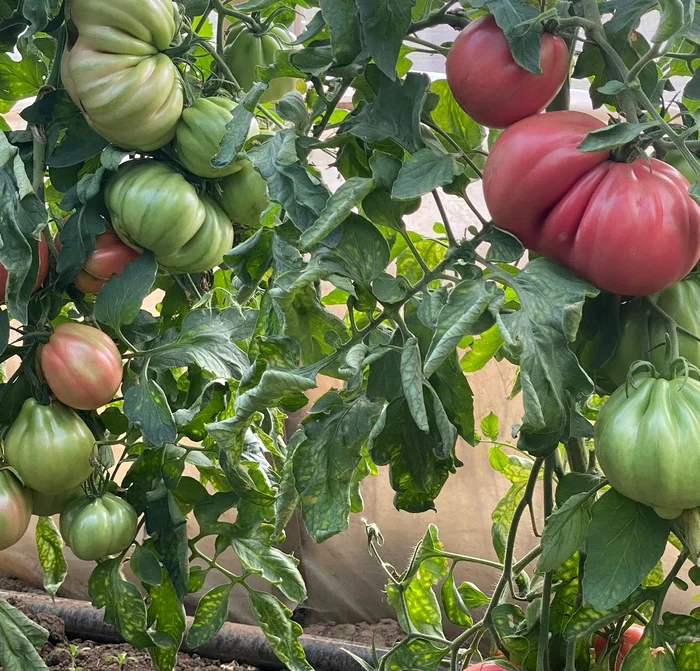
Tomatoes “with good taste and commercial appearance”, sold for 8 lei/kg, wholesale PHOTO: FB/Ilie Ursu
Farmers no longer think about costs, although they are an important burden, but how to save their crops from frost. Monday morning, in the south of the country, in the vegetable basin on the Olt Valley, the first morning with negative temperatures this fall was recorded. The weather forecast is the most important section of the news bulletin. If the weather catches them on the wrong foot, all the hard work of several months goes to waste. It's all they need, the farmers say, because even so they're going through a period when prices aren't quite commensurate with their efforts.
“So far more dangerously cold for gardens was yesterday morning. As of today, it is acceptable. Yesterday morning it was (-) 1 degree Celsius here. Today the temperature was +6 degrees, tomorrow it would be +5 degrees and from Thursday it will get warmer at night as well. And the day, 20. Last year there were three nights in a row with temperatures below 0 degrees, it was more dangerous, (-)3 – (-4) degrees last year at this time. From now on, for another two weeks, spring days will come”, stated Ilie Ursu, a well-known vegetable grower from Rusănești, Olt.
Sunny days would help farmers not only push the cost of heating further into the winter, but also help vegetables grow well with everything they need, including light.
“The tomatoes I have now are half-kilogram pods, I hope they will ripen”Ilie Ursu also said.
Although the tomatoes he produces are extremely sought-after – middlemen who sell in the markets of the country's big cities come to Rusănești to stock up -, such large gogones are not as successful. “They are much sweeter than gogones, in pickles they are something exceptional”says the farmer, but this truth doesn't help him sell.
Fuel from last year's stock and plant installments
Because they can't afford to risk, vegetable growers who have crops in operation turned on the power plants on the night of Sunday to Monday. For most, the impact of the new prices has yet to come. It is still consuming fuel from last year's stock.
“I still have about 550 liters from last year. I buy from the cheapest one, buying diesel for 8 lei/liter is dangerous. But I don't know how cheap the cheap one is now”Ilie Ursu also said.
The consumption is about 50 litres/night, which means that he will soon have to replenish the stock. With the central plant for which he still pays installments, he heats 2,200 square meters of solar. It was an expense of approximately 120,000 lei, partially supported by his own money and more than half of the bank loan that he will pay off in the next two years.
When you ask small profit farmers, most have a hard time giving you a number. No matter how good the year is, the expenses are kept constant and almost everything collected is reinvested.
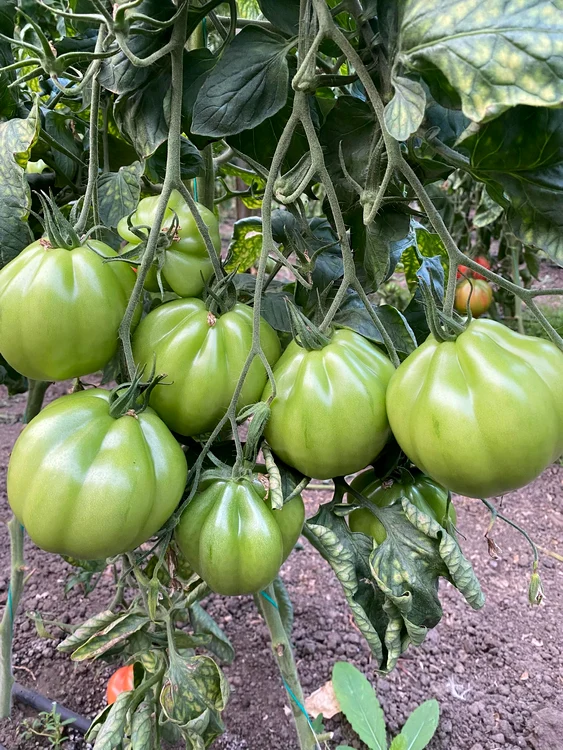
Heat and light are needed for tomatoes to ripen PHOTO: FB/Ilie Ursu
The vegetable grower from Rusăneşti says that the price at which he sells his famous tomatoes now is lower than at the peak of the season. “Then I gave them for 15 lei/kg, now, at the flying market in Slatina, I gave them the price at which they sell them at home, wholesale, that is 8 lei/kg”the farmer also said.
It is, fortunately, the lowest price, but that is because the variety is also sought after, and the initial investment, considerable. He grows Mamipink tomatoes, a hybrid with indeterminate growth, oxheart type, with pink fruits that reach an average weight of a quarter of a kilogram.
“The minister promised that he will also subsidize diesel for vegetable cultivation”
“Until now, I have never sold tomatoes for less than 8 lei, although they were also 1.5 – 2 lei/kg in the market. But no one pays 3 lei for a seed like me. It is a sought-after tomato, it is beautiful, it is big, it is tasty, it also has a qualitative aspect. If you have the courage to give 3 lei for a seed, you can have the courage to give another 6,000 – 7,000 lei buy some nebulizers to disinfect with spaces, have the courage to make other expenses. Investments never end, we go from investment to investment. The problem with the profit is… We had, there, 20,000-30,000 lei. We don't even have that social pension left. But the pleasure is when you see that beautiful plant and the satisfied buyer. They took my tests every time I came to the flea market and my great joy was that the ladies who took the tomatoes for tests posted on Facebook how were the results and after that we had an enormous number of buyers”said the vegetable grower.
At every difficult moment that they go through, the farmers remember the promises that were made to them. And for the vegetable growers there were not few. The Minister of Agriculture promised them that they would benefit from subsidized diesel, as happens in the case of large crops, but also from subsidizing the production that they market through the warehouses built by the state. “The minister promised that he would also subsidize diesel for vegetable cultivation and it remained dead. Like the matter with the small processing factories”, reminded Ilie Ursu.