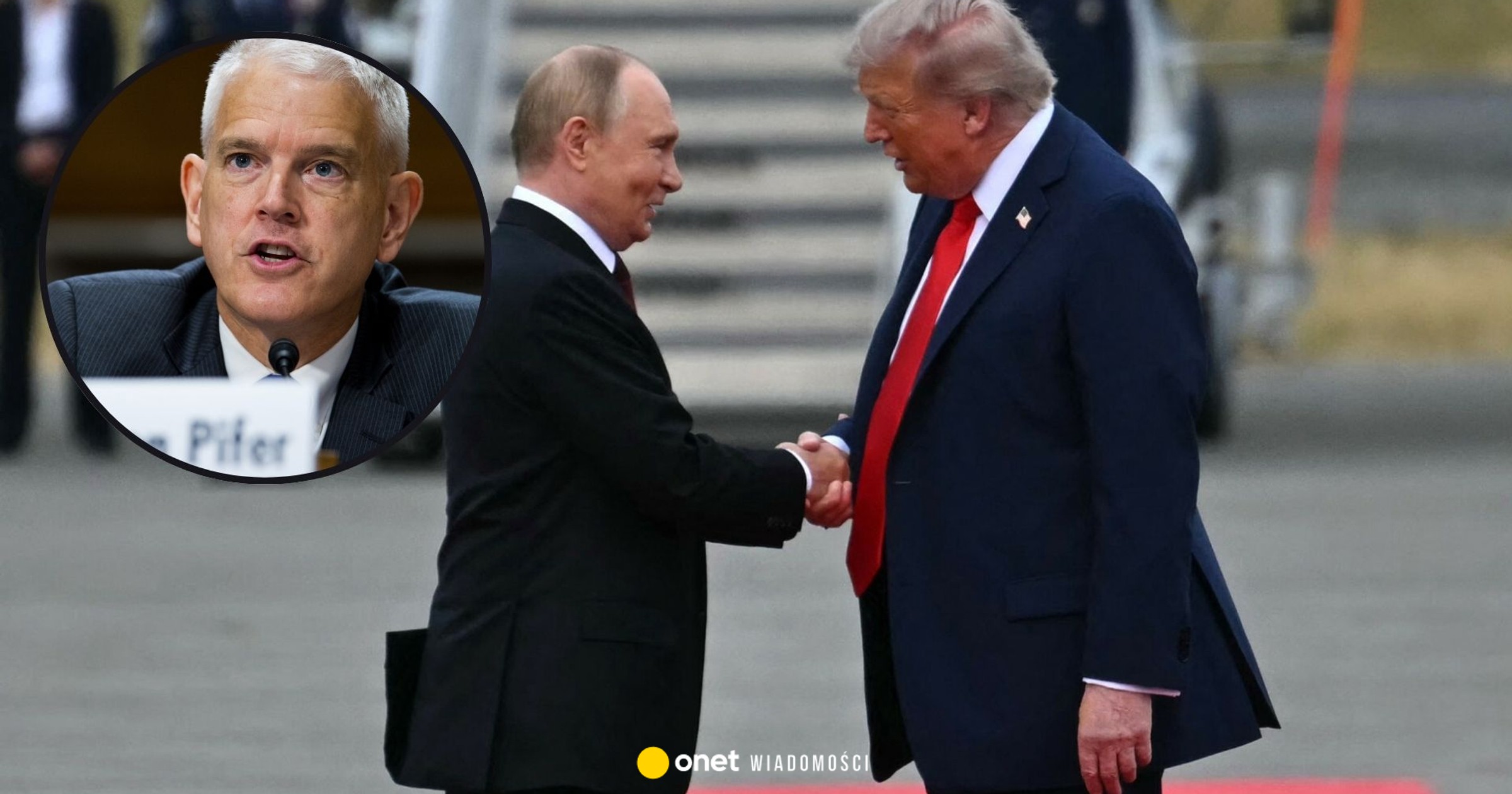
In an interview for Kyiv Post, Steven Pifer, who served as US ambassador to Ukraine from 1998 to 2000, speaks openly about the recent diplomatic turmoil related to Moscow and Kiev.
Pifer believes that President Volodymyr Zelensky's visit to the White House last week was destroyed by the US president's earlier conversation with his Russian counterpart.
—President Trump again, apparently he let himself be played by Putin during a telephone conversation on Thursday, the former ambassador claims. — I think the result of Friday's match was completely different than it could have been two days earlier.
According to Pifer, the main source of frustration was Trump's clear pressure on Ukrainefor it to relinquish its territory. — President Zelensky and the Ukrainians must be very frustrated that the White House does not seem to understand why they are not ready to give up the entire Donetsk region, he notes.
In this context, the former ambassador draws attention to a deeper misunderstanding of the situation on the American side. — What was also frustrating for me was that Mr [Steve] Witkoff again stated that “because all residents of the Donetsk Oblast speak Russian, they want to be Russian,” which in my opinion is definitely not true, he says.
The article continues below the video
Pifer emphasizes that maintaining the position in Donbas is a strategic imperative. — Giving up this territory would mean surrendering the defensive lines that have been holding back the Russian army for three and a half years now, he says. “I'm surprised why they don't understand that Ukraine simply can't do this at the moment,” he adds.
This assessment is consistent with Trump's earlier comments on Air Force One that Ukraine should “stop on the lines we currently have – the front lines… go home, stop killing people and end the war,” effectively freezing the conflict where Russian forces are currently located.
Europe must adjust its expectations
Pifer sees little chance of significant support from the White House, especially in putting pressure on Russia. He claims that Trump is “not ready to invest in reaching an agreement.”
— If he were serious about it, he would look for ways to put additional pressure on Russia, Pifer argues and points out what it should look like. — He should try to influence Moscow to change Putin's calculations so that he understands that further attempts to win on the battlefield will end in failure and will only mean greater political, economic and military costs for Russia.
He believes that without consequences for non-compliance, the White House's efforts will be wasted. — Trump, given the way he is currently conducting his mediation efforts, will failbecause he is not ready to take action against Putin when he is not negotiating seriously, he claims.
This skepticism is heightened by Trump's change in position on Ukraine's key request. After suggesting that it could provide Tomahawk long-range precision missiles, the US president backed down from the idea, saying: “We have to remember one thing: we need them too. You know, we can't give all our weapons to Ukraine.”
Pifer advises Kiev and European allies to they adjusted their expectations. — I would estimate the chance that Trump will ultimately be helpful at less than 10 percent.
Budapest summit: another Putin trap
The former diplomat considers the choice of Budapest as the venue for the upcoming Trump-Putin summit for Moscow's victory.
— I think Russians are certainly happy to go to Budapest. This is one of the few places in Europe where they can actually meet, Pifer points out.
Warns that the meeting may be “a repeat of what happened in Alaska, where it appeared that President Trump was persuaded by Putin to agree to a so-called “deal” that contained a number of traps for Ukraine.
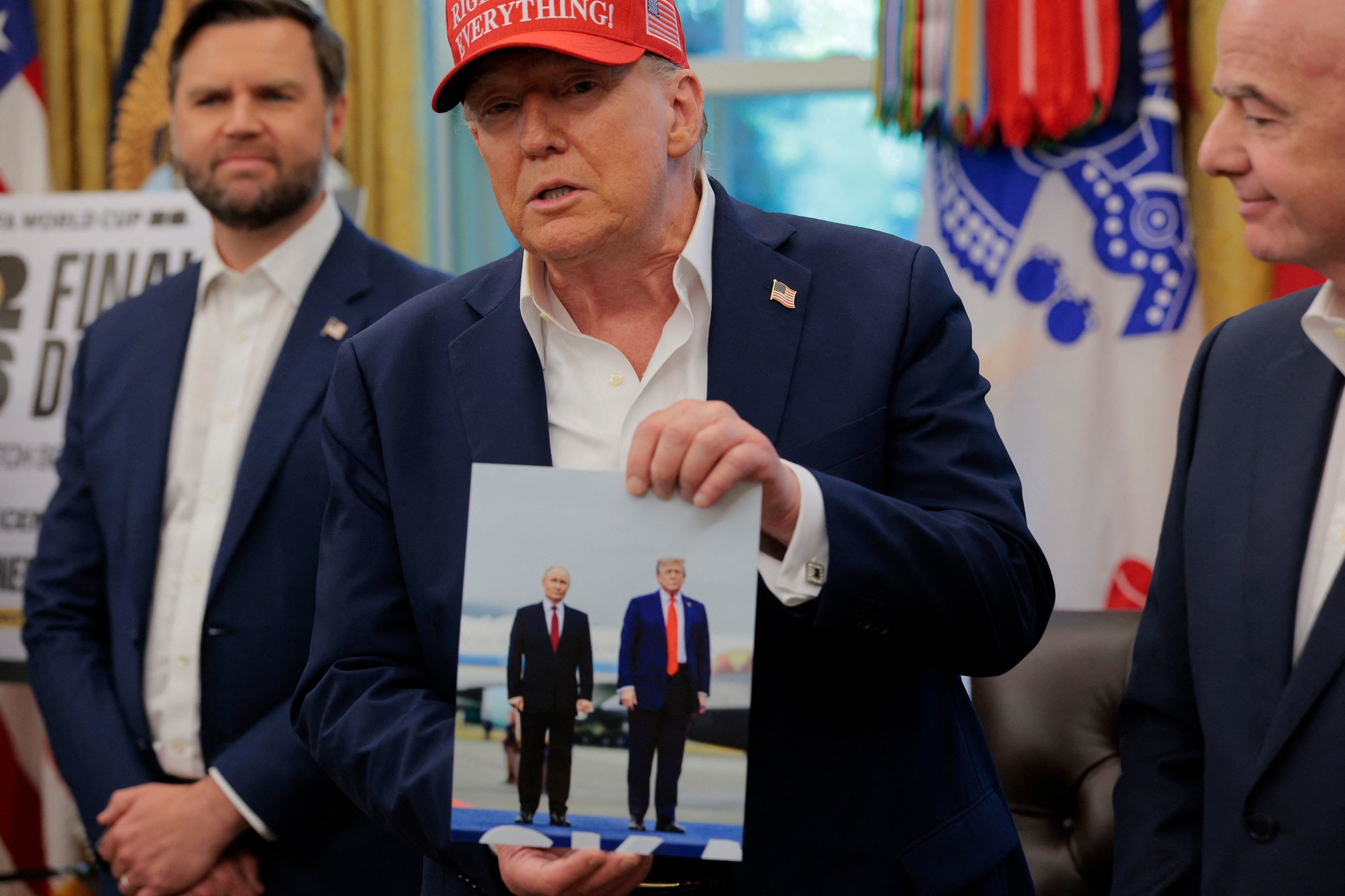
Donald Trump holds a photo from his meeting with Vladimir Putin in Alaska, Washington, August 22, 2025.CHIP SOMODEVILLA / Getty Images via AFP / AFP
Pifer has great doubts whether the summit will bring a breakthrough. “I'm not sure why anyone thinks Budapest will produce different results than Alaska when, at least publicly, Russia's position remains unchanged,” he says.
Zelensky has already publicly criticized the choice of venue for the meeting, saying he does not believe that a prime minister “who is blocking Ukraine everywhere can do something positive for its people or even make a balanced contribution,” an apparent reference to Kremlin-friendly Hungarian leader Viktor Orban.
Zelensky also warned against the historical symbolism of this place. — Another “Budapest scenario” would also not be positive, he emphasized, referring to the memorandum of 1994, which did not protect Ukraine's territorial integrity.
Pifer agrees. — I don't know whether the Russians thought about the symbolism of returning to the place where the Budapest Memorandum was signed. “In my opinion, President Trump doesn't even know he exists,” he says, adding: “I just think that because Trump likes Orban, he's willing to go to Budapest.”
“Don't burn bridges”
Despite this bleak outlook, Pifer gives President Zelensky and Ukraine clear advice: Don't burn your bridges with Washington.
“Remain open to the possibility that something good might happen,” says the former ambassador. He suggests that Zelensky is handling the difficult situation “as well as possible,” noting that he is “not burning any bridges with Trump.”
Pifer also has similar advice for Europe. — I believe that Europeans should follow the example of President Zelensky. They shouldn't burn bridges with the White House, he says. — However, I think that Europeans, like Ukrainians, must take into account that Trump will not be very helpful.
He advises using a dual strategy. In his opinion, “Zelensky must assume that the United States will not provide aid” and instead focus on alternative supply lines, such as the United States selling weapons to NATO, which will then pass them on.
Ahead of the meeting in Budapest, Pifer advises the White House to focus on preparations and possible consequences. — You need to prepare for the meeting. Then it must be made clear that if Putin says “no” again, as he did in Alaska, there will be serious consequences.