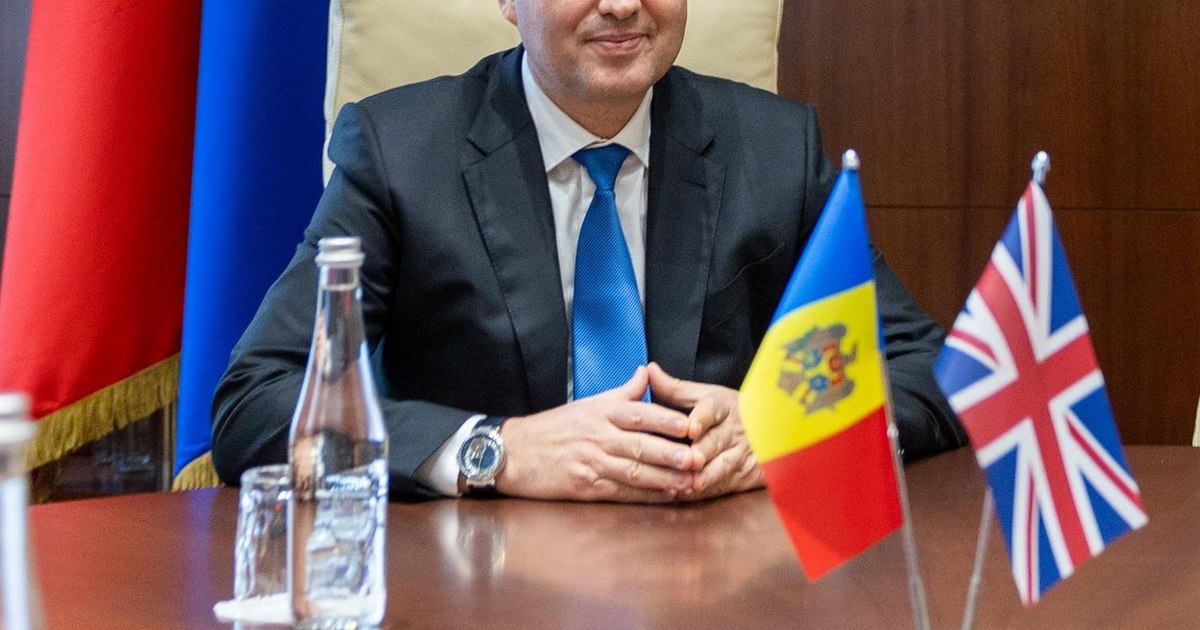
Before the start of the meeting of EU foreign ministers in Luxembourg, Kallas emphasized that talks were ongoing with member states on how to better coordinate actions against the Russian shadow fleet.
The article continues below the video
New package of sanctions against Russia. Resistance of Austria and Slovakia
At the end of last week, EU sources reported that the adoption of the 19th package of EU sanctions against Russia is still blocked primarily by Austria, which is demanding that part of the frozen Russian assets be released and transferred to Raiffeisen bank as compensation.
In mid-September, the head of the European Commission, Ursula von der Leyen, presented a proposal for the 19th package of sanctions against Russia. It included a ban on the import of Russian LNG to European markets and a transaction ban for Rosneft and Gazprom Neft. For the package to enter into force, unanimous consent of the EU-27 is required.
During the negotiations on new sanctions, Austria began to demand that sanctions against one of the Russian oligarchs, Oleg Deripaska, be partially eased. Vienna wants some of its frozen assets to be released and transferred to Raiffeisen Bank as compensation. Despite the ongoing war, this bank still operates in Russia, and the local court imposed a fine of EUR 2 billion on it. The assets would be compensation for this penalty.
Many member states fear that this step would set a dangerous precedent for other entities subject to sanctions. Some diplomats also point out that other financial institutions have withdrawn from operations in Russia, and the Austrian bank also had such an opportunity since the beginning of the Russian invasion of Ukraine.
Unofficial information also shows that Slovakia still has doubts, but regarding the part of the sanctions that concerns energy. Bratislava wants the issue of the embargo on Russian energy to go to the EU summit, where it could present its concerns about the security of oil supplies, due to the fact that Slovakia has no access to the sea.
According to the package, the withdrawal of Russian liquefied natural gas is to take place by January 1, 2027. In addition to abandoning Russian LNG, the Commission wants the 19th EU package to tighten measures limiting Russia's oil revenues. The Community allows trade in Russian oil only within a special limit.
Von der Leyen also announced in September that as part of the 19th package, the EC proposed sanctions on 118 additional ships from the Russian so-called shadow fleets; it transports Russian oil, which is then sold at a price higher than imposed by international restrictions. A total of over 560 entities are to be subject to EU sanctions.
Russia's main energy trading companies, Rosneft and Gazprom Neft, will be subject to a total trading ban. Other companies will also be subject to asset freezes.
The deputy head of the Ministry of Foreign Affairs on the new package of sanctions against Russia
— We are on track to decide on the 19th package of sanctions against Russia at this week's meeting of the European Council, announced Deputy Minister of Foreign Affairs Ignacy Niemczycki on Monday. According to him, a solution has also been found that will provide money for Ukraine from Russian assets.
— We are talking intensively about the 19th sanctions package. I don't expect a decision today, but I think we are on the right track to make this decision this week at the European Union summit, Niemczycki said before the meeting of EU foreign ministers in Luxembourg.
— We are also making clear progress when it comes to the so-called reparation loan for Ukraine. We support this solution. It is obvious that Ukraine's ability to counteract Russia's aggression depends on Ukraine's financial situation, he added.
This is a loan to be granted to Ukraine from the frozen assets of the Russian central bank.
— We managed to find a solution that seems to satisfy, on the one hand, the need of some euro area countries not to violate the rules. On the other hand, we will be able to provide money for Ukraine, emphasized the Deputy Minister of Foreign Affairs.
– I would like this discussion to move from a moment of discussion to action as quickly as possible, but I think that calm is also advisable here – he noted.