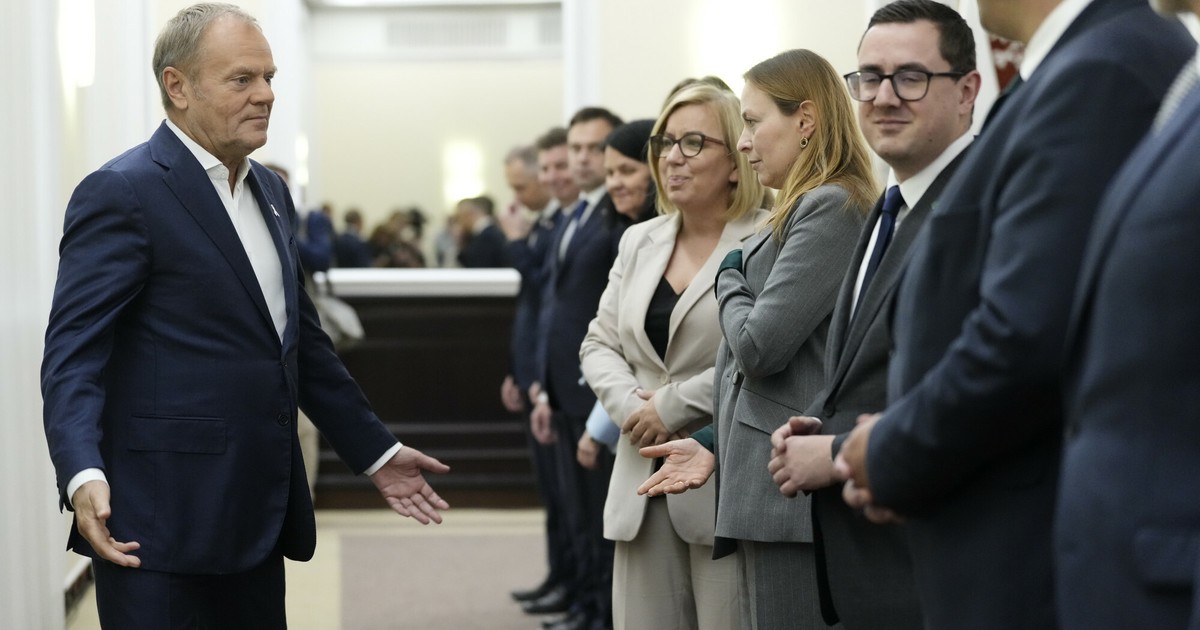
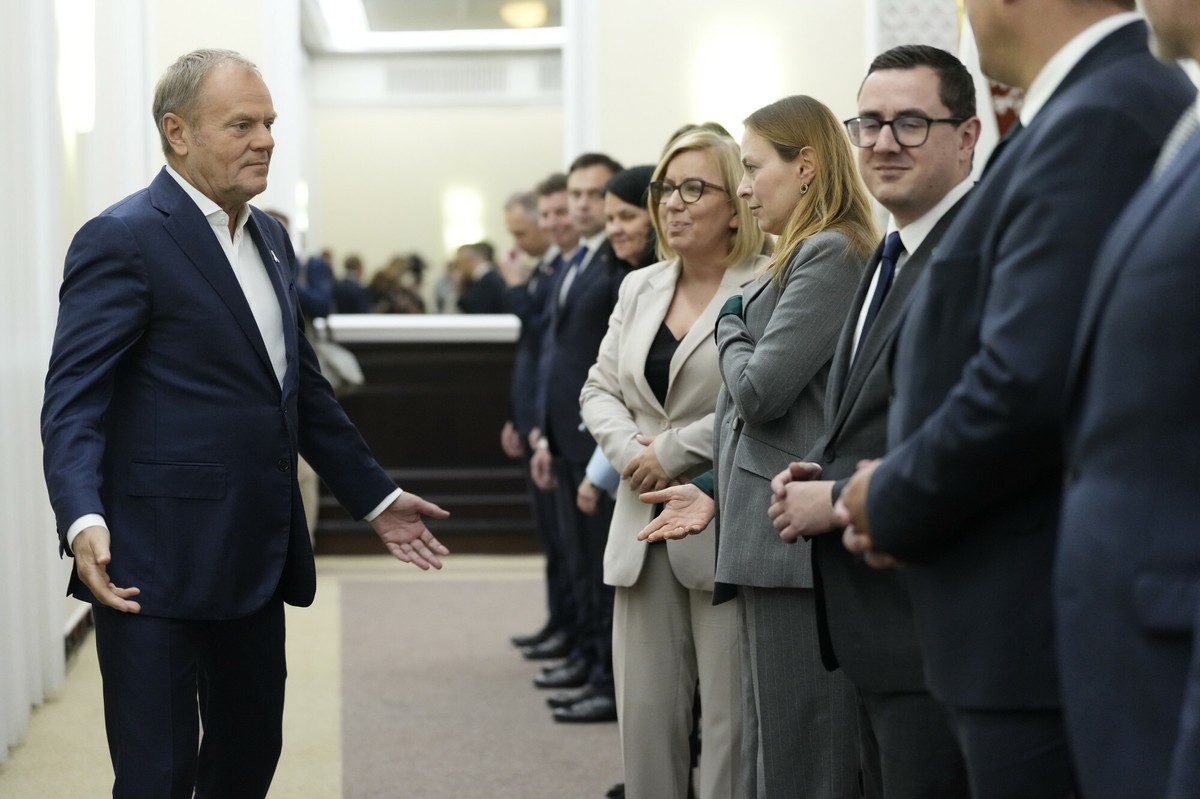
Wednesday marks two years since the parliamentary elections, as a result of which Law and Justice lost power after two terms, and the government coalition was formed by: KO, Lewica, Polska 2050 and PSL.
Read also: General Wiesław Kukuła at EFNI. It talks about the four pillars of Poland's security
After two years, expectations regarding individual promises have increased and Poles are starting to hold Donald Tusk's government and the October 15 coalition accountable for their implementation. Fakty TVN decided to look at what is a priority for Poles when it comes to the need to improve the situation.
Interestinglydespite the war in Ukraine that has been going on for over three years, not only the issue of security comes to the fore.
Read also: State budget after September. Already over PLN 200 billion in the red
The halfway point of Donald Tusk's government and the coalition on October 15. Poles indicated their priorities
Two topics ex aequo were at the top of the priority list: condition of health care – 51 percent and national security and defense – 51 percent.
This shows that Poles are concerned about both the quality of medical care and the geopolitical situation related to the war in Ukraine.
The next places were: economics and economy – 33 percent and education and the situation in schooling – 29 percent.
Respondents expect financial stability and improvement in the quality of the education system. Issues of migration policy (20%) and Poland's position on the international arena (16%) are considered important, but not crucial. Even fewer indications were given to:
- Restoring the rule of law – 15%.
- Environmental protection and climate change – 13%.
- Abortion – 11 percent
- Holding PiS governments accountable – 11 percent
- Civil partnerships – 6%.
It is clearly visible that ideological issues, although prominent in the public debate, are not the most important for most citizens. Answer “None of the above” was chosen by 2 percent. respondents, and “I don't know/it's hard to say” 4%.