
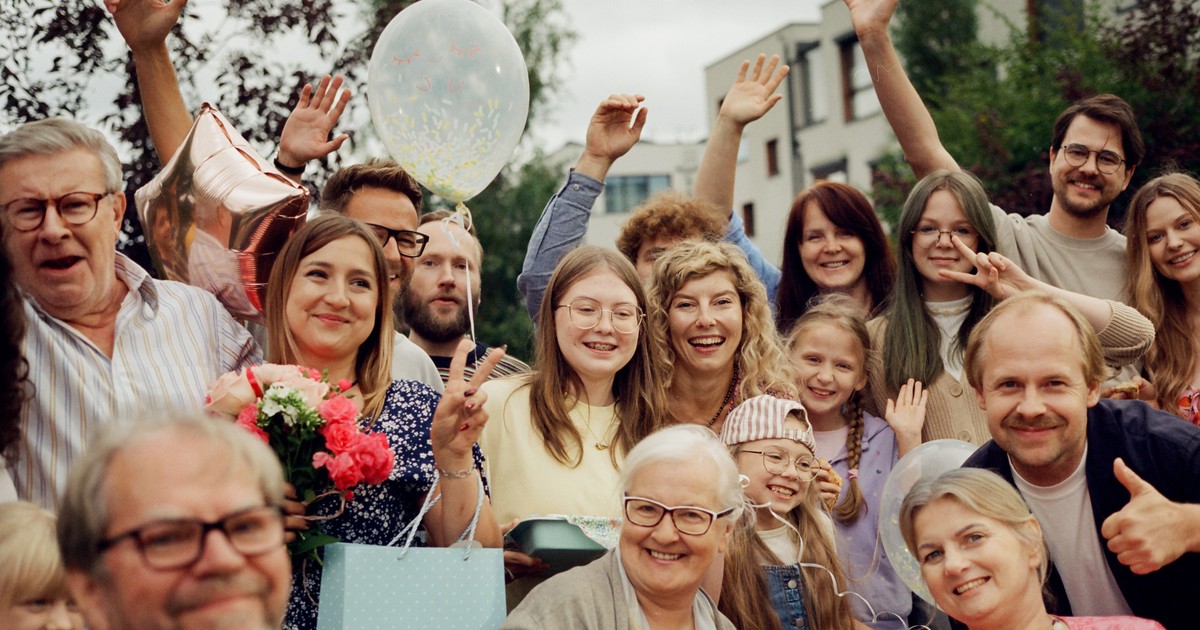
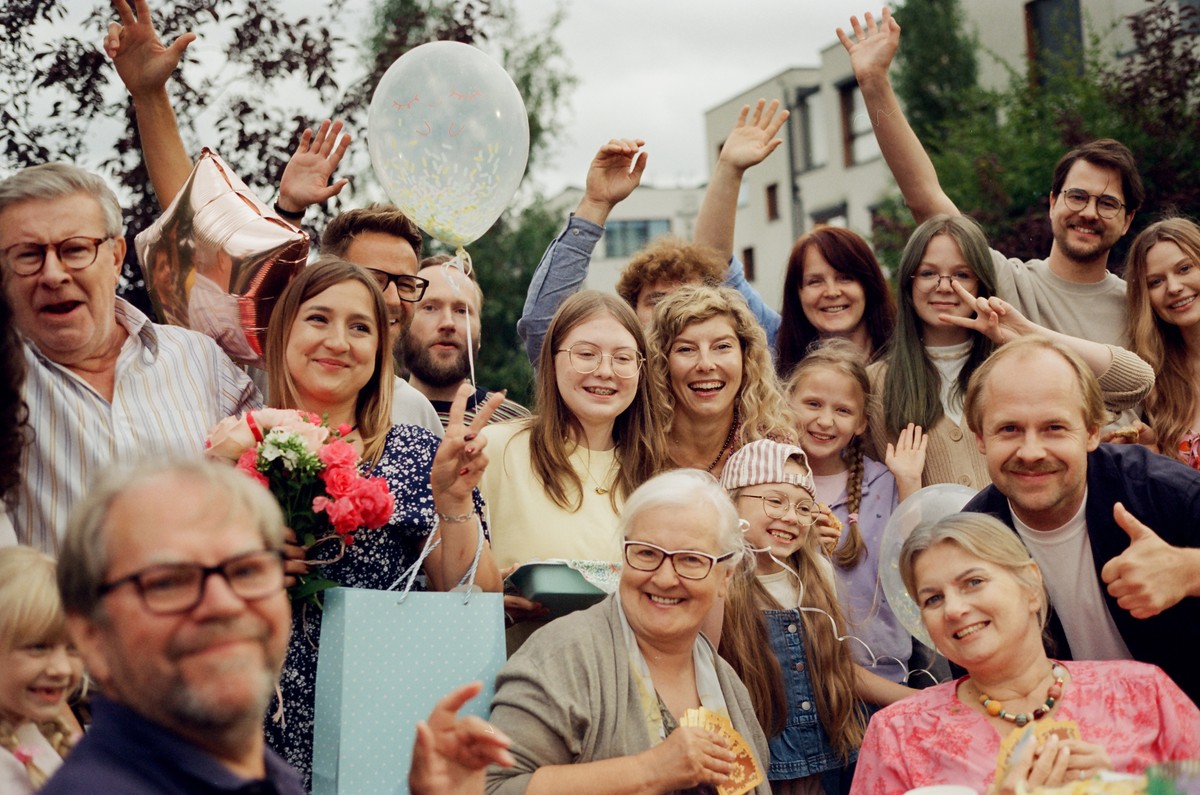
Otodom's latest report “Happy home. Let's create a happy neighborhood together” brings surprising conclusions. Only 27 percent inhabitants of Poland identify neighborhood only with the physical surroundings. As much as 58 percent associates them primarily with people living nearby. Moreover, 49 percent indicates the opportunity to make new friends as an important reason for moving, and 41 percent has acquaintances or friends in the area where he is moving.
— A home is much more than four walls protecting us from the hustle and bustle of the world, explains Anna Adrian, Head of Marketing at Otodom, initiator of the research and social project “Happy Home”. — These are the people next to us and the relationships that build us as neighbors, residents, and a community. This belief gave rise to the question that opens our report: what kind of neighbors do we want to be and in what neighborhood do we want to live? Because neighborhood does not happen by accident – it is created where there is openness and readiness to go beyond one's own apartment. As humans, we like independence, but it is difficult to feel complete without social roots. After all, we want to be alone, but not lonely. And this requires action. Although let us remember that building a “happy neighborhood” is not only a matter of the good will of individuals. It is also the responsibility of developers, managers, local authorities and community activists – explains Anna Adrian, Head of Marketing at Otodom, initiator of the research and social project “Happy Home” – adds.
Small gestures build community
Neighborly relations often begin with the simplest, everyday gestures. For 63 percent respondents, the most common form of contact with neighbors is a simple greeting or a smile when passing each other in a common space. For 53 percent these are short conversations in the stairwell, in front of the house or in the elevator. Every fifth person admits that regular walks with their dogs help them maintain contact with their neighbors – in some way replacing the former role of children playing in yards.
Polish residents value primarily the basic values in their neighbors: courtesy, kindness and respect (59%). For 46 percent readiness to help in urgent, minor matters is important, and for 36 percent — respect for peace, order and peace in the area.
Happiness has a measurable value
The study confirms a direct relationship between the quality of neighborly relations and the overall sense of happiness. People who rate support from neighbors highly declare an average level of happiness of 8.0 on a scale of 1 to 10. For comparison, among those who do not experience such support, the result is only 6.3.
— In recent decades, we have almost forgotten about the very idea of happiness, replacing it with other “s” words – success, satisfaction or self-fulfillment. Meanwhile, in Scandinavian countries, especially in Finland, happiness is understood differently – as a state of balance. Finns say it's somewhere between “too little” and “too much.” Perhaps friendship with a neighbor is the bit of happiness we are all looking for – adds Zuzanna Skalska, trend analyst from 360 Inspiration, Futures Thinking Group.
Data show that neighborly relations increasingly go beyond simple coexistence. On average, Polish residents consider 2.6 neighbors as friends, and they would call as many as 10 people from their home environment friends.
We want community, but we lack a leader
Although many Poles declare their desire to live in an active community, in practice the situation varies. As much as 43 percent does not engage in any organized forms of neighborhood activity. For 35 percent the main reason is lack of time, and every fourth respondent cannot indicate a specific reason. At the same time, 48 percent admits that there is a lack of people in their area who could act as leaders and animate the local community.
A key element of building relationships is a sense of security and trust – this is indicated by 43 percent. inhabitants of Poland.
— When we feel calm and safe, we open up to contact with others more easily. It is no coincidence that the level of safety in the area is also the most frequently checked information when planning a move – more important than the availability of shops and services (41%) or the price of real estate and the cost of living (37%), explains Agata Stachowiak, an Otodom housing market expert.
A future without barriers
The study reveals a paradox: the higher the level of housing closure, the greater the residents' satisfaction with neighborly relations. At the same time, the housing market is increasingly moving away from designing gated investments.
— At first glance, it seems that gates and monitoring ensure safety and, therefore, happiness of residents. However, if we look at the long term, we see something different: what we interpret as comfort and peace today may turn out to be a source of social isolation and fragmentation tomorrow – notes Rafał Kołodziej, strategist and researcher from Greenhat, Futures Thinking Group.
This is an important signal for the housing market: the future of urban planning and housing development lies not in building more barriers, but in creating places that foster relationships and a sense of community.


