The Kremlin supports Angela Merkel's statements about blocking EU-Russia negotiations by Poland and Baltic States


The Kremlin reacted on Tuesday, October 7, to the recent statements of former German Chancellor Angela Merkel, who said that Poland and Baltic countries prevented the efforts of the European Union to resume the dialogue with Russia before the large -scale invasion of Ukraine, started in 2022.
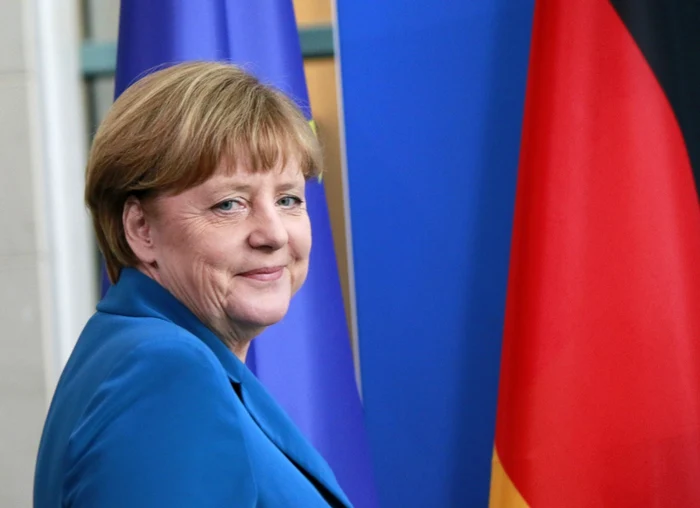
Angela Merkel. Photo: Shutterstock
“In many issues of foreign policy, the EU and Brussels are obviously hostage of the fanatic policies of the Baltic and Warsaw states.” said the Kremlin spokesman Dmitri Peskov, adding that “Mrs. Merkel is probably right in this regard.”
The statements come after an interview with Merkel to the Hungarian Partisan publication, in which he claimed that, in June 2021, Poland and the three Baltic states blocked a common initiative and the French president Emmanuel Macron to resume the dialogue with Vladimir Putin – a step that, according to the former Chancellor, could contribute to the prevention of the war. The Russian independent publication The Moscow Times.
“They were afraid that we will not be able to develop a common policy towards Russia,” Merkel explained, stressing that the lack of unity within the European Union led to the abandonment of the proposal. However, she said that Moscow “You don't have to win this war” And that Ukraine must remain a sovereign and free state.
The statements of the former German Chancellor caused a wave of reactions in Eastern Europe. Former Latvian prime minister Krisjanis Karins accused Merkel of “The wrongly judged Russia then and now,” and Estonian Foreign Minister Margus Tsahkna insisted that “Russia is the only guilty” for conflict.
In Poland, former prime minister Mateusz Morawiecki described Merkel straight “A lobbyist of Putin” and “One of the most harmful German political personalities of this century”, accusing her of encouraging Europe's dependence on Russian energy and indirectly providing support to the Kremlin.
The Kremlin has long argues that Western leaders had not sufficient pressure on Ukraine to comply with the fire termination agreements signed after the 2014 conflict in the east of the country-an argument used by Moscow to justify their invasion of 2022.