The most valuable stem cells in the human body. The Romanian state offers unique benefits for donors


Stem cells are the basis of the development of all organisms. Basically there are pluripotent cells that can be transformed into absolutely any type of tissue, depending on the need. They are considered very important in the treatment of incurable diseases and the Romanian state rewards donors.
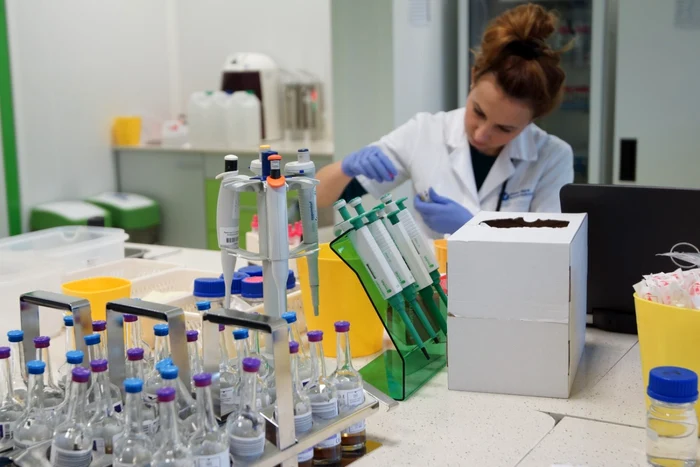
Stem cells are harvested from photo donors truth
Stem cell therapy is one of the newest and most famous treatments used to improve or treat several types of diseases. In general, incurable diseases are targeted. But what does stem cells mean and how do they act itself? It is a question to which different specialists and specialized publications have an answer. At the same time, stem cell therapy has also been born a series of controversies.
“Magicians” from the human body who can become what they want
Everyone has heard in the news or read on the Internet about stem cells and that it would be important for treating diseases. But not many know what they really are, where they are found and what they are used. First of all, stem cells are a special type of cells that have two important properties:
1. They are capable of producing several cells similar to them. That is, it multiplies and constantly regenerates.
2. They get to specialize and turn into all kinds of cells according to needs, into a process called differentiation. Stem cells are found in almost all body tissues.
And are necessary for maintaining the health and structure of the tissues, but also for repairing them according to different types of lesions. Depending on the place where the stem cells are located, they can develop in different tissues. For example, hematopoietic stem cells are located in the bone marrow and can produce all cells that operate in the blood. Stem cells can also become brain cells, cardiac muscle cells, bone cells or other types of cells. “Stem cells have potential for regeneration and multiplication and from these stem cells are formed muscle cells, liver cells, neuronal cells, and so on, precisely because they have the opportunity to specialize in different ways according to the needs of the body.”states the Botosanian doctor Corneliu Saradan, from the Botoșani Health Directorate.
It is good to know that there are various types of stem cells. More precisely, three main types: adult stem cells (also called tissue -specific stem cells), embryonic stem cells (ES) and pluripotent stem cells (IPS). Embryonic stem cells are the most versatile, because they can develop in all cells of the fetus. Most stem cells in the body have a lower ability to give birth to new cells and can only help maintain and repair the tissues and organs. No other cell in the body has the natural ability to generate new types of cells, such as stem.
Why are stem cells harvested?
The National House of Health Insurance, at the initiative of the Ministry of Health of Romania, offers a special reward to all donors of stem cells without income. This is a decade of free medical insurance. “People who donate stem cells and have no income can benefit from the quality of insured, without paying the contribution for a period of 10 years”, States Alina Mustiață, director of CJAS Botosani. This measure was recently announced in September.
Why are these stem cells so important that the Romanian state offers such a generous reward? Experts say they are very well -founded reasons. The most valuable are mesenchymal stem cells (CSM), harvested at birth. They are undifferentiated, multipotent cells, which can be self-renovated and can be differentiated into various types of cells of connective tissues. Their main therapeutic value lies in the ability to repair tissues, to regenerate sick tissues. At the same time, they can modulate the immune response, by anti -inflammatory effects and by release of growth factors. CSM are rich in Wharton gelatin in the tissue of the umbilical cord.
“There are stromal cells with varied potential and which can be differentiated into a wide range of cell types. The CSMs can be transplanted to a variety of people without being worried about being rejected by the body because they have demonstrated the ability to prevent side effects from the immune system. These transplants have anti-inflammatory effects, the body.states an international team of specialists in “Advantges of Mesenchymal Stem Cell Over the Other Stem Cells” appeared in Science Direct.
The benefits of stem cells, especially CSM type, are multiple. That is, it helps to regenerate damaged tissues, to treat blood disorders and to combat neurodegenerative diseases, until the reversal of the aging or infertility process. Perhaps the most important thing is that it gives hope to cancer patients. Especially those of leukemia. It is said to help the body fight this terrible disease.
At the same time, there are studies that indicate that stem cells are very useful for type I diabetes, a disease in which the body's immune system destroys insulin cells. Well, stem cells offer the potential to create new insulin -producing cells, improving or, potentially, healing the disease (no additional studies are needed if it can really lead to healing). A benefit of stem cells, which gives hope to many patients, is to reduce the risk of rejection of organs, at transplant. When the organs are grown from their own recipient stem cells, the risk of rejection is reduced, because the organ is not foreign to the body.
Where stem cells are harvested
Stem cells are harvested from several sources. Some are embryonic. That is, they are harvested from embryos between the ages of 3 and 5 days. At this stage, an embryo is called blastocyst and has about 150 cells. These are pluripotent stem cells, which means they can be divided into several stem cells or can become any type of cell in the body. This allows embryonic stem cells to be used to regenerate or repair diseased tissues and organs. In addition to these embryonic cells, adult stem cells can be harvested, which are found in most adult tissues, but especially in the bone and fat.
Compared to embryonic stem cells, adult stem cells have a more limited ability to give birth to various body cells. At the same time, the researchers also discovered stem cells in the amniotic fluid, as well as in the blood in the umbilical cord. These stem cells can be transformed into specialized cells. At the same time, there is a chance that adult cells can be modified in the laboratory to have properties of embryonic stem cells, with the help of genetic reschedule. By changing the genes in adult cells, researchers can cause cells to act similar to embryonic stem cells. These cells are called induced pluripotent stem cells.