Putin's statements from Sochi are part of the broader context of Russian historical policy, which – according to Western commentators – aims to justify the Kremlin's current actions and shaping the narrative in which Russia appears as a victim of someone else's mistakes, not the perpetrator of its own aggressive decisions.
Read also: Former President of Georgia: the EU must be ready for hybrid war with Russia
Vladimir Putin referred to President Karol Nawrocki
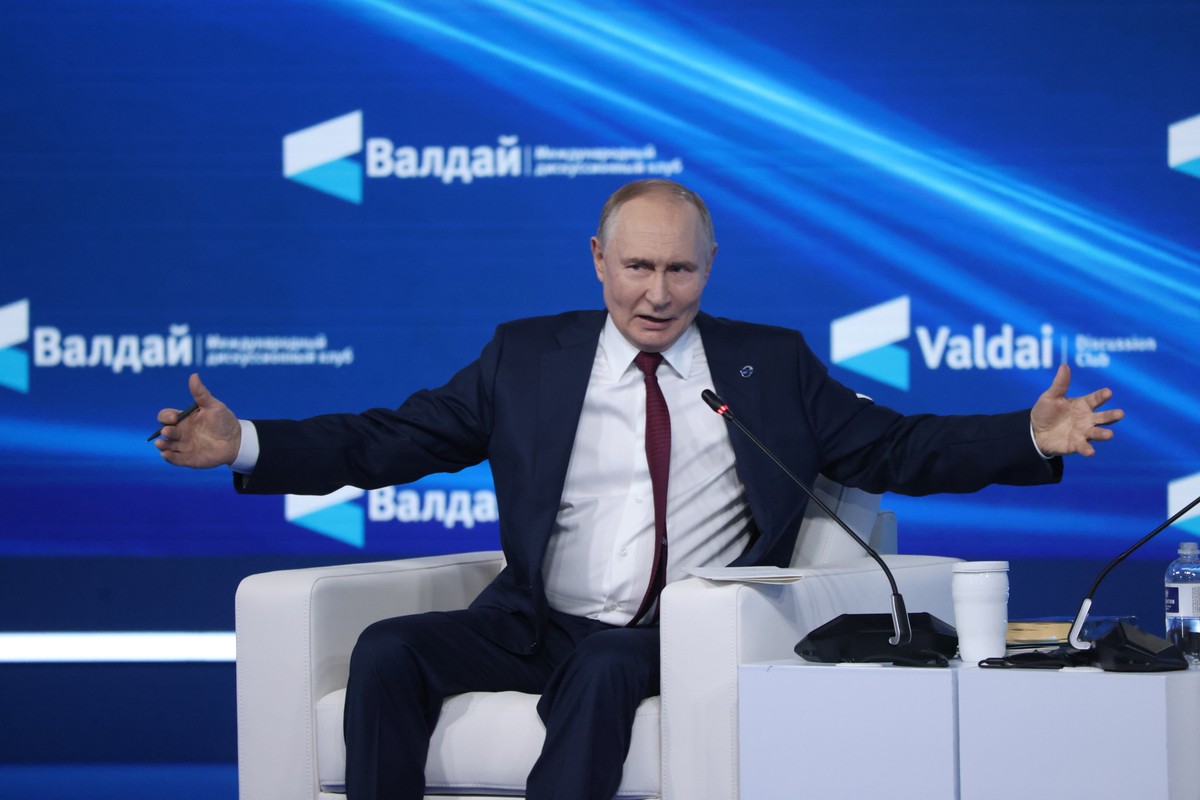
– Piłsudski was hostile to Russia. Guided by his ideas, Poland made a lot of mistakes before the war. At that time, Germany proposed to peacefully resolve the issue of Gdańsk and the so -called Gdańsk Corridor. The then authorities categorically refused, which made Poland become the first victim of Nazi aggression – said Putin, quoted by the TASS agency.
His comments were The answer to the words of the President of the Republic of Poland Karol Nawrocki, who a few days earlier on Radio ZET admitted that he sometimes “talks” to the spirit of Józef Piłsudski. Nawrocki explained that in these imagined conversations both historical topics and the Polish-Bolshevik war from 1920 are discussed, as well as the contemporary international situation after Russia's aggression in Ukraine.
The Russian leader also accused Poland that it did not agree to the passage of the Red Army through his territory in 1938, when the Soviet Union declared the desire to help Czechoslovakia threatened by Germany. “If today's Polish political elites remember the experiences of different eras and take into account mistakes made in the past, it will not be bad,” Putin added, referring to the contemporary debate about Piłsudski.
Read also: The elite thunder defends nicotine sachets. “Out of concern for the safety of soldiers”
Putin's historical statements regarding Poland regularly appear in his speeches and often serve political interpretations of the events of the 20th century. Experts remind that in the past the Russian president has repeatedly burdened the Second Polish Republic responsibility for the outbreak of World War II, marginalizing the role of the Ribbentrop -Mołotow pact and the aggression of the Soviet Union of 17 September 1939.
The Polish historical narrative is clearly contrary to these theses – for Warsaw, Józef Piłsudski remains a symbol of regaining independence and effective defense of Europe against the Bolshevik invasion in 1920. Contemporary references to his person, also in the political debate, are part of building a national identity, especially in the face of a ongoing war in Ukraine.