Circular economy is one of the most important directions for a sustainable future. At the center of this model is the idea of using the products as long as possible – by reuse, repair, and only ultimately, by recycling.
When it comes to electrical and electronic equipment, each decision to give up a device should be preceded by two simple questions:
1. Is it functional? If so, you can donate it to someone who needs it.
2. Stop working? However, there is the possibility of being repaired.
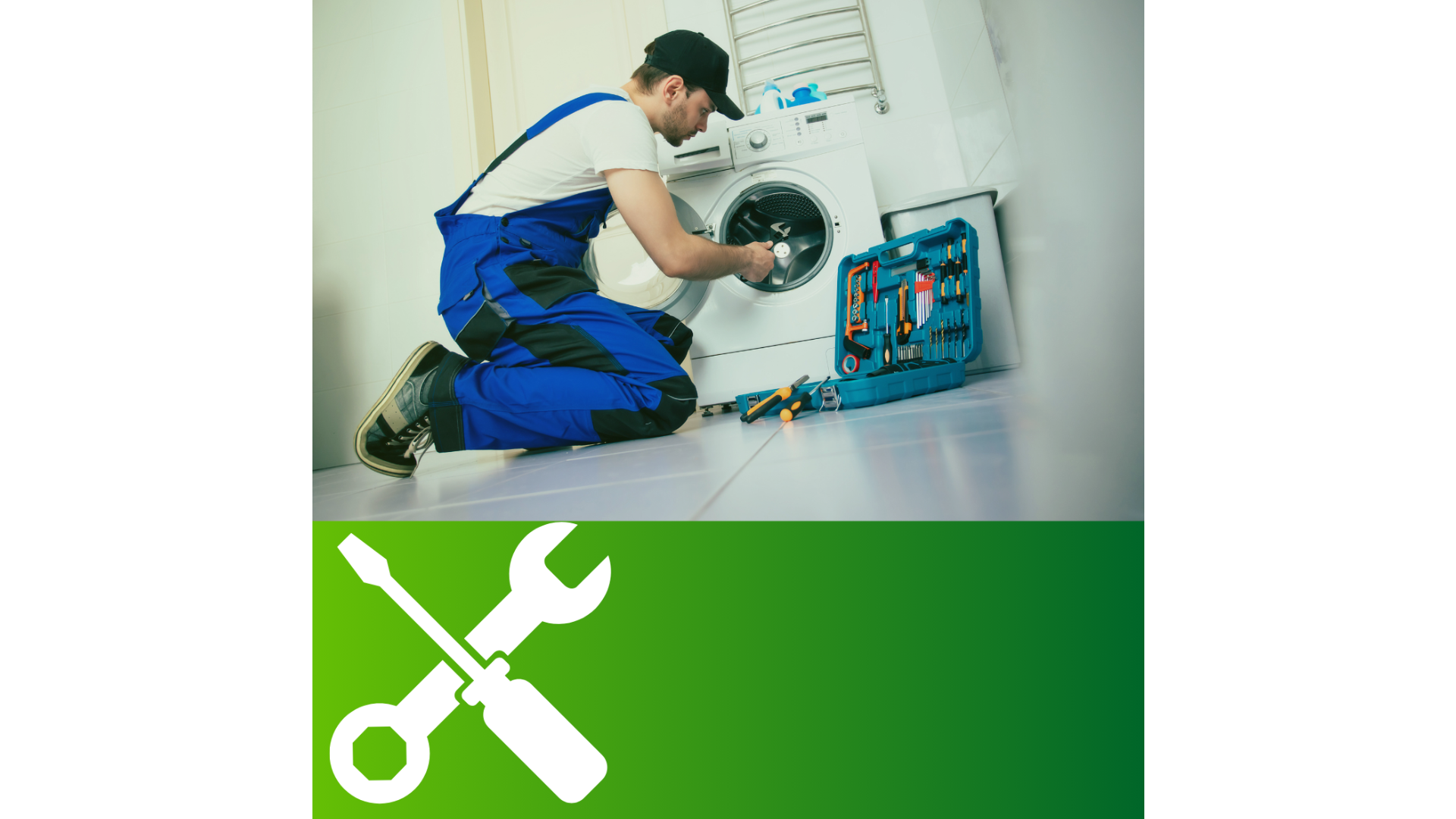
Repairing electrical equipment is not only a practical solution, but also one with multiple benefits:
- Lower costs – Repair is often cheaper than the purchase of a new product, which may involve a significant investment from the family budget.
- Environmental protection – Each repaired device means fewer electrical waste (WEEE) and fewer natural resources extracted for the manufacture of new products.
Repair or preparation for reuse? Two faces of the same solution
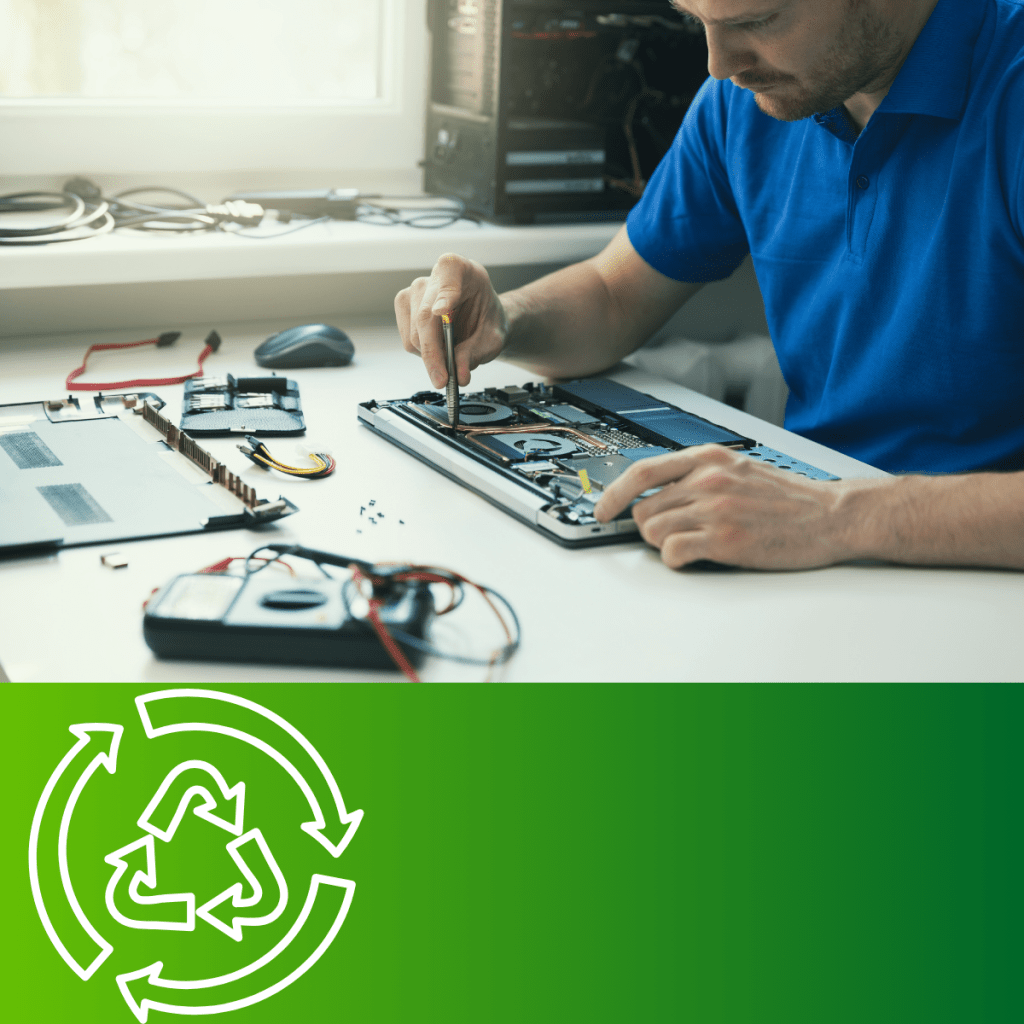
An essential aspect is to make the distinction between reparation and Preparation for reuse (often called “reconditioning”). Both processes aim to expand the lifespan of the equipment, but apply at different times of their life cycle. Repair It means interventions on a product that is still functional or defective, but has not reached the waste stage-these operations are performed in workshops or specialized services and aim to extend the use of the device by the owner. Instead, Preparation for reuse It is a treatment operation applied to the equipment that have already entered the flow of electrical and electronic waste (WEEE). By verifying, cleaning, testing and eventual repair, these equipment receive a “second life” and can be reintroduced to the circuit as functional products.
The European Union actively supports the idea of repair and adopted several measures in 2024:
Directive on the right to repair (adopted in 2024) – obliges the producers to repair certain products even after the legal guarantee expires. This provides for access to spare parts, diagnostic tools and technical information necessary for reparators.
ESPR Regulation (Ecological Design of Sustainable Products) – introduces requirements regarding the durability, repair, recyclability and imposes a digital passport for marketed products.
More EU member states already have concrete initiatives encouraging repair:
France -The anti-tissue law for a circular economy (AGEC)
Adopted in 2020 and gradually applied in 2021, this law is one of the most ambitious in Europe in the field of circular economy. Among his measures:
- Responsible public procurement – From 2021, the public institutions in France are obliged to buy goods from the preparation flow for reuse or containing recycled materials, in variable proportions depending on the type of product.
- The repair index -displayed on several electronic products (smartphones, laptops, dishwasher, vacuum cleaners, lawn mowing, etc.), this score from 1 to 10 shows how easy the product can be repaired.
- The repair bonus – Available from 2022 for electrical, electronic, textile and footwear, it covers some of the cost of repair, being deduced directly from the invoice paid by the consumer to an authorized reparator.
- The durability index – Introduced in 2025 for TVs and washing machines, completes the repair index and aims to reflect the real life of the product.
The Netherlands actively support “Repair Cafés” – Community spaces where citizens learn to repair objects with volunteers.
Germany offers subsidies for repair workshopsto make them more accessible to the general public.
Romania has a deadline by July 2026 to implement European Directive on the right to repair. Until then, there are already initiatives in the field, the preparation for reuse, which contribute to the reduction of waste and support vulnerable communities.
An example is the project “Enter the circle of solidarity!“a national campaign for collecting and reconditioning IT equipment, carried out by Ecotic organizations and workshops without borders. The purpose? Donation of reconditioned computers to schools.
The “national campaign” enters the circle of solidarity “has given us the opportunity to highlight our expertise in the refurbishment of IT equipment, but especially to create real bridges between the economic environment and the vulnerable communities. By our direct involvement, hundreds of computers, which otherwise became waste, have been transformed into an education and not only the process. The safe deletion of the data, giving partners trust and transparency. Florin Niculae, Director of Development, Workshops without Borders
“Reuse is one of the most valuable forms of responsibility towards the environment, but also towards people. Through the partnership between Ecotic and Workshops without borders I had the opportunity to see how electronic equipment gets their second life, becoming precious resources for digital education and for reducing social gaps. Romania demonstrates the real impact we can have when we put sustainability and solidarity in the center of our actions. Sabina Pîrvulescu, Ecotic Operational Director
The repair of electrical equipment is a simple gesture, but with major effects – for the personal budget, for the environment and for society. Each device saved from the trash can mean a saved resource, a supported community and a concrete step towards a real circular economy.
About Ecotic
Ecotic is an organization dedicated to promoting the circular economy, working in the field of waste management and electronic equipment (WEEE). Through constant activities of separate collection, preparation for reuse, recycling and recovery of raw materials, Ecotic contributes significantly to reducing the negative impact on the environment and to the reintegration of valuable resources in the economic circuit. At the same time, Ecotic develops and implements an extensive network of collection points for WEEE, providing the public easy access to solutions responsible for managing these types of waste.
Article supported by Ecotic