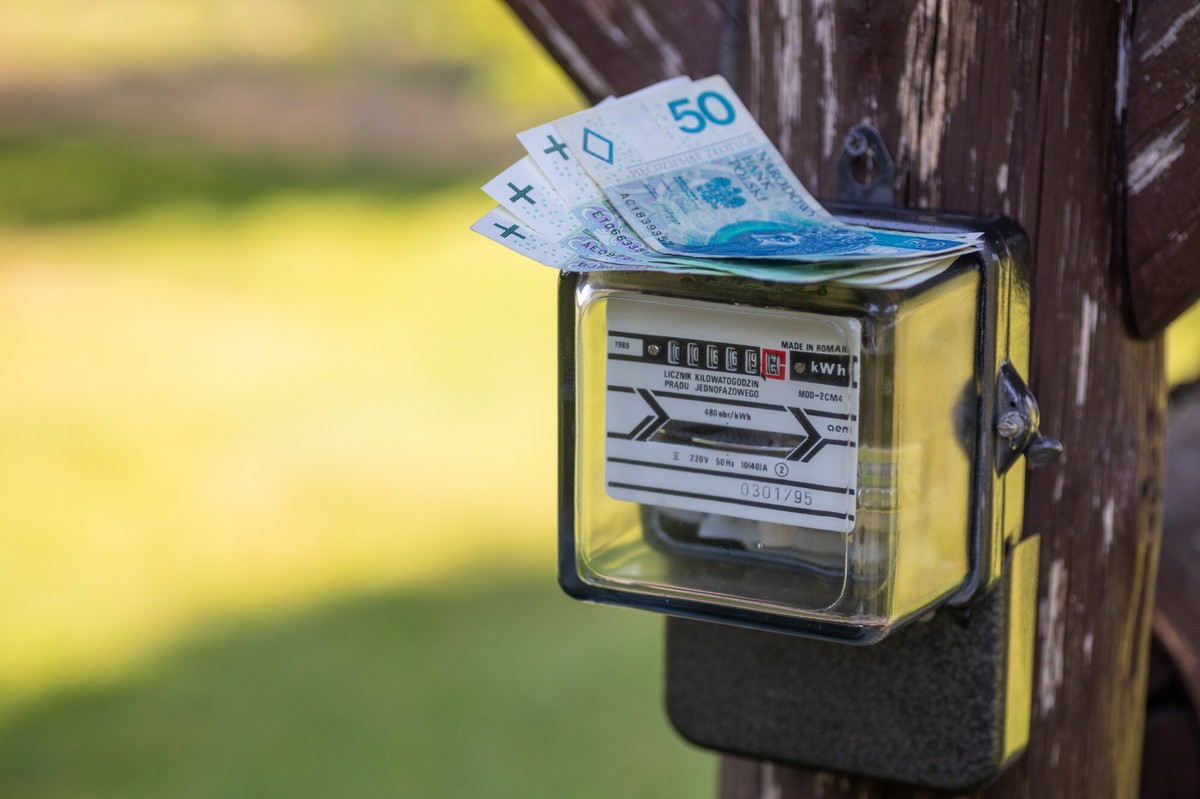
In Poland, the G Tariff Group covers about 16.5 million recipients. According to the Energy Regulatory Office in 2024, over 10 million farms used the tariff offers of ex officio sellers, and about 6.5 million of free market offers. Changing the tariffs to the last quarter of 2025 has a direct impact on millions of Polish families for whom it means real relief in electricity bills.
Read also: Donald Trump about Russia: “I sent an atomic submarine”
Electricity tariffs. The Energy approved the rates
The regulator emphasizes that the reduction of tariffs results from both the current situation on the energy market and the government's activities aimed at minimizing costs for recipients in the transition period before full liberalization of the energy market. In practice, consumers can take advantage of reduced rates as soon as new tariffs enter into force, and the state surcharge to the frozen price provides additional financial security in households.
The URE points out that lower tariffs are part of a wider strategy for stabilizing the energy market in Poland, combining regulatory activities, state support and gradual preparation of recipients for transition to free market offers in the coming year.
According to published decisions, the regulator shows that The basic G11 tariff for recipients in group G in PGE Obrót will be PLN 576 per MWH net. Enea also introduces a rate of PLN 576, and Energa-Obroty-PLN 574.6 per MWh.
Read also: The government adopted the Frankowa Act. What does it mean for consumers?
In the case of Tauron, sales tariff price was set at PLN 576.7, while Tauron sales GZE – PLN 574.1. For comparison, the current tariffs of sellers ex officio until September 30, 2025 are an average of PLN 622.8 per MWH net, which means a clear reduction in energy costs for customers.
The Minister of Energy talks about the end of freezing electricity prices
Minister of Energy Miłosz Motyk emphasized in a statement that The URE decision is “an important step towards departing from freezing electricity prices in 2026”.
– Price freezing is a temporary solution. We take a number of actions so that it is no longer needed from the new year. Lower tariffs also mean lower costs of state subsidies and more funds in the budget for other important expenses, such as security, health care or social support – Motyk pointed out.