Why did the Red Gagauzia remain in the elections in the Republic of Moldova? “Here the rational arguments do not work, because Russia uses the basic instincts of people.”


“Maia Sandu became the number 1 target of Russian propaganda, even competing Volodimir Zelenski,” says journalist Mihail Sirkeli, in a dialogue at Podcastul Hotspot from Hotnews. He explains why the autonomous region in the south of the Republic of Moldova remained under the influence of Moscow.
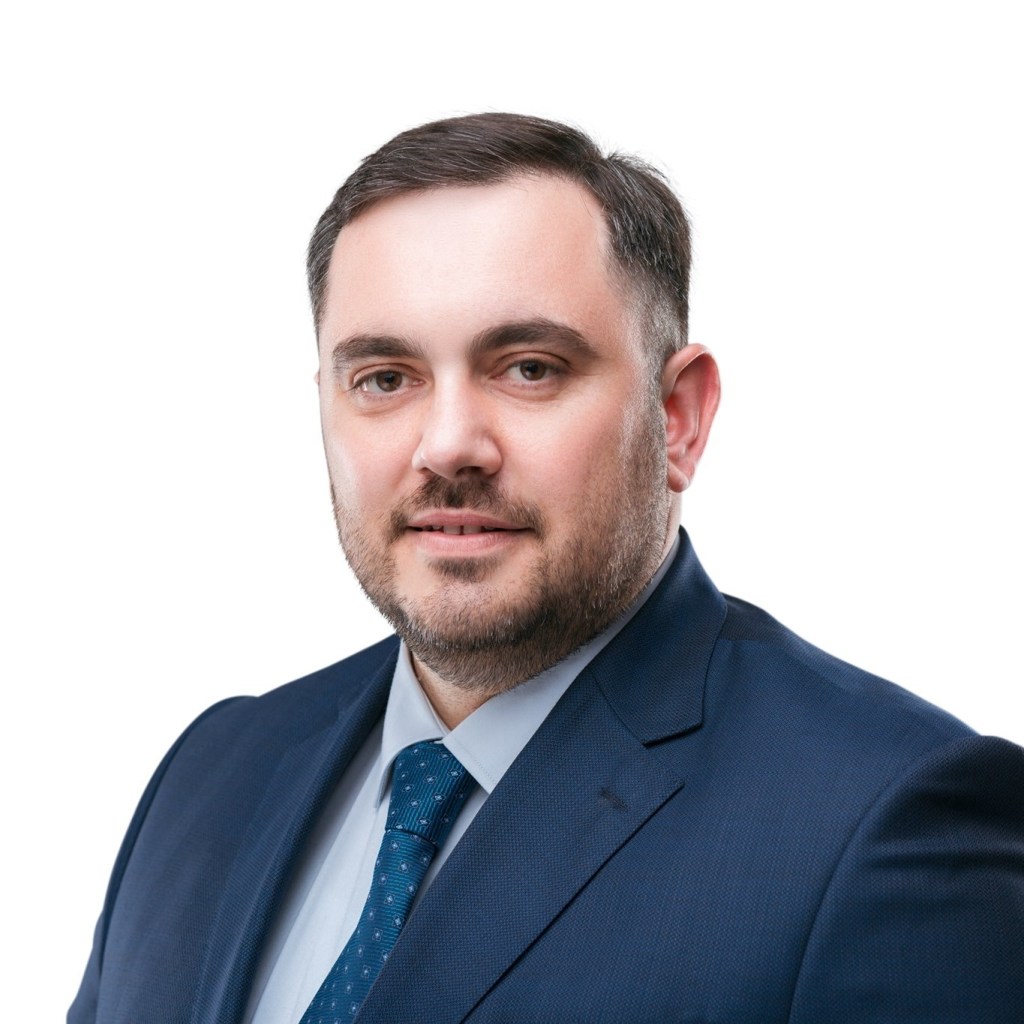
“Gagauzia voted mostly for the Kremlin parties. The rational arguments do not work here, because Russia uses the basic instincts of the people. The instinct to dominate, ”says journalist Mihail Sirkeli, editor of the Nokta.md portal and executive director of Piligrim-Demo, an organization that promotes democratic values and human rights in the autonomous region.
He explained on Monday in a dialogue for the public Hotnews.ro, why southern the Republic of Moldova had different results compared to most districts in the country in the parliamentary elections on Sunday.
In Gagauzia, the opposition parties brought together in the patriotic block led by Igor Dodon registered over 80% of the votes of Moldovans, while over 10% of the votes went to the “Alternative” electoral block, coordinated by the mayor of Chisinau, Ion Ceban. The Party Action and Solidarity of President Maia Sandu obtained only 1,825 votes, ie about 3% of the total votes.
“We must thank these people for not lost their common sense in this hysteria that I have felt in Gagauzia in the last 3-4 years, that is, the hate supply against Maia Sandu and the PAS Party, ”says Mihail Sirkeli in the Dialog of Hotspot, the political podcast of HotNews.ro.
https://www.youtube.com/watch?v=arh-rqqh6ri
How Gagauzia arrived in Moscow's hand
Gagauzia is at the intersection of several contradictions, all gathered as a bouquet of the fact that the inhabitants speak Russian. After two decades of autonomy, the region of southern the Republic of Moldova still lives in the political, informational and even sentimental space. Where Chisinau left a vacuum – Gagauzia being the only region where compulsory education in Romanian – Russia insinuated.
Gagauzia is a territory in the south of Moldova, with about 150,000 inhabitants, according to the data published by the region authorities, and with a special administrative status. It is an integral part of the Republic of Moldova, but the Constitution of the country consecrates it as “autonomous territorial unit with special status”.
In this sense, it has its own budget and legislative authority (a unicameral folk assembly), as well as an executive authority represented by the Executive Committee headed by Bascan, the highest public official in Gagauzia, chosen by the vote of the citizens of the territorial unit to which all the public administration bodies in the territorial unit are subordinated.
Mihail Sirkeli explains the Russian influence in the autonomous region through the historical filter, reminding that the Gagauz and Bulgarians in the southern Republic of Moldova were brought by Tsarist Russia to colonize the south of the country. “The two communities have always been under the information control of Russia.”
Fear and hatred towards the “Romanian gendarmerie”
He reminds the ways in which Moscow has vulnerabilized the two communities:
“After the Second World War, the USSR first brought here the hunger from '46 -'47, which took the lives of almost 60% of those who lived in the villages with a Gagauz and Bulgarian population. Practically, this changed the population identity. Then followed the deportations and intense Russification. The region was the part of Romania.
Thus, at the end of the 1980s, after the collapse of the USSR, when the national rebirth movement began in Chisinau, the people here, already hating and afraid of the “Romanian gendarmerie”, feared. In this context, the Russian KGB has manipulated the fears of people very effectively, culminating in affirming an unrecognized Gagauz republic, which lasted four years. Finally, Chisinau found the solution to give the Gagauzians a special legal status, that is, an autonomous region ”.
“You will not find any local deputy to be paid by Moscow”
Mihail Sirkeli says that the autonomy of the Gagauzians would give them more possibilities of economic and cultural development, but the community here and the local political class are not used by these possibilities. “They use this autonomy to promote the interests of the Russian Federation, keeping the community under the informational influence of Moscow. In addition, the political class is absolutely bought by Russia – you will not find any deputy in the local Parliament to be paid by Moscow,” the journalist from Comrat shows.
From his point of view, changing the identity of the Gagauzians, Moscow was easier to seduce the people here with the promise of a better life in “Russkii Mir”, that is, in the Russian world: “Russia now sells the imperialist idea even the Gagauz. It is promised that Russia will dominate Europe, and they will be important in this project.
The Gagauz struggle with the West, from the West
Mihail Sirkeli says that not even contact with Western values made the people here change their opinion:
“There are gags that, especially since 2014, have moved to Europe. For example, half of my village is now in Germany. Until then, they worked in Russia, but as a result of the sanctions received by Russia after the annexation of Crimea, their income decreased, and they reoriented.
However, even if they live in Germany, they remain in the same informational bubble and continue to believe that the West will collapse and that Russia will thrive. We know these messages since the Soviet Union! If we look at 1989, we see that the Soviet Union collapsed, not the West. But people continue to believe this rhetoric. “
The results of the elections in the Republic of Moldova
After centralizing the verbal processes from all 2,274 sections in the Republic of Moldova and Diaspora, the results of the Sunday's parliamentary elections show that PAS has won with 50.20% of the votes, which provides 55 mandates and the parliamentary majority, according to the preliminary data published by the Central Electoral Commission.
“The patriotic block “obtained 24.17%, which means it will have a total of 26 mandates, according to the projections. The” Alternative “electoral block obtained 7.96%and will have 8 parliamentarians, and our party (6.20%) and” Democracy at home “(5.62%) will have six mandates, according to projections.
Until October 5, 2025, the central electoral commission is to approve the minutes regarding the results of the voting in the country and to draw up the report on the results of the elections. Within 10 days after receiving the documents from the CEC, the Constitutional Court confirms or infirm the legality of the election and, as the case may be, validates the mandates of the elected deputies and the lists of the alternate candidates.
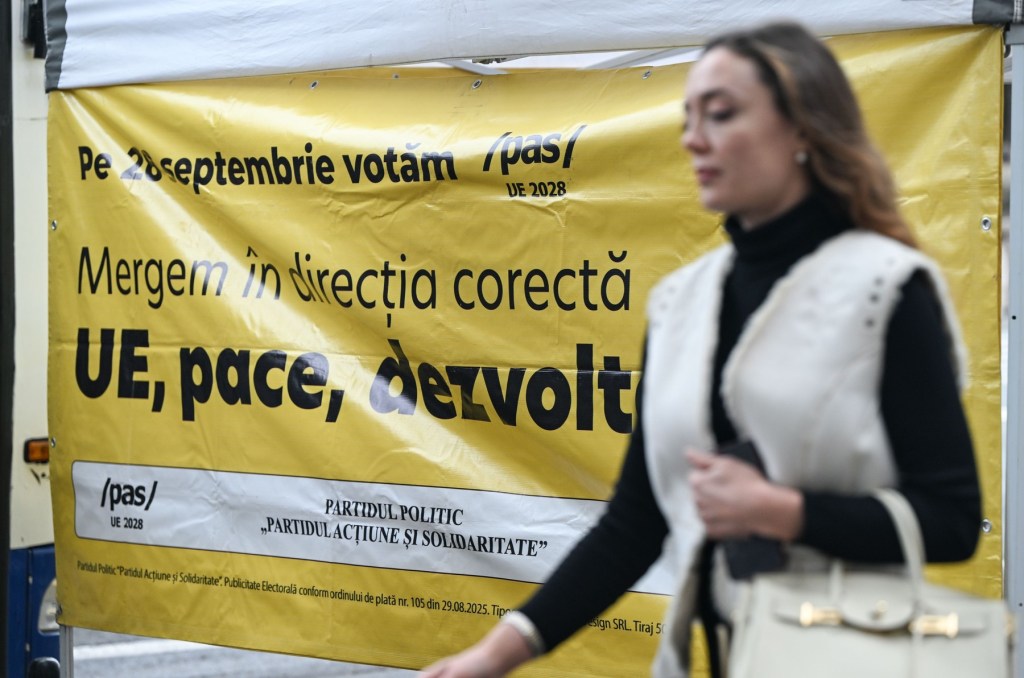 Live results parliamentary elections Republic of Moldova 2025. The Maia Sandu Party has again obtained the majority in Parliament / PAS has over 50% of the votes, double compared to the patriotic block / approximately 200 people, at the protest initiated by Dodon: we challenge the result of the vote – VIDEO