Putin was compromised. This is how Russia's summer offensive falls

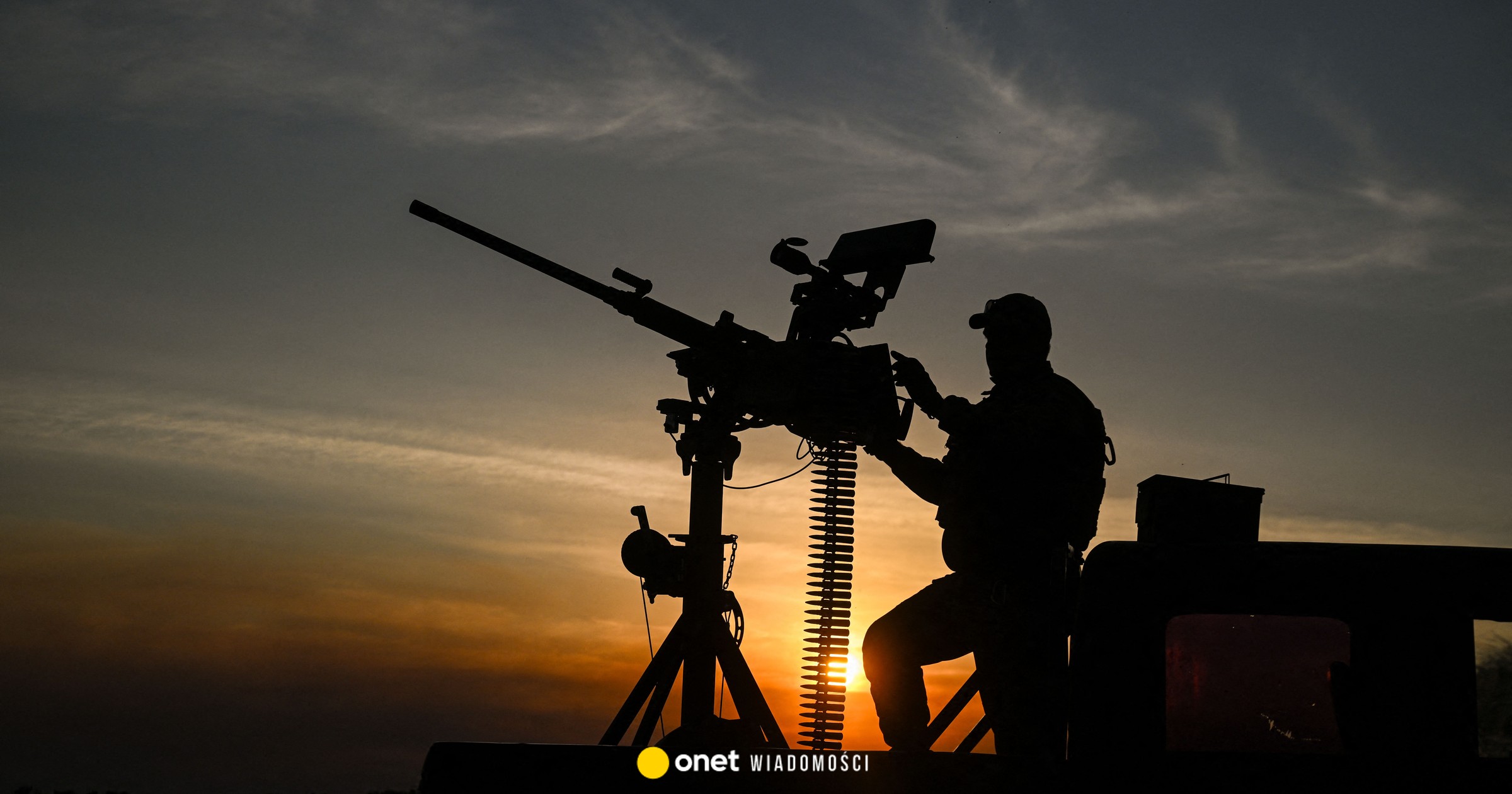
Summer offensive? Words like these have a source in the imagination of politicians and journalists – you hear in conversations with Ukrainian soldiers. War is a war, they say, it's about examining the opponent and getting the area or withdrawing when you become clear that The losses and benefits are no longer proportional.
Summer is coming to an end, a damp autumn is approaching, and the mud season known to soldiers. Regardless of whether the summer offensive occurs, a period of greater improperness will begin on the battlefield.
In 2023, the President of Ukraine Volodymyr Zelanski predicted the “summer offensive”, but there were no significant breakthroughs on the front. This had dramatic political consequences because it was created in the international stage and among the supporters of Kiev the impression that Ukraine has no chance. In subsequent years, Zelanski did not make this mistake.
However, Russian President Vladimir Putin did it. Announced that the decision was made to “create the necessary security zone along the border [w kierunku Sum]”. Russian forces” currently deal with this problem. “It was at the end of May.
At the end of September from a Russian point of view Nothing has been “dissolved”. The city of a sum in the north-eastern part of Ukraine, even after many months of fighting, is not within the artillery range of Putin's army.
Continued article under video material
Progress in this region does not reach up to 10 km in Ukraine. These are no longer even progress, but rather a retreat. Kiev's forces went forward in the north of the catfish District and nearby – says the American Institute of War Studies (ISW) in its current assessment of the situation on the front.
Performance months, minimal profits
Recently, the Chief of the General Staff of Russia Walerij Gierasimow explained that his armed forces had significant victories during the “summer offensive” and won thousands of square kilometers of territory. However, Russian military bloggers described his information – for example, that the city of Kupiańsk was already half captured – as “strongly exaggerated”. According to ISW, Putin's army actually conquered 130 towns between the beginning of March and the end of August, but among them there was not a single larger city.
What is happening in the SUM region reflects the situation around the front: these are constant changes in the situation with large losses on the side of Russia. Even if Putin's army manages to conquer the area, they are mainly arable fields, rows of trees or small villages.
Only in Kupiańsk, in the east of the Kharkov region, the Russian army managed to enter the city. The situation there is really dangerous. Currently, there are fights in Kupiańsk. However, in this case it was preceded by months of expensive offensive, which brought minimal territorial gains.
Simultaneously Ukraine has recently achieved several spectacular successes. For example, the Russian offensive at Dobropol finally turned against Russia. On the one hand, Moscow wanted to demonstrate her dominance before Putin's peak with US President Donald Trump in Alaska, and on the other hand to go to the strategically important city of Kramatorsk. For a short time, the situation of Ukraine on this section of the front looked very gloomy.
However, according to observers, many Russian prisoners of prisoners were lap in the region, and the Ukrainian offensive was replied by the Kremlin's troops. According to military information, the Ukrainian forces also managed to destroy the supply column, hit the command responsible for this section and the staff there, as well as paralyze communication infrastructure in the region.
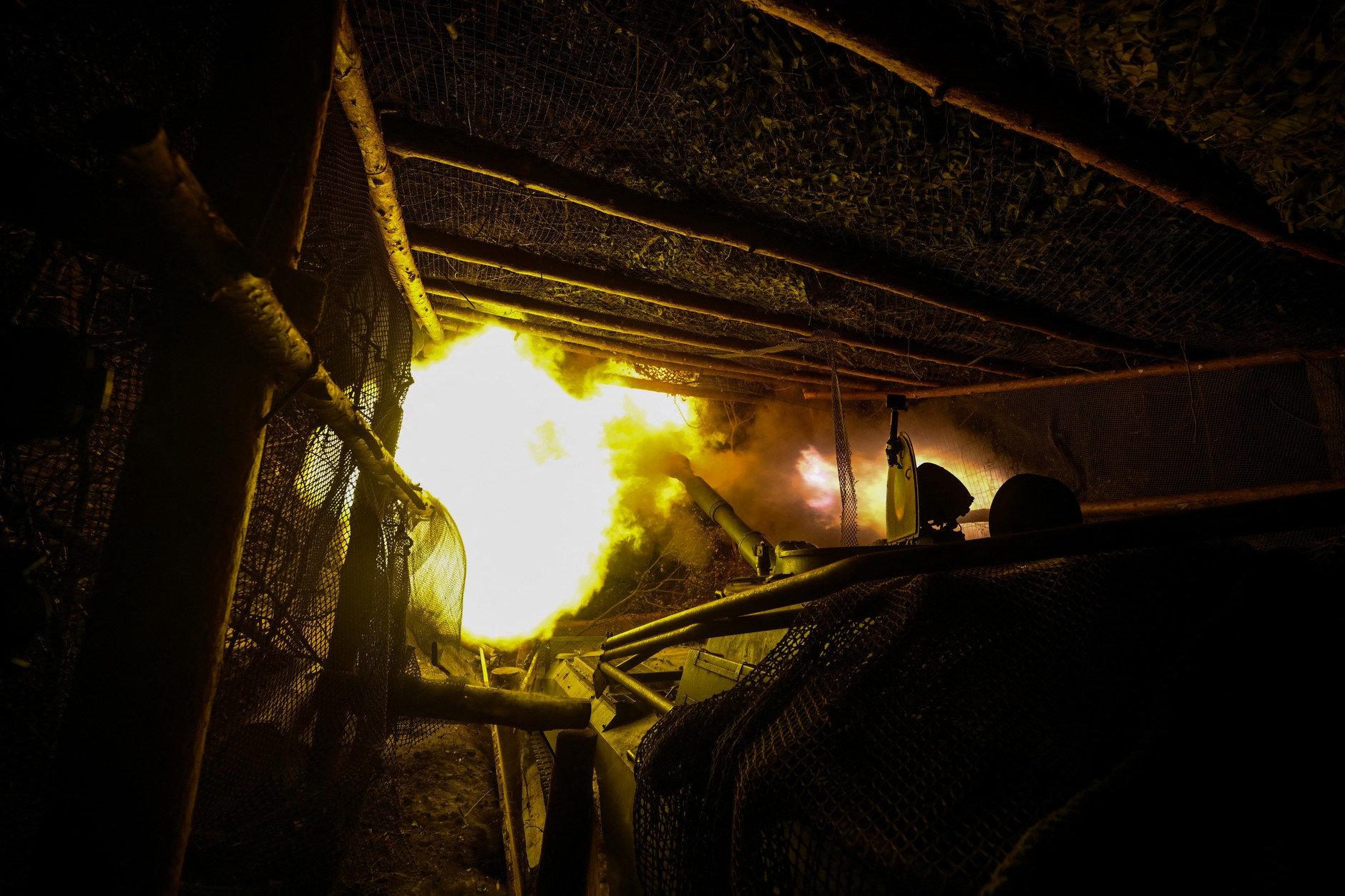
War actions in Ukraine, Donetsk region, September 4, 2025.Dmytro Smolienko / AFP
War
President Wołodymyr Zelanski spoke on Thursday during a visit to the place about the greater successes of his troops. During the counterattack near Dobropol, approx. 160 sq km and seven cities were recovered, and another 170 sq km was “cleaned of the enemy”. In addition, about 100 soldiers of Putin's forces were captured. The president estimated losses on the Russian side at 2.5 thousand. soldiers, including 1.3 thousand killed.
Zelanski's data could not be independently verified. It is only known that Ukrainian forces want to break the “pliers” created by the Russian army around Pokrowska using a counteroffensive. It is not yet clear how durable it will be. According to information from Kiev, liberated towns are still on territory covered by fights. This even makes it difficult for experienced military observers to determine the exact course of the front line.
While there is a warming war on the front, a potentially decisive factor appears in this war: Ukraine is much less dependent on the supply of weapons from the West than just a year ago. According to information from Kiev, about 60 percent The demand is currently covered by its own industry. Production in cooperation with Western partners in Ukraine and abroad is gaining momentum. Currently, Ukrainians even produce their own long -range weapons to destroy bunkers and not only ask for armament, but also strive for investments in their industry.
On Friday, Zelanski announced the start of the program of controlled weapon exports. The president explained that Ukraine produces surplus of some modern systems, such as sea drones and anti -tank weapons, and intends to export them to finance the production of additional drones for Ukrainian forces.
Ukrainian advantage
And if Russia's goal was to discourage European partner countries to support Ukraine with the help of drones over Poland and Romania, then this action initially brought reverse: NATO countries are now queuing in Kiev to use Ukrainian specialist knowledge in the field of drone combating. During a visit to Kiev this week, the Polish defense minister Władysław Kosiniak-Kamysz signed an agreement with his Ukrainian counterpart Denys Szmyhalem, which predicts that Ukraine will train the Polish army in the field of drone control.
Defense against the attack showed NATO that his own methods are both ineffective and too expensive if the attacks were to get worse. “We are ready share our experience and train Polish military and engineers in the use of defense systems in various areas, especially in airspace, “wrote Szmyhal after the meeting.
Ukraine is also active in the territory of the enemy: for months it has been very systematically attacking Russian oil infrastructure. Russia's income from this sector has already dropped by about a quarter throughout the year. In addition, low prices on the global market in the first half of the year and a stronger ruble. Revenues from the sale of oil and gas constitute about a quarter of the Russian state budget. In the meantime, Moscow even considers cutting expenses and tax increases.
While Ukraine attacks the Russian oil industry, Putin's army continues attacks for civil purposes: On the night of Friday to Saturday, as a result of intense raids, three people were killed and several dozen were injured – said Zelanski on social media. Russia fired 40 rockets and about 580 drones.