Why is it not good to eat apples until Sânpetru: traditions, superstitions and secrets from the Post of Saints Peter and Paul

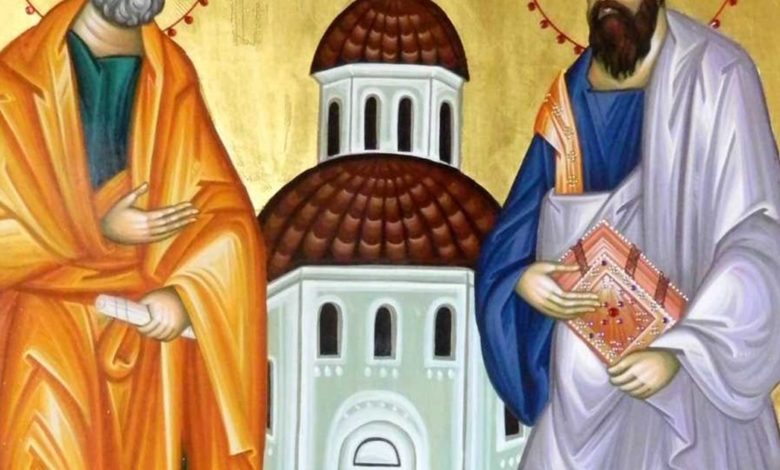
The post of Saints Peter and Paul began Monday, June 16, 2025, opening a period of reflection, purification and return to the values of faith. Although shorter and milder than the Passover or Christmas Post, this period has a deep symbolic load, being related to two of the most important apostles of Christianity.
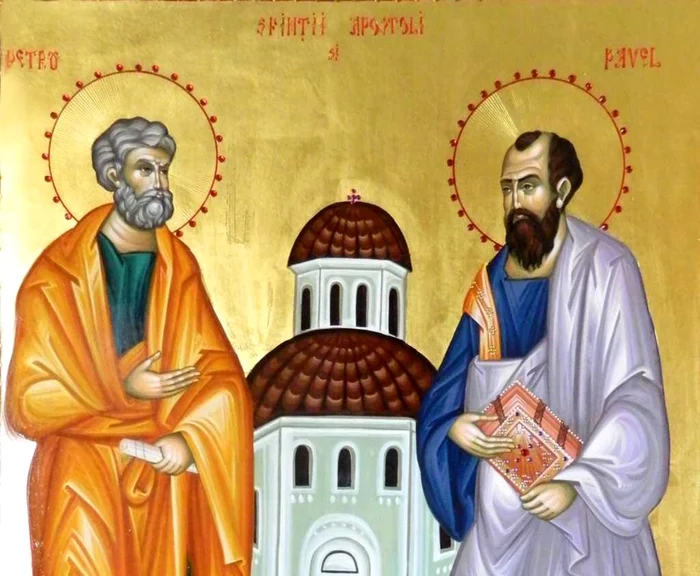
The Holy Apostles Peter and Paul PHOTO BASILICA
On June 29, Orthodox Christians celebrate the Holy Apostles Peter and Paul – consider “The pillars of the church” and models of unwavering faith. Tradition says that they died on the same day, in 67, during the persecutions triggered by Emperor Nero. Therefore, they are celebrated together, as two martyrs who have changed the destiny of Christianity through their deeds and sacrifice.
Known in the people as the post of Sânpetr, this period has, beyond the spiritual aspect, a strong traditional dimension. Old habits are respected, superstitions are transmitted, and many believers choose to fast not only from godliness, but also to cleanse their bodies and souls.
The holiday of June 29 also marks the end of the post. It is a day of prayer and joy, but also of family holidays, as over 500,000 Romanians celebrate their onomastics. Names like Paul, Petre, Pavel, Peter, Petrică, Paula or Petrua or Petra will be heard in wishes and messages from all over the country.
The post of Saints Peter and Paul 2025: Short in duration, deep in meaning
The post of the Holy Apostles Peter and Paul varies in duration according to Easter date, and in 2025 it is among the shortest in recent years: it starts on June 16 and ends on June 28, before the June 29 holiday.
Although gentle from a food point of view, this post has a strong spiritual load. It is a period of interior cleaning, dedicated to prayer, good deeds and soul preparation, in honor of the two great apostles – Peter and Paul – symbols of unwavering faith and Christian mission.
The diet of the post It is balanced, with several days of unraveling:
- On the first day of the post, Monday, June 16, there is fish release, marking the beginning with joy and moderation;
- Wednesday and Friday are harsh days, without oil and wine;
- Tuesday and Thursday can consume oil and wine;
- Saturday and Sunday are offered to break the fish;
- Another important exception is Tuesday, June 24, when the Church celebrates the birth of Saint John the Baptist – a holiday popularly known as Sânzienele – a day on which there is also a fishing.
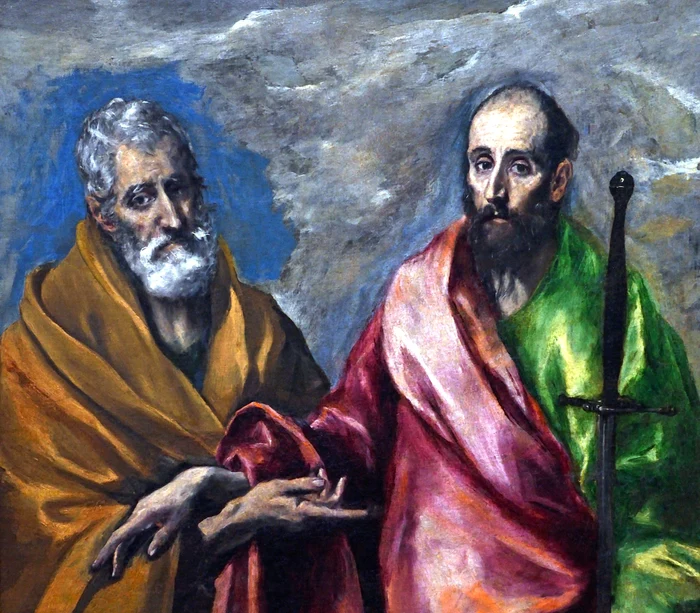
Reproduction of the work “Saint Peter and Saint Paul” initially painted by El Greco Adevărul
Licurics and traditions of Summer Sânpetr
In the Romanian villages, the post of Saints Peter and Paul was marked by quiet, prayers and gentle work. It was used to women not to go, wash clothes and not sew on the days of the saints. For the souls of the sleeping, cherries, coles and wine were given. On the eve of the holiday, people were holding watch, and on June 29 they went to the church dressed in clean straps. Many of these habits are still preserved today.
June 29, also called Sânpetru of Summer, marks in the popular calendar the middle of the agrarian summer and the beginning of the harvest. This day has a deep significance, combining the Christian traditions with the ancient beliefs of the Romanians. Saint Peter is considered the patron of agriculture and licorice, who, according to the popular legend, are the sparks of his heavenly whip.
An important habit respected during this period was for young girls and women not to eat apples until Sânpetru. This gesture of humility and respect is meant to bring health and peace in the family, being a proof of close connection with the world of the departed and the ancestral beliefs.
Superstitions and folk beliefs related to the post of Saints Peter and Paul
In folk mythology, Saint Elijah is the master of thunder, rains and hail, while Saint Peter, “The wearer of the keys of heaven”, “Bumps from the whip” over heaven. The detached sparks turn into licorice, magical lights that watch the fields in hot summer evenings.
According to legends, when people deviate from faith and ordinance of the world, Saint Peter unleashes hail, but out of heavenly mercy it does not completely destroy harvests.
That is why, on this day, tradition forbids the torso – it is believed that the strands turned can turn the colas sent by the apple for those asleep. Also, until Sânpetru, it does not shake the apples, to be protected by hail. If tuna or lightning on June 29, the elderly say the nuts and peanuts will be worm.
It is also said that, on this day, the cuckoos and the gaze cease to sing, transforming symbolically into the hawks, and their voice will be heard again only at the Good News.
Also on this day, no traps are put for wolves, because the holiday is also dedicated to wild animals, which must be symbolically tanned.
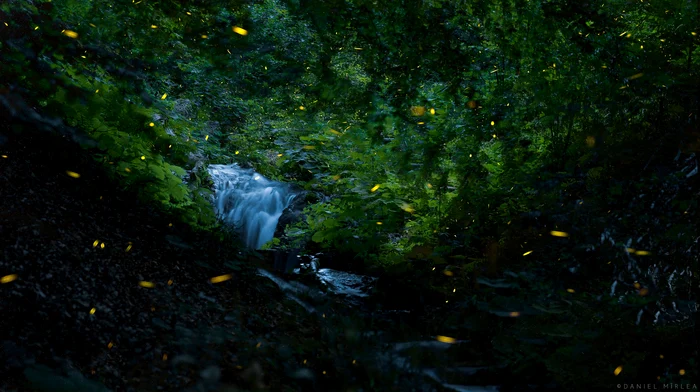
Licurics The sparks of Saint Peter's whip, lit on the night of Sânpetru Photo Daniel Mîrlea
The Romanian folk tradition is therefore rich in superstitions related to this period. Here's what's good and what is not good to do:
What is good to do in the post of Saints Peter and Paul
- It lights up a candle every evening throughout the job, to drive away the troubles and to attract the divine blessing.
- He faithfully speaks the prayer of Saints Peter and Paul, considered strong for the unraveling of sins and receiving forgiveness.
- Give eggs, cherries and coles, for the peace of the souls of those who are asleep and increase in the house.
- Ask forgiveness to those with whom you are quarreling – fasting is a time of reconciliation and sharing of love.
- It respects traditions: it avoids the torso, washing and sewing on the days of the saints, to maintain the peace and holiness of this period.
What is not good to do in the post of Saints Peter and Paul
- Do not consume meat and dairy products, even if it is a milder post – it is believed that non -compliance can bring diseases and deficiencies.
- Do not work on June 29, especially women – it is said that who works on this day loses their luck and attracts “The fire of the saints”.
- Avoid quarrels and gossip – the mouth that speaks bad during the post “He does not know peace all year.”
- Don't tread barefoot on the ground – tradition says that “Eat your trouble”if you do not respect the nature and holy period of fasting.
- It does not put traps for wolves on this day, because it is also a holiday of wild animals, which must be respected and symbolically protected.
The post of Saints Peter and Paul: the symbol of spiritual forgiveness and transformation
The post of Saints Peter and Paul is not only a period of food restrictions, but a time of deep reflection on the power of faith and sincere repentance. The two great apostles – Peter and Paul – were not of birth, but people with a troubled past, who knew the mistake, repentance and spiritual rebirth.
Peter, the simple fisherman of Galileea, was chosen by Christ and appointed “Chifa” – I mean “stone”the foundation of the future church. Although he was rejected by his teacher on the night of arrest, the bitter tears of repentance carried him on the path of faith. He preached in Jerusalem, Asia Minor and, finally, in Rome, where he was crucified with his head down, at his request, from humility, because he did not consider himself worthy to die like Christ.
Paul, the former Saul of Tarsus, was a harassed persecuting of Christians. It all changed at the moment when a divine light was blinded on the road of Damascus, turning it from the persecutor into the most passionate announcer of the Gospel. He wrote most of the Epistles of the New Testament and died as a martyr, beheaded in Rome – the same day as Peter.
Together, Peter and Paul are icons of inner forgiveness and transformation. That is why, the protectors of those who repent – live symbols of the fact that no one is lost if they choose to return to faith were designated. The post that bears their name thus becomes an opportunity for introspection, rebirth and return to the fundamental values of the soul.
Conclusion
The post of Saints Peter and Paul is not just an event in the church calendar – it is a moment of soul breather. Although it lasts only a few days, this period is loaded with a deep spiritual and symbolic significance, reminding us of the power of faith, forgiveness and patience. Even though traditions and superstitions may seem only stories today, they hide an ancient wisdom that has retained the Romanian and worthy Romanian nation.