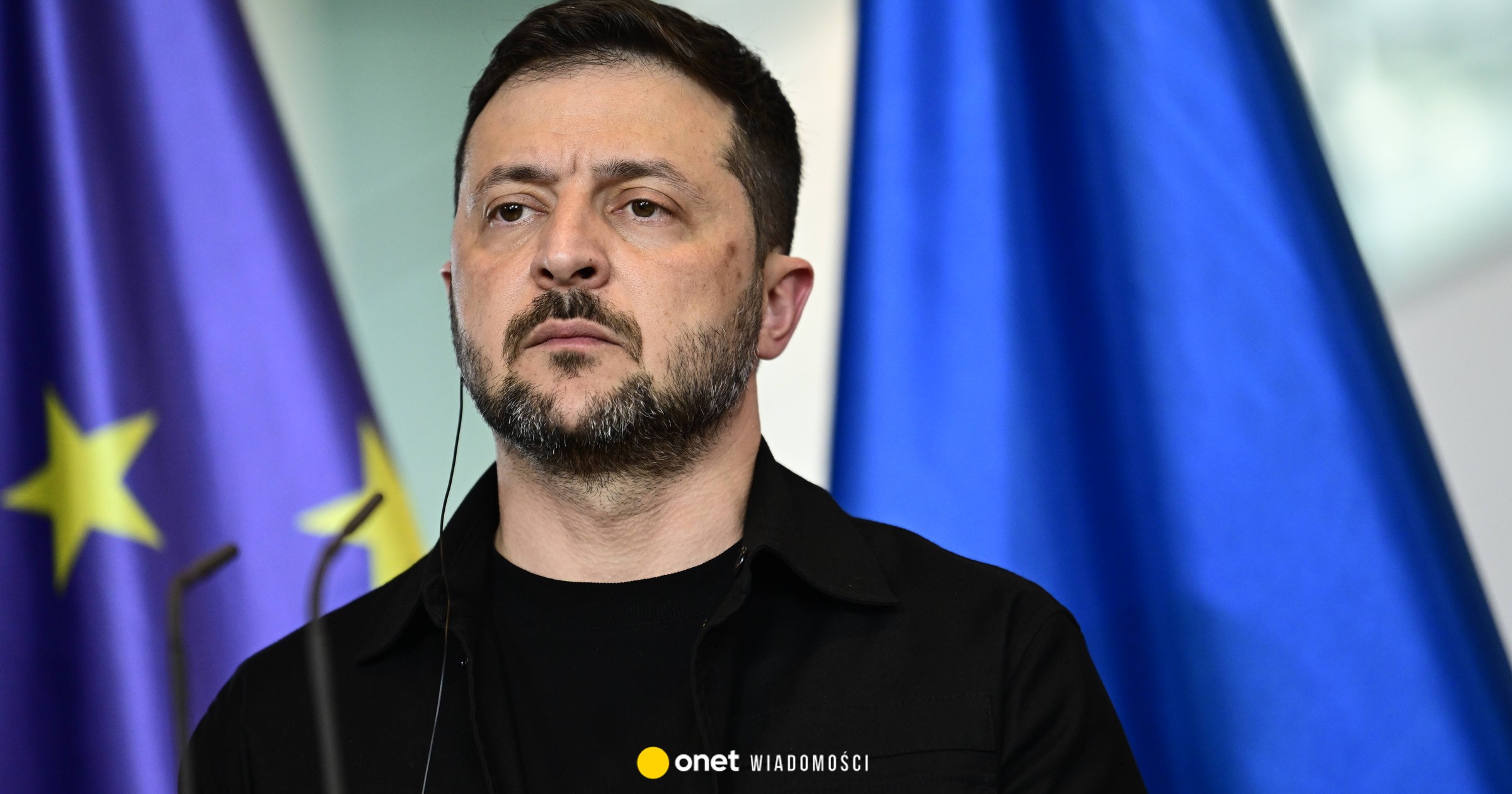
The CCR discusses the notification of President Nicușor Dan regarding the law of the cult regime. What does the head of state reproach


The Constitutional Court of Romania (CCR) discusses, on Wednesday, the notification of President Nicușor Dan about a law initiated by the deputy Silviu Vexler regarding the regime.

President Nicușor Dan notified the CCR. Photo: Gov.ro.
It happens after, the half of July, the head of state notified the Constitutional Court in connection with a law amending and completing Law 489/2006 on religious freedom and the general regime of cults, which sanction, as in the case of priests, the exercise of the profession and “Rabin, IMAM or other clerical or monastic functions, assimilated with them, at the request of the cults ”, According to Agerpres.
The text of the complaint was published on the Senate's website, and the law claimed at the RCC was initiated by the deputy Silviu Vexler, the president of the Federation of Jewish Communities of Romania, the one who also initiated the draft law to combat anti-Semitism and to prohibit the legionary organizations, a draft attacked without success by Nicușor Dan.
Nicușor Dan explains in the notification posted on the Senate's website that, on June 28, 2025, the Romanian Parliament sent to the president, for promulgation, the law for amending and completing Law 489/2006 on religious freedom and the general regime of cults.
The normative act introduces two new articles in Law Law 489/2006:
In Article 23, paragraph 4 is amended and will have the following content: “(4) The exercise of the duties of priest, rabbi, imam or other functions, clerical or monastic, assimilated with them at the request of cults by the State Secretariat for Cults, constitutes a crime and is punished according to Law no. 286/2009 regarding the Criminal Code, with the subsequent amendments”, with the subsequent..
In Article 29, after paragraph 1, a new paragraph is introduced, par. (11), with the following content: “(11) The cults have the exclusive right over the religious modalities of honoring the canonized, beatified, sanctified, passed among the righteous or recognized as their own identity symbols ”.
According to the president, by the method of adoption and by its normative content, the legislative modification was adopted in violation of some constitutional norms and principles, respectively art.1 paragraph (5), art.76 paragraph (1) corroborated with art.73 paragraph (3) lit.H), respectively art. 29 and art. 30 of the Constitution.
Also, the law violates art.147 paragraph (4) of the Constitution and art.7 of the European Convention on Human Rights, by establishing the constitutive content of an offense by infralegal acts.
The normative act extends the sphere of the active subject of the crime
The law in question extends the sphere of the active subject of the crime, the categories are included “rabbi” or “Imam”but also the phrase “Other functions, clerical or monastic, assimilated with them at the request of cults by the State Secretariat for Cults”.
“Thus, the possibility of the State Secretariat for Cults is created to establish, at the request of the cults, other clerical or monastic functions assimilated to those of the priest, Rabine or IMAM. Accordingly, the establishment of the constitutive content of the offense without the right of a profession or activity, in this field, of the exercise of religious freedom, is not realized by law, but it is not carried out by law Infralegals, administrative acts of the State Secretariat for Cults (…) The use of a vague phrase, defined by subsequent administrative acts and the quality standards of the law, according to art.1 paragraph (5) of the Constitution. of nature 'to exclude any equivocal, criterion that we consider that the provision of the law submitted to constitutionality does not fulfill it”, Says the president.
The head of state also reproaches the incomplete list of clerical and monastic functions.
“To the extent of admitting the aforementioned criticisms regarding the phrase 'other functions, clerical or monastic. Assimilated with them at the request of the cults by the secretariat for cults', used in the formulation of art. Law is a crime, without taking into account the fact that there are other title specific to the other religious cults recognized by law (in total number of 18), which are associated with their own clerical and monastic functions ”explains Nicușor Dan.
Specifically, other religious cults recognized by law are specific to other titles, such as: Muftiu (in the case of the Muslim cult), a spiritual servant/shepherd (in the case of the Union of Christian Baptist Churches), old (in the case of the religious organization “Witnesses of Lehova”).
All these titles must be taken into account by the legislator in the art. 23 para. (4) of Law 489/2006, because, as held by the Constitutional Court “Regardless of the name granted to the personnel of each cult, the social value protected by incriminating the act of exercise without right of a profession or activity is the same ”, It is shown in the referral.
The text incriminates the “free exercise of the tasks” specific to several clerical or monastic functions
Also criticisms unconstitutionality can be formulated and from the perspective of the text incriminates “Exercise without right of the duties” SPecific several clerical or monastic functions, the legislator ignoring that, most of the times, these attributions are not established by law, as a normative act of primary regulation, but by the canonical statutes and codes, recognized by a decision adopted by the Government, at the proposal of the State Secretariat for Cults.
Another criticism of the president refers to the violation of art.1 par. (5), art. 29 and art.30 of the Constitution by establishing an exclusive right of cults over the religious modalities of honor of certain persons, which violates religious freedom, but also the exercise of freedom of expression.