The head of the Ministry of Foreign Affairs Iran: The supplies of enriched uranium are still under the debris of bombed buildings

2025-09-12 20:29
publication
2025-09-12 20:29
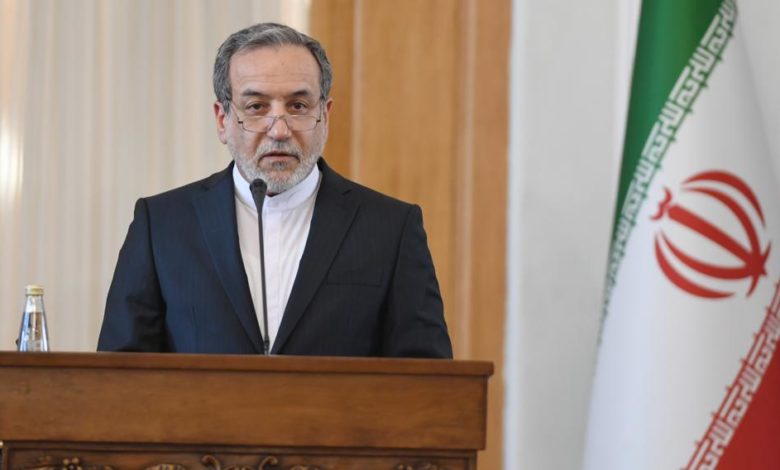
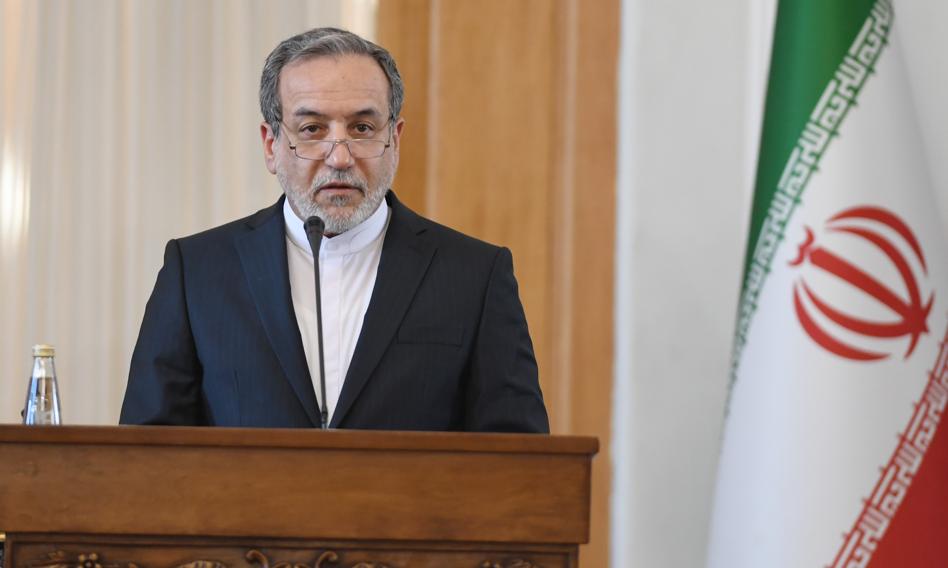
The head of the Ministry of Foreign Affairs Abbas Aragczi said that Iranian supplies of enriched uranium are still under the debris of buildings bombed in June by Israel and the USA. This is a rare public reference to the place of storage of Iranian nuclear material – the Financial Times noted on Friday.
According to estimates, Iran has 408 kg of uranium enriched to a level higher than used for civil purposes.
Minister Aragczi said on Thursday in an interview with Iranian state television that all nuclear materials “are under the debris of bombed objects”. He added that the Iranian atomic energy organization “assesses whether these materials are available or not.”
The British daily pointed out that the assessments of Western interviews on the sizes of damage caused during attacks on objects where the Iranian nuclear program was conducted, are divided.
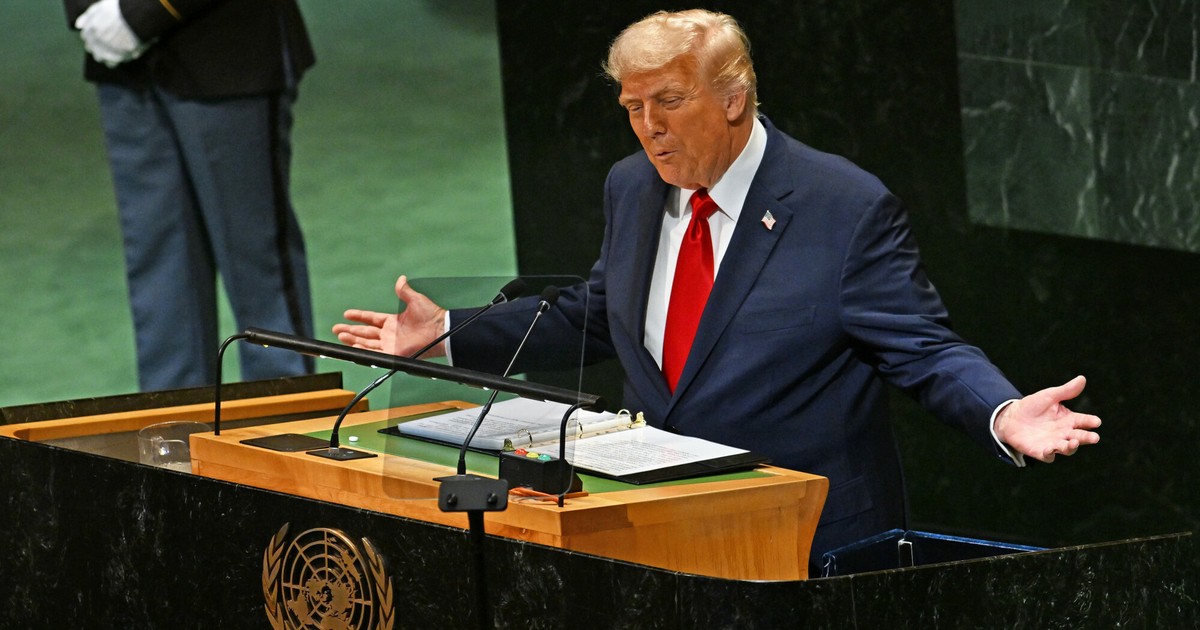
US President Donald Trump said that this program was “destroyed” after bombing the main centers in Ford, Natanz and Isfahanie – reminded “FT”. Diplomats and experts are of a different opinion, who suspect that Iranians could transfer the supplies of enriched uranium from attacks to other places.
Israeli Prime Minister Benjamin Netanyahu in August announced that as a result of the raids, Iranian uranium reserves were not destroyed.
The Oenzetian International Atomic Energy Agency (Maea) is not able to assess the scale of damage and what happened to wrestling, because after the 12-day war Iran ended his cooperation with her. Aragczi said on Thursday that “there are currently no inspection.”
At the end of August, France, Great Britain and Germany (E3), signatories of the nuclear agreement with Iran (JCPOA) from 2015, launched the process of restoring sanctions to Iran, called the “Snapback” mechanism, arguing that their previous conversations with the Iranian side in Geneva did not bring a breakthrough.
This process lasts 30 days. E3 countries have announced that during this time they will remain open to negotiations with Iran, and their representatives are ready to stop the procedure.
Expert Ellie Geranmayeh from the European Council of International Relations (ECFR) stated in an interview with “FT” that A3's response to Aragczi's statement will probably be: “prove it.” She added that access to places where uranium research was conducted and clear information on what happened to the supplies “This is one of the few tender cards that remained” to Tehran.
“Iran tries to remain unclear about his nuclear program, both to maintain open options in terms of weapons, and to prompt Trump to return to talks,” explained Geranmaayeh.
By virtue of the 2015 nuclear agreement, concluded between the administration of the then US President Barack Obama and Iran, along with European powers and Russia and China, Iran agreed to close restrictions on his nuclear activity in exchange for sanction.
When in 2018 President Donald Trump during his first term withdrew from the contract unilaterally, which Great Britain, France and Germany opposed, and imposed sanctions on Iran, this country extended its nuclear program and enriches Uranus to the level close to military needs.
From London Marta Zabłocka (PAP)
MZB/ AP/