Digital fitness, the legal drug of the 21st century, at the top: how online applications and coaches cost more than a whole room

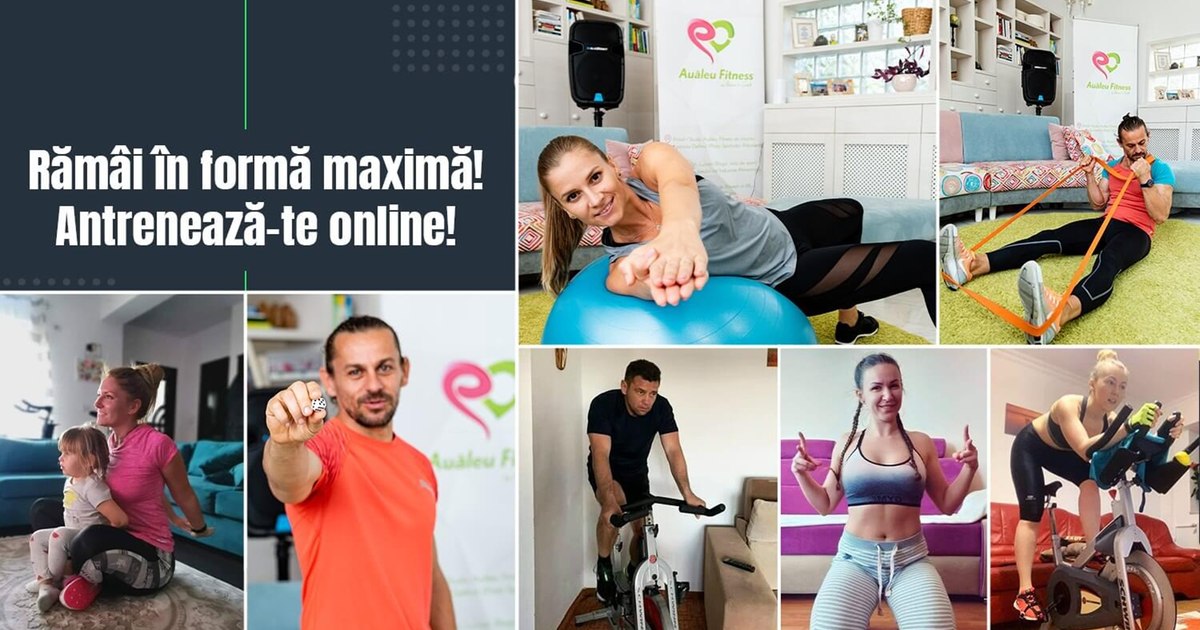
30 euros per month for an application that tells me to do knee flexions? 100 euros per meeting for an online trainer on the zoom? And yet, we pay.
From the application to the trap: When the digital fitness becomes a photo-auleu fitness subscription
This is happening in a world where sport is no longer just a neighborhood room with appliances and mirrors. More and more people who want to lose weight or move choose online, a click away – from applications with artificial intelligence algorithms to famous trainers who sell personalized plans at luxury prices.
At first glance, it seems only a cost for health and comfort. But the reality is more complicated: from a simple application, many get to invest in more or less useful gadgets and equipment-smart bracelets, high-tech watches, peloton bicycles or interactive mirrors. Each purchase promises performance and spectacular results, but in the back there is a subtle spiral: each gadget becomes a monthly subscription, then other applications, new blocked functions and endless promises.
Thus, what begins as a desire to make movement, sports, to lose weight and be healthy turns into an ecosystem that makes you “Life slave” of digital fitness: you pay for hope, motivation and validation, but you lose money, time and often inner peace.
Let's find out together why more and more people choose online applications and trainers at exorbitant prices and what effects this tendency has on their health, time and budget.

Digital fitness: you pay for hope, not for shutterstock photo results
A billion business-the fitness from the phone
The fitness and wellness application industry is already worth tens of billions of dollars globally, and Romania is no exception. From famous programs such as MyFitnesspal, Centr by Chris Hemsworth or Freletics, to Romanian coaches with hundreds of thousands of followers on Instagram, all sell the same dream: a healthier, more attractive body.
“You are not paying only for a program of exercises. You pay for a motivation strategy, for the feeling that someone sees you and validates you ”explains psychologists.
Why do people choose trainers online at exorbitant prices
- Absolute convenience – You can play sports in your living room, at any time, without roads in the room.
- Personalization – A plan “Made just for you” It has an exclusive aura, even though it is sometimes semi-automatic.
- Aggressive marketing – images with spectacular, testimonial transformations “before and after” and the promise of quick results.
- Social pressure – When your favorite influencers post daily about its fitness program, many feel that if they do not pay, they remain behind.
- The need for belonging – Online groups, fitness communities and “Challenges” monthly it creates the feeling that you are part of a global movement.
Even so, critics say that these services often sell more expensive than they deserve. An application cannot correct posture or analysis in depth health status. And an online trainer, no matter how professional, cannot completely replace the direct interaction in a room.
“If I do not pay, I give up immediately. The fact that I know I gave money forces me to continue”, I confess the users.
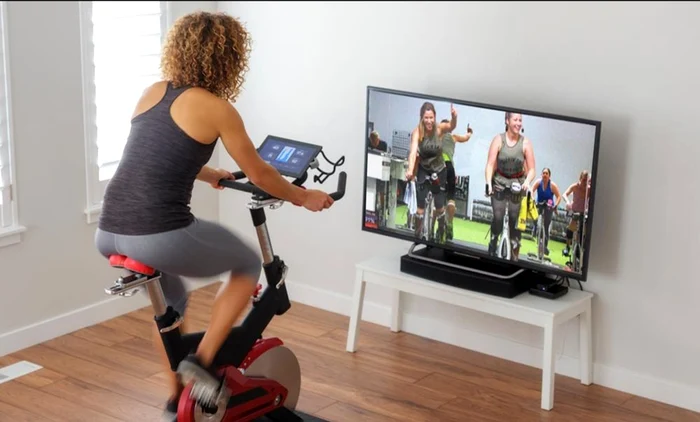
Digital fitness: expensive promises, questionable results photo studioswatemand com
Of the application in the trap: When health becomes a life subscription
But the payment for applications and trainers is not the only trap. The industry has created a true ecosystem of expensive gadgets, which catches you in a spiral of subscriptions and hidden costs.
Techradar shows how manufacturers like Whop offer bracelet “free”but it blocks your access to data without a monthly subscription. Basically, you become the prisoner of your own performance. Top watches like Garmin or Polar, once considered purchases “All Inclusive”begin to tax separately functions that were once free (The Verge). Does it sound known? Because the same scheme, the same mechanism, we find it in other digital daily services, such as Netflix or Spotify: initially it seems a complete purchase, but in fact you wake up paying monthly to have access to all functions or content.
And it's not just about bracelets or watches. In the United States, Peloton has transformed the living rooms into luxury sports halls. Their bicycles cost over $ 2,000, but they are only expensive decor without a monthly subscription of almost $ 40. “Promise” – A home gym, with live coaches and a global community – has won millions of people, even though the final price far exceeds the subscription of a classic room (Time).
Only that while some pay thousands of dollars for exclusivity and personalized services (Gq), others shout their frustration: applications cost more than a whole room. Health investment becomes a real business plan for the former – as an entrepreneur who spends between $ 10,000 and $ 20,000 per month, physiotherapists and mentors, turning health into measurable productivity and energy (The Business Insider).
Instead on the forums Redditusers revolt: “How to cost an application more than a whole room?! ” or “We pay $ 30 -month subscriptions for training plans that you find for free on YouTube.”
Health, for some, is not only a lifestyle, but a strategic capital – every invested dollar returns in the form of productivity, energy and performance. For many, however, these gadgets and applications are no longer health tools, but true money traps, built to feed the obsession for data and progress.
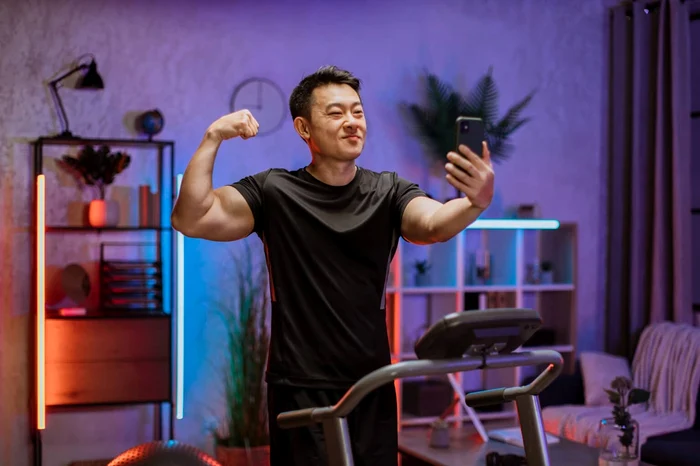
Digital fitness subscriptions: How much does the MYPTHUB Net photo performance really cost
In search of eternal youth: the legal drug of digital fitness
In the run after “Youth without old age and life without death”millions of people fall into another type of trap: life subscriptions. The bracelets, watches and applications are not just gadgets, but become daily doses of a subtle drug-the promise that you will be weaker, stronger, healthier.
The reality is cruel: not the devices buy youth, but they buy your time, your money and your inner silence.
The industry knows that, once caught up, it doesn't matter if the results come or not – you will pay for “hope” every month. Smart bracelets, high-tech watches, peloton bicycles, interactive mirrors-all are part of an ecosystem built to keep you captive. The initial payment is just the beginning; True capture is done through monthly subscriptions, obsessive notifications and endless performance promises.
Conclusion: Subscription, not exercises, make life “better”
Digital fitness no longer sells movement-sells addiction. In a world where time is the most precious good, and social validation matters enormously, “Luxury” To have an online coach or a premium app has become the new healthy lifestyle status.
Finally, the exercises do not make your life better, but the subscription. Once you get into the game, you became the consumer of a legal drug – and the side effects are subtle: the empty pocket, the greater stress and the feeling that you never make enough.