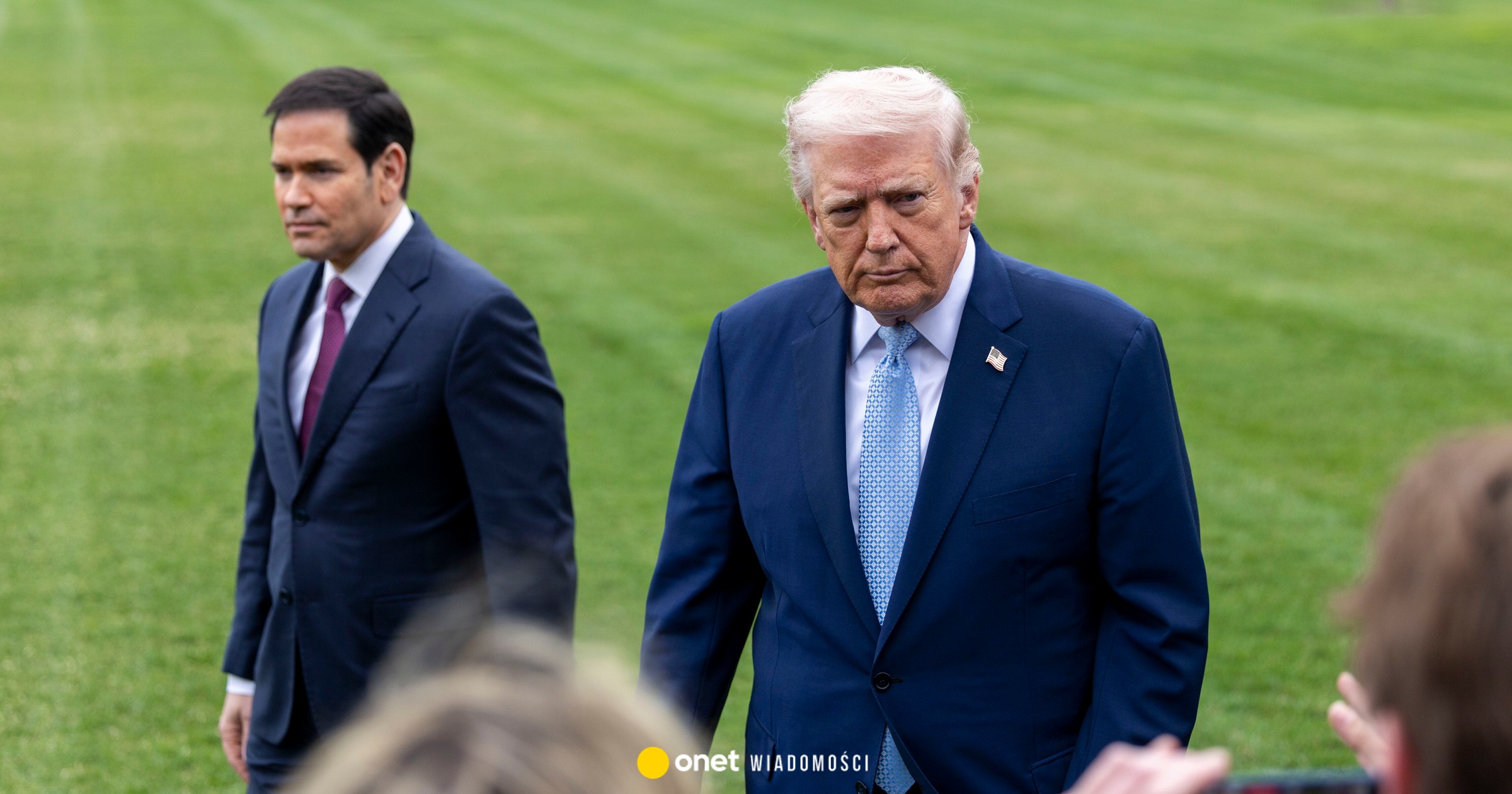
In my opinion, the conclusions of the British diary regarding the limitation of US support are somewhat premature, but the actions of the current Washington administration were aroused by further waves of concern, also in Poland. Although American military support for our country seems to be unsatisfied at present, which was confirmed by the meeting of the presidents Donald Trump and Karol Nawrocki, for geopolitical reasons Poland remains a key state if the need to provide military support of Lithuania, Latvia or Estonia.
Article 5 NATO obliges us to such activities, and only through our territory by land military assistance for Lithuania, followed by Latvia and Estonia. From a strictly military perspective among NATO eastern flank countries, Latvia and Estonia are the most vulnerable to aggression from the Russian Federation.
The situation of Lithuania is more favorable
In Polish narrative, Lithuania, Latvia and Estonia are often mentioned “in one breath” when the situation of Lithuania is more favorable than the other two countries. Lithuania is not bordering the “continental” Russia, and the full -scale offensive actions of the Russian forces from the Królewiec region are unlikely. It is true that it has about 670 km on the border with Belarus, but the participation of this country in a potential conflict is not obvious at all.
What's more, for the Kremlin, in the case of armed aggression on Latvia or Estonia, maintaining appearances of neutrality by Minsk at least in the first phase of the conflict can be beneficial. The very concentration of the Belarusian army, especially after mobilization development, in border areas with Lithuania and Poland, will bind a significant part of the armed forces of these countries without having to get into an open conflict. Thus, it will significantly limit, and maybe even prevent (depending on the political will of Vilnius and Warsaw) providing direct military support.
Continuation of the material under the video
What do Latvia and Estonia look like to resist Russia?
Latvia and Estonia will have to fight for about a 600-kilometer front in the event of a direct invasion. What are the abilities of both countries to resist?
The Estonian professional army has only 6,000 professional soldiers in its ranks, but unlike the other Eastern flank countries, the Tallinn authorities have never resigned from the compulsory basic military service. That is why Estonia, although in terms of population, the least numerous has almost 50 thousand. Trained reservists, including 24,000 in territorial defense. In addition, pro -defense trainings organized by the Estonia Defense League are popular in society.
The Latvian army has about 15,000 professional soldiers and a similar number of reservists. Latvian land troops currently consist of one mechanized brigade, four reserve brigades (National Guard) and the Battalion of Special Forces. From 2023, Latvians have restored the obligation to perform basic military service, which will allow you to train from 4 to 7 thousand a year. recruits. However, the restoration of mobilization capacity will take about a decade, in addition, about 25 percent. The Latvian society is the Russian minority, often reluctant or even the enemy of power in Riga.
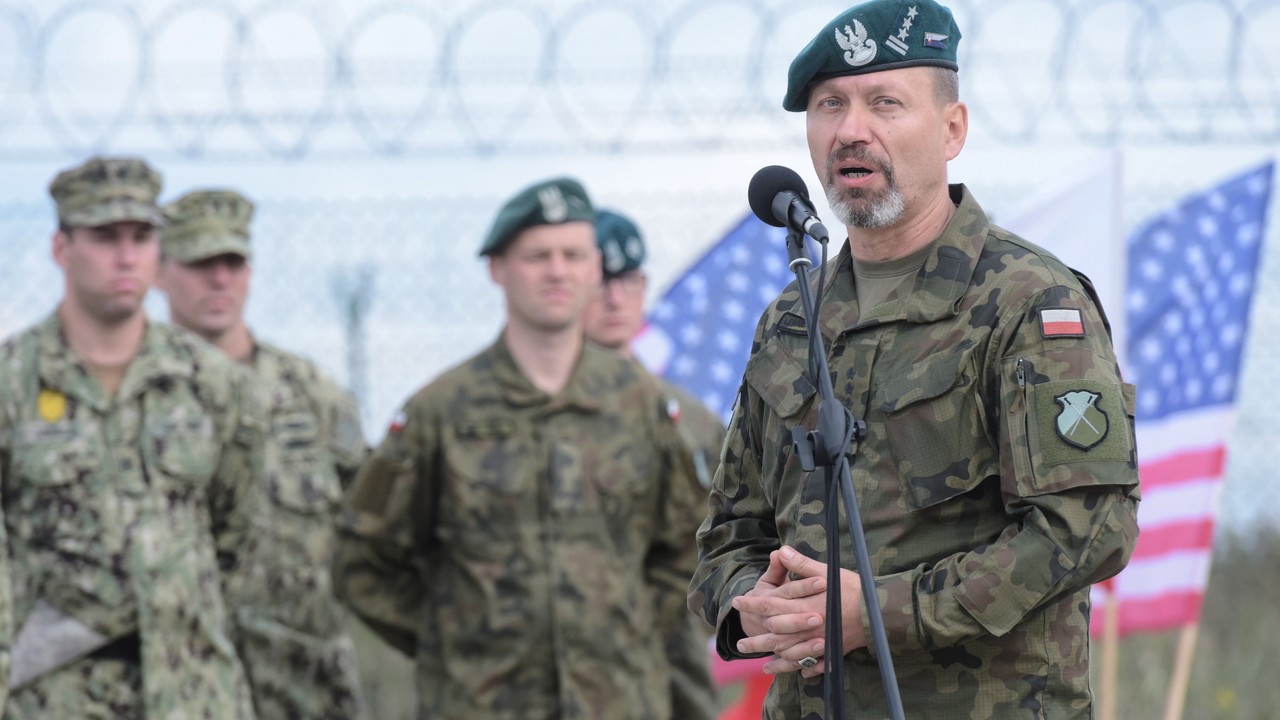
Latvian armed forces have been cooperating with other NATO armies for years, e.g. with the American National Guard, as well as the US special forces, but the current distribution of NATO land forces does not guarantee immediate action in the event of aggression on Latvia.
2,000 are currently stationed in Latvia, Lithuania and Estonia. NATO soldiers, mainly American and German. However, their combat potential (and so small) was collected in Lithuania – two US Army battalions from the 3rd Infantry Division and a German tank battalion. The Germans undertook to distribute the entire 41 armored grenadier brigade by the end of 2027, but meeting this deadline seems unlikely.
“The most attractive goal for Russian invasion”
From a military perspective, Latvia is the most attractive goal for the Russian invasion, preceded by hybrid activities supported by the Russian minority. Latvia armed forces are insufficient to fight the Russian Federation on an almost 300-kilometer front. In addition, Latvians must include in their defense plans over 170 km of border with Belarus and take into account subversive and sabotage activities at the back.
Military support from NATO in the case of land forces will be very limited, and air attacks on the territory of the Russian Federation are part of the threat of nuclear conflict in accordance with the latest doctrine of the Kremlin.
I’m Ashley Davis as an editor, I’m committed to upholding the highest standards of integrity and accuracy in every piece we publish. My work is driven by curiosity, a passion for truth, and a belief that journalism plays a crucial role in shaping public discourse. I strive to tell stories that not only inform but also inspire action and conversation.