War that was not local
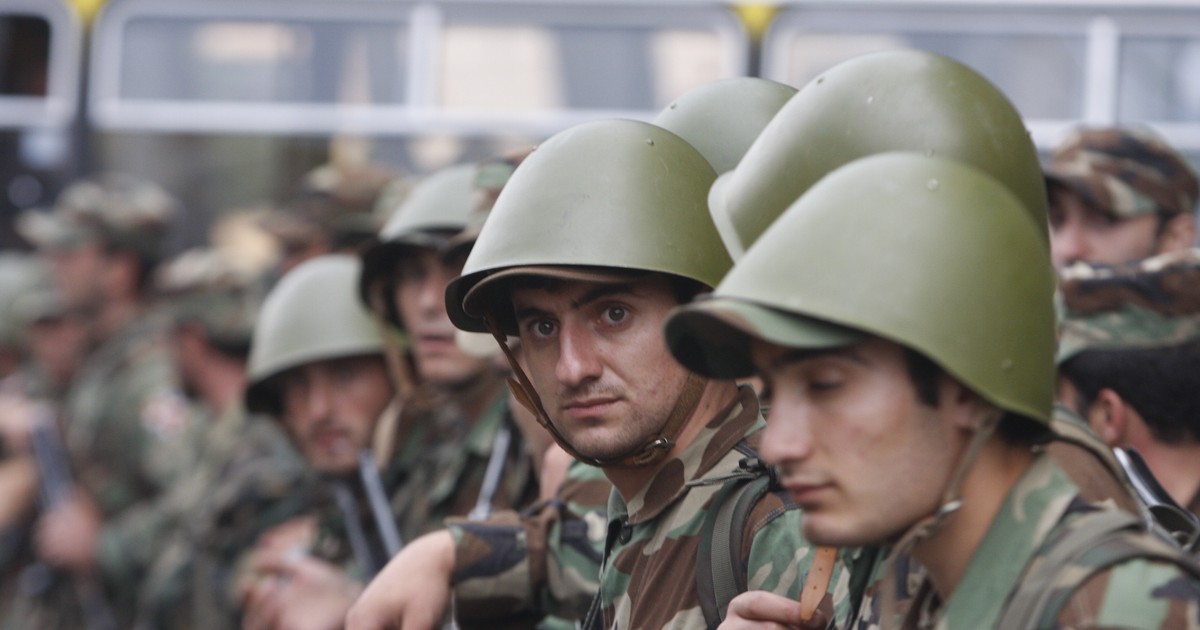
Asmus thoroughly analyzes how the five -day conflict in South Ossetia has become the first open clash between Russia and the West in the post -war -war era. The author opposes the popular thesis to this day (although it is worth remembering that already then strongly criticized by Central Europe leaders, including Lach Kaczyński) that it was a peripheral war and irrelevant from Europe. Asmus shows that in fact it was geopolitical: Russia for the first time using weapons wanted to demonstrate that the post -Soviet zone is its own yard, and the West has no right to interfere there.
Georgia has become a test of a new, aggressive policy of Vladimir Putin from the west. Test for NATO determination, a test for the cohesion of the European Union, a test for the United States's ability to protect the democratic aspirations of post -Soviet states. The West – as Asmus notes – this test poured, responding only with half measures, messages and negotiations that did not stop the Imperial ambitions of the Kremlin, and six years later ended with the annexation of Crimea.
Prophecy without a name
The most amazing in the book is that Asmus – although he never mentioned Ukraine – basically describes the future that realized in 2014 and escalated in 2022. It obviously still the valid warning is: if Moscow does not meet a real answer, he will reach for more.
This is not an analysis based on guesses, but on the logic of Russia's imperial thinking, which the author has been following since the 1990s. So Georgia was a prelude, a warning signal that the end of the end of history has already ended, and the West must define again what its security is and what limits of responsibility it has.
Book as an indictment
“A Little War That Shook The World” is not only a record of events, but also a document accusing the western policy of concessions and illusions towards Russia. Asmus claims that the war of 2008 should have been a turning point – the moment when the West would clearly define its strategy towards Moscow's neoimperial policy. Instead, we went over her, says the author, to the agenda, which allowed the Kremlin to believe that aggression is profitable.
Let's imagine how different the world in which Putin made a decision about aggression against Ukraine, if in 2008 the West recognized what he recognized in 2022 – that Russia really is, as Ronald Reagan said, the empire of evil.
Asmus's style resembles the best geopolitical analyzes in the spirit of “Foreign Affairs”: it is clear, deprived of unnecessary academic jargon, and at the same time thick from arguments and facts. Years later, Asmus's book sounds almost like a historical and condensation document. The author warned that the war in Georgia was not an episode, but a prelude. In 2008, we could talk about the “small” conflict – in 2022 the whole world saw how quickly such a “small” conflict could turn into a global earthquake.
I had the opportunity to meet Asmus and talk to him several times during the NATO extension campaign. He was a wise and good man. Most importantly, however, he was right: the war in Georgia really shook the world. Not because of its limited scale, but because it heralded the end of the Western illusions that Russia can become a democratic country.
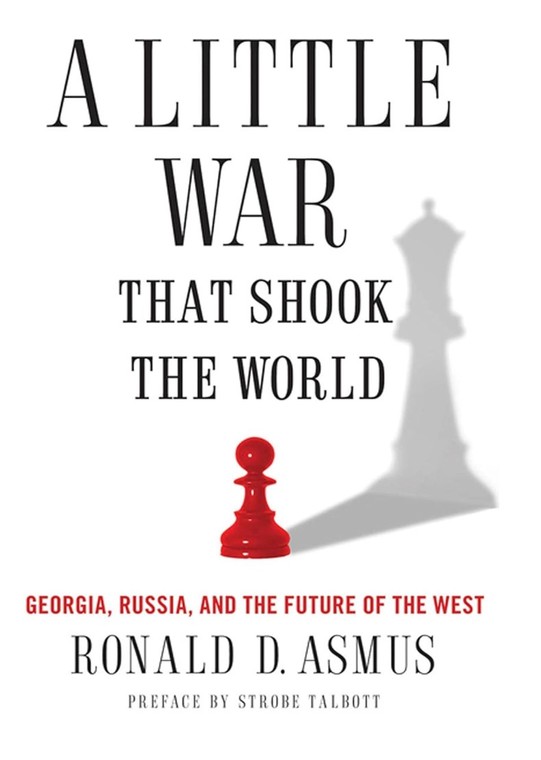
“A Little War That Shook The World: Georgia, Russia, and the Future of the West”