The great challenge of giving up social networks: “I had come to have an eight -hour screen time, wasted on random clips.”

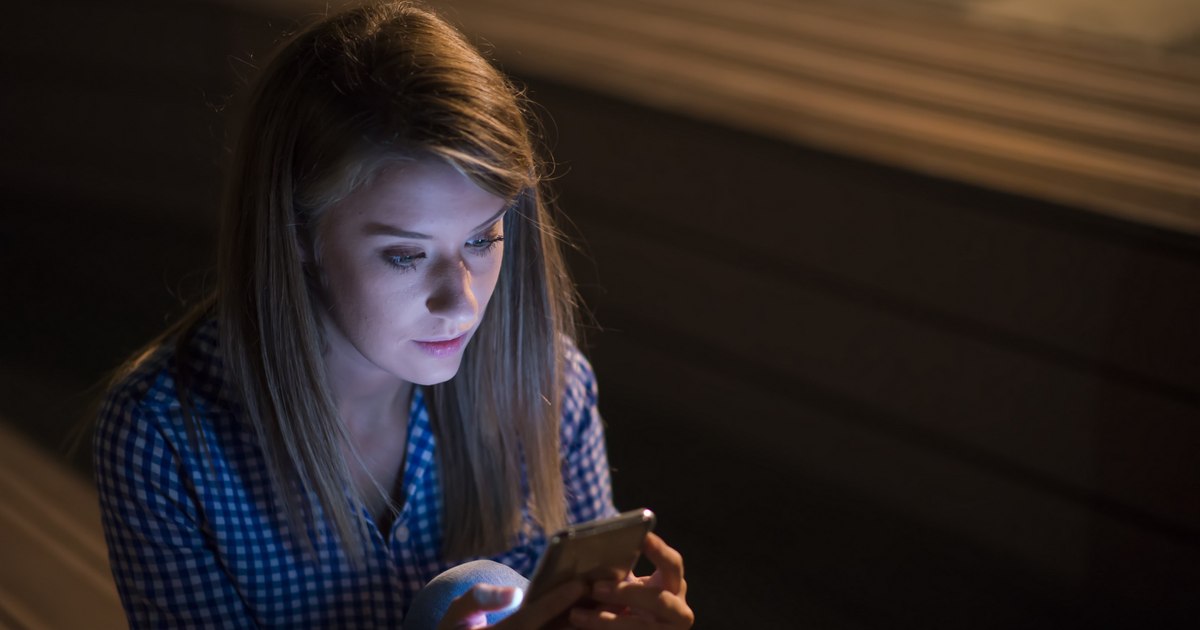
Giving up social networks has become a challenge, at an era when people spend more and more hours “absorbed” by mobile phones. Those who tried to test their resistance to using these platforms have provided interesting observations about their experiences.
Giving up social networks is a difficult challenge. Photo: freepik.com
The long time spent in front of the screens causes more and more people to look for solutions to get rid of this addiction.
Challenge of giving up social networks
Some users say that platforms cause anxiety, irritation, restlessness and discomfort, but they admit it is extremely difficult for them to stop.
“I always have this cursed tool in my hand (the phone). I never had Tiktok (fortunately), but the Reel on Instagram stored me of energy and so I wiped the account and the app in November, two years ago. Then they introduced Reels on Facebook … the beginning of the end. Now I even disabled the account and I had a time. Whatsapp even without new messages. He tells a 26 -year -old girl on Reddit.
This adds that besides Doomscrolling, that is, the habit of compulsive on the phone, which caused her to eliminate social networks was anxiety.
“I was constantly bombarded with information that I felt I had to have an opinion. I do not want to open Facebook as soon as I wake up and poison my soul with terrible news and posts about all kinds of misfortunes.” adds the young woman.
Someone else reports that, although he failed to permanently give up social networks, he disabled some of the applications that consumed the most time and tried to gradually give up “smart” technology, preferring simpler phones.
“It takes some sacrifices, but in the long run the giving up such platforms brings only advantages. For example, I became immune to the daily boredom: if I am in a waiting room, I do not go crazy, I can handle the restaurant, at the table, I do not hold the smartphone at hand and I do not need it for any more. Less tired, in general.company another young woman.
Another user of the Reddit platform says he had similar experiences, but eventually he managed to reduce his time on social platforms dedicating to hobbies and trying to create a daily program based on healthy habits.
“Remember that the ultimate goal is not necessarily to run away from these things, but to learn how to dose them. You can live a quiet life, balancing your habits. For example, I was wasting for hours in the morning, today I use it much less and more conscious. But it was a lot of work,” Recognize it.
Subject to social networks reduces stress
Disabling accounts on social networks can lead to less stress, but also more loneliness, specialists quoted by the Psychology Today platform shows.
They came to this conclusion after testing the renunciation, for a period, to the use of large digital platforms. Regardless of the experiences they went through, those who tried this option have remained with the impression that the absence of communication applications was a difficult mission, in a society where people tend to spend more and more “glued” phones.
“Social networks create addiction due to variable rewards, which strengthen behaviors such as scroll and phone verification. If renunciation of social media is done impulsively, it can lead to loneliness or decreased satisfaction” says educator Clay Drinko, a psychology specialist, on the site Psychology Today.
He reported the experience experienced after giving up, for certain periods, to the use of platforms like Instagram, Friendter, MySpace, Twitter, Facebook and Tiktok. The first thing he observed, confirmed, according to him, of scientific research, was that stopping the use of social networks brought less stress. According to the specialist, social networks work on the same mechanism as gambling.
“In social media, behaviors such as verification of notifications or feed are reinforced by rewards such as the fact that someone liked you at a post or commented on something appreciation about you. What makes them extremely addictive is that these behavioral rewards are not constant. I do not know if I will receive zero likes or one thousand, and it is precisely this variable reinforcement.”explained the educator.
A study quoted by Psychology Today has discovered that short breaks from Facebook reduce stress levels, especially among excessive social media users.
“” When people become so addicted and attached to social networks, reducing stress doesn't seem to be the only possible result. I saw extremely stressed students just because they were asked to leave their phones before an exam. But this study is a small indication that a digital detox could help you feel less stressed. To reduce the level of stress, in high lines ”, notes the publication.
Loneliness, emphasized by the lack of telephone “notifications”
Another study, quoted by the same publication, showed that renunciation of social media increases the feeling of loneliness.
“In this study, which included 68 participants, some gave up social media, and others did not. The results showed that abstention from social media has not only increased loneliness, but reduced life satisfaction and amplified negative emotions (anger, sadness, fear and guilt),” explains the specialist.
The study participants were randomly selected, which means they did not decide on their own whether they are part of the group that gives up social networks or the one who continues to use them. And his own will matters a lot in this case, mentions the publication, which also offers a number of tips for those who want to reduce the time spent on social media platforms without being affected by loneliness.
Recommendations for those who want to leave the phone in hand
The first thing people can do to reduce the negative consequences of separating social networks is to strengthen their real social connections.
“I started writing messages more often and setting more coffee meetings. Fill your social calendar before taking the step, so that it does not seem so lonely to give up social networks.”recommends the psychology -passionate educator.
Another thing that must be taken into account by those who want to give up social networks is to reflect on the reasons why they use them and what changes will bring them the detachment. He did not have to make impulsive decisions when they are thinking of turning off their online accounts.
“If social media is essential for your business or is one of the few ways you are connected to others, it may not make sense to give up completely. Instead, it may be more logical to make intermittent detoxs (no breaks) to reduce your stress level and addiction to social networks. World without it – as I was – maybe it makes more sense to withdraw permanently ”shows the specialist.
The interruption of the use of social platforms can be useful as a way of reflection on them. If the breaks are compensated by the use of time in a productive way and if they bring to people the feeling that they do not feel alone and unhappy, they could finally reach the point where the definitive giving up will seem to be the right choice, notes the publication.
On average, people spend over two hours a day on social networks, shows the statistics quoted by Psychology Today, so the decision of renouncing them would certainly mean more time for other activities.
“Now that I gave up social media, I have time to learn a second language, to go to the room daily, to write a novel, to correct works and to create lessons, to plan a trip around the world that I can never do, to dream and time to think. Two hours a day means a month.concludes the specialist.