
Adrian Căciu criticizes the elimination of 1% tax on the turnover of multinational: “You cannot reduce or cancel the rich taxes”


Former Minister of Finance, Adrian Câciu, launched criticisms of the Government's decision to eliminate the minimum tax on the turnover of multinationals, provided in the package II fiscal-budgetary measures.
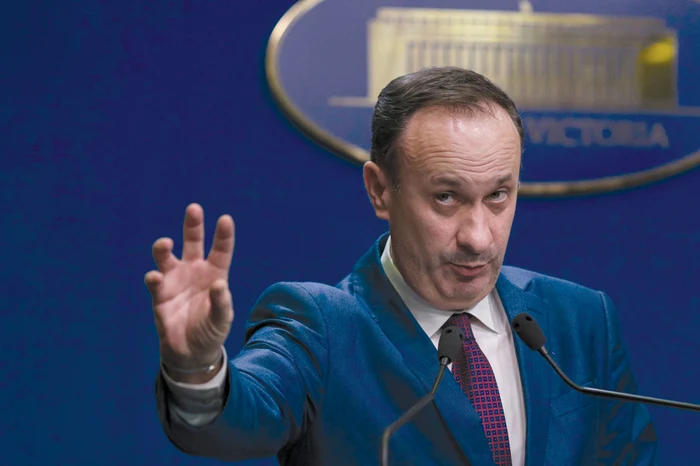
Adrian Căciu. Photo: Inquam Photos/Octav Ganea
“When you approach the problems of Romania, you must never forget that if you still say that you have no money and you tax the poor (CASS, VAT), you cannot reduce or cancel the taxes on the rich. It is totally unfair to eliminate the turnover to multinationals (it was 1% of the turnover, but a 10% of the euro mothers or pensions of people ”, Căciu wrote, subsequently emphasizing, in the same post published on Facebook, that this fee brought 3.7 billion lei annually to the budget.
The Social Democrat states that he asked the Minister of Finance, Alexandru Nazare, to give up this measure, but the decision had already been taken: “I said this in the coalition, I asked the minister Nazare to give up the idea, but it was clear to me that they had already understood themselves with multinationals (rich, as I call them). He did not give up!”.
Căciu announces that the PSD will submit amendments to maintain the tax on the turnover and to exempt mothers from the payment of CASS.
Alexandru Nazare: “A necessary measure to relaunch private investments”
In reply, the Minister of Finance, Alexandru Nazare, considers the elimination of the minimum tax “A necessary measure to relaunch private investments” and part of a tax package meant to reduce the deficit, to strengthen public finances and to support “The correct business environment”.
“Today I have adopted in the Government the final form of the pack of fiscal measures – budgeting, the result of a large public debate, for which I thank all those who have been involved through proposals, observations or constructive critics. (…) I trust that the adoption of this package of measures, unfortunately too delayed since it should have been truly adopted, protects Romania from the risk of much harsher measures and creates a stability and recovery framework for entrepreneurs, investors and citizens ”, said Nazare, adding that it was a result of a large public debate.


