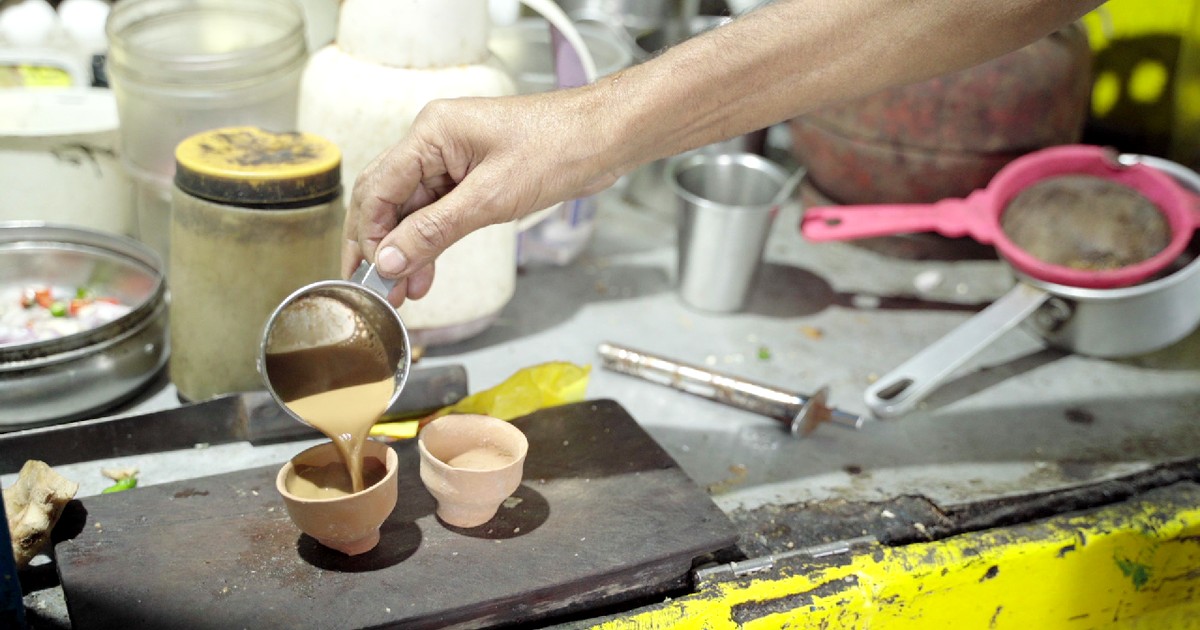
These small clay vessels can be The oldest one -time cups in the world. Evidence of their use on the Indian subcontinent reaches 5000 years back, i.e. at the end of the stone stone. Traditionally, a drink is sipped from them and throws out. The cups are called Kulhad, Kulhar, Bhar or Shikora – depending on who you ask. However, they would not call them, these comfortable cups were almost always the preferred vessel in tea rooms throughout the country.
Then disposable plastic and paper cups appeared on the market. Currently, more and more tea rooms are giving up traditional Kulhads in favor of alternative solutions, which means less income for craftsmen.
We are not able to earn enough by doing this work. We can't even look after our families
– says Jayaprakash Prajapati, a potter.
Kulhad versus plastic and paper cups
Lower prices make plastic and paper attractive for companies that can use thousands of cups a day. However, supporters of the Kulhads claim that plastic is harmful to health, environment and business. The reality is slightly more nuanced. Is ordinary Kulhad really better than a plastic cup? How long will it be used?
We went to Calcutta in India to find out why traditional clay cups are still doing well despite the increase in the popularity of paper and plastic. Jayaprakasha Prajapati's work day lasts longer than outside it is clear. Every day, from 4 to 22, he and his family do about 2,500 kulhads.
We work for 17-18 hours a day
He estimates that he has produced over 10 million cups since the start of operations 25 years ago.
– It means that millions of people saw your cups – says the producer.
“Yes, and maybe even more,” he says Jayaprakash.
They make 2,500 cups a day. But that may not be enough
|
Business Iniser
Clay cups have their long tradition
Their design is deceptive simple. It's just unpainted dishes without tea drinking handles.
“We want them to be simple,” says Jayaprakash.
It is a project that has been improved in India for thousands of years for generations of craftsmen.
– Our ancestors have performed these cups since the dawn of time. They made clay cups, and now we make them – describes Jayaprakash.
It's hard, constant work.
“They are so hot that I can barely keep them in my hands,” says Jayaprakash.
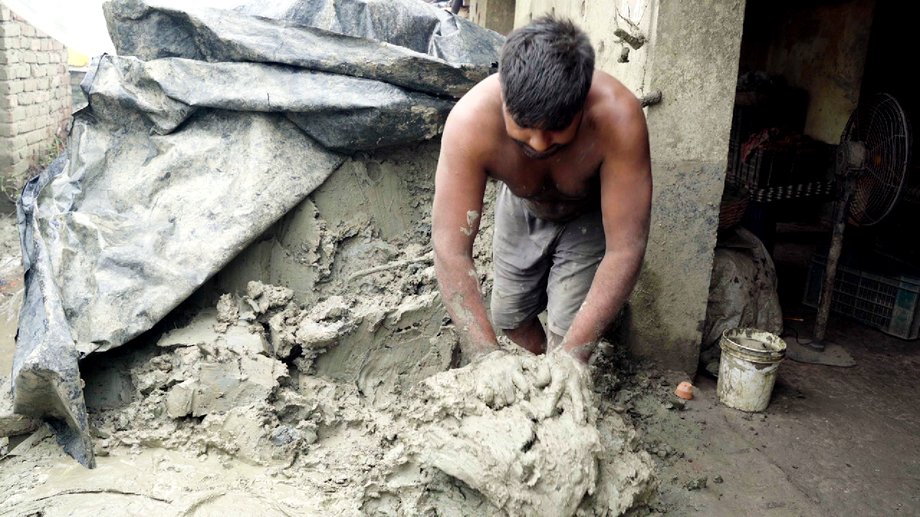
After removing the party from the oven from the previous day, employees prepare clay for today's Kulhad production.
Making clay is the most difficult
They use wire and their feet for cutting and mixing clay, unifying its consistency and making it easier to work with it. Fresh clay is the only component of Jayaprakasha Kulhads. It is getting more and more expensive every year.
– The price of soil has increased significantly. It used to be lower. Now it costs 10-11 thousand rupees (PLN 480-530) for a truck – explains Jayaprakash.
However, it has no choice and must buy from local sellers at the price set by the Potcarzy Association. The cost of clay imports would consume its slight profit, and it cannot use any soil.
– This clay is sticky. Other soils have sand and are not sticky Jayaprakash describes.
Before the clay is ready for forming in Kulhady, remove stones and grass from it. The pebbles could cause a bundle of mugs in the oven, and the grass could burn and leave the holes.
If there are holes, the tea will pour out
– says Sheetal Devi, potter.
Traditionally, men make Kulhads, but everyone at Jayaprakasha's house works to keep up with demand.
Traditional Kulhady is still fighting for survival
|
Business Iniser
The orders of the tea room are great that it is difficult to keep up with demand
– Women work with us if they have some time after making dinner. They help us, which makes our work easier – says Jayaprakash.
Habacios, which Jayaprakash supplies, expect daily deliveries.
-Some tea rooms order 1000-2000 cups-he informs.
At the current size, the Jayaprakasha workshop can only produce about 2,500 cups a day. This makes it difficult to create any stocks, which means that the workshop must be in continuous production mode.
– In the past, so many clay cups were used for Bara Bazaar that we were not able to provide enough. Since paper and plastic cups appeared, the situation is normal – says Jayaprakash.
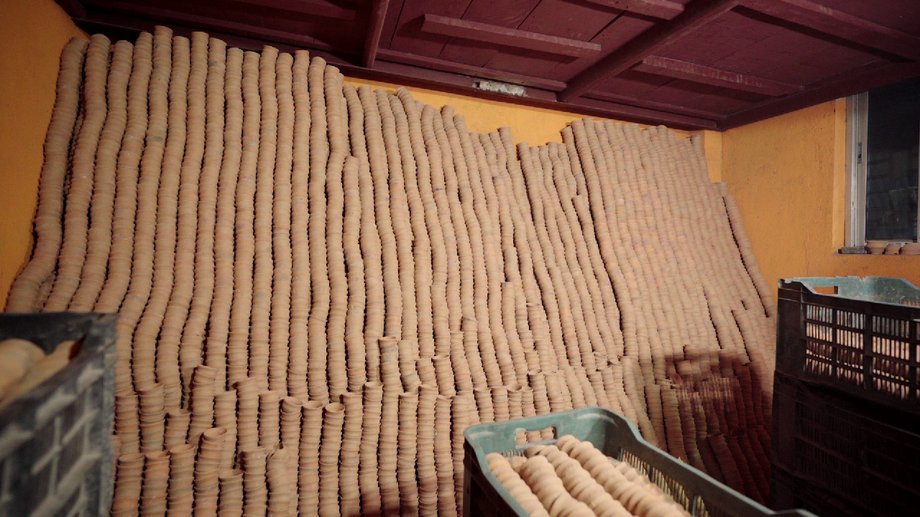
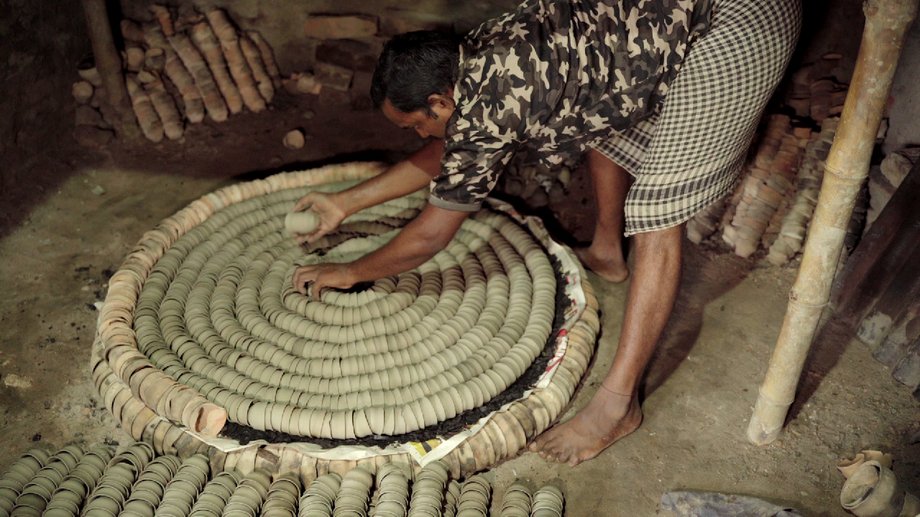
Dried in the air, Kulhads are laid in tight concentric vertebrae and fired overnight.
If we don't watch out, the cups will be destroyed
This formation allows for effective firing up to 10,000 Kulhads at once. Now, however, there is a monsoon time, which means that even after a night spent in the Kulhady furnace they may not be dry.
– The pace of our work slows down because the cups do not dry. The cups we make in the morning do not dry. The mugs we do in the evening do not dry either Jayaprakash describes.
Such problems make Jayaprakash even more difficult to keep up with the already overwhelming demand.
– How do they dry clay cups in such weather? If they don't reach us, I will serve tea in paper cups – he declares Kashinath Kolay, owner of a tea room.
Paper and plastic cups are cheaper and more convenient than Kulhady, which makes them an attractive alternative to a tea room reaching minimal margins. Sellers like Kashinath Koło buy cups from Jayaprakash for about half a rupe (2 grosze) per item. Paper cups can be obtained for nearly one fifth of rupees (less than a penny) per item.
– In a clay mug I sell tea for 6 rupees (29 groszy). I sell in a paper mug for 5 rupees (24 grosze) – says Kashinath.
Despite this difference, most of the 100-150 cups of tea, which Kashinath sells every day, is served in Kulhads.
It is said that Kulhad changes the taste of tea
|
Business Iniser
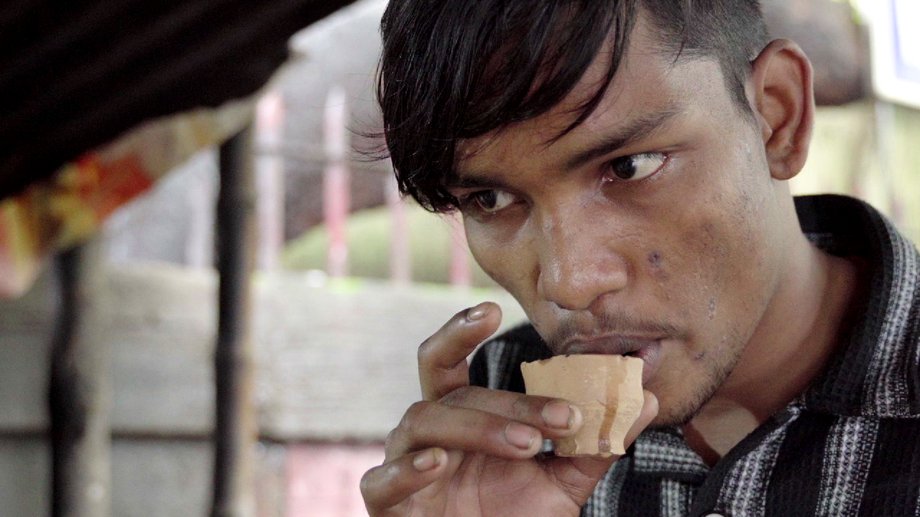
Kulhad changes the taste of drunk tea
– People say that tea in clay cups is very good. If they do not drink them of these cups, they have no pleasure of tea – explains Kashinath.
Kulhad supporters are convinced that pita tea from clay cups tastes better.
“The clay mug is a bit soaking when you pour tea into it,” he describes.
– You can feel this earthy taste – says Sumit Mallick, a customer.
In the case of plastic, not only the taste penetrates into the tea. Numerous studies have shown that hot fluids in plastic cups, as well as paper cups covered with plastic, can cause that microplastics and a chemical called Bisphenol A. Bisphenol A or BPA, even in small amounts, has been associated with cancer, reproductive problems, brain development problems and many other diseases and dysfunctions. Studies on microplastics are limited, but they can cause similar potential problems. There is no evidence that drinking from Kulhad has any negative impact on human health. But what about doing Kulhad?
– You probably have problems with your back? – asks the manufacturer
– Yes it's true. It's very hard work. We cannot do it for a long time – explains Jayaprakash.
– At what age did your father retire? – asks the manufacturer.
“When he was 40,” says Jayaprakash.
– How old are you? – asks the manufacturer again.
– 36 or 37. I usually have respiratory problems – says Jayaprakash.
– Because of smoke?
“Yes, it's hard to breathe,” says Jayaprakash.
Kulhady may not be as environmentally friendly as it is believed. Kulhad supporters claim that because the cups are made of soil, they are easily biodegradable. However, no formal research was carried out on this subject. The addition of moisture to the alcohol -dried clay easily dissolves, but the burned clay is chemically changed into a more durable material.
The reason we know that Kulhady has been used for 5,000 years is that contemporary archaeologists have found them preserved in good condition. Some craftsmen burn their kulhads at lower temperatures so that the end product can be easier to get rid of. Most Kulhads, however, are not composted or treated in any special way. Kulhad Sumita will go to the trash right after drinking the drink.
“They are taken by people who clean the streets, but I don't know where they throw them later,” explains Kashinath.
Plastic displaces tradition. Will Kulhady survive modernity?
|
Business Iniser
The prices of clay cups are predetermined
Despite the huge challenges, Jayaprakash is determined to continue to produce Kulhady. He hopes for greater profits to be able to improve working conditions and hire new craftsmen.
I see no progress. The longer we take, the worse the business goes. We work very hard, but we earn little. Young people don't want to deal with it
The prices of Kulhads are determined by the trade union, so Jayaprakash has no control over them. If the prices become too high, tea rooms can leave them completely.
– If the government helped us, we wouldn't have any problems. However, he is not able to do anything for us – says Jayaprakash.
In the past, the Indian government made efforts to support craftsmen producing Kulhady. In 2020, the Railway Minister announced that all Indian trains and 7,000 stations would serve tea only in Kulhads. The initiative began with only 400 stations. Over the years, they joined more, but it seems that progress got sticked. Despite such initiatives, craftsmen are decreasing.
– There are fewer and fewer of us overnight. Many people left the industry due to the high prices of all other products. They couldn't make a living, says Jayaprakash.
Jayaprakash does not feel that he competes with other craftsmen.
Only plastic is our competitor
Plastic has already taken over part of his business.
– Everyone is currently using plastic bowls. Our market has died. Of course, we are dependent on him, but we are very hard to do now. NWe are not able to earn enough by doing this job. We can't even look after our families – continues Jayaprakash.
His family has been about this workshop for almost a hundred years, but the future is uncertain.
– We will deal with it as long as we have courage and strength. If we can't do it, we'll leave business – he ends.
Crowd. Piotr Nazek