Trump puts pressure on Zelenski before the Washington summit. Russia also requires security guarantees


Donald Trump seems to put the responsibility of peace on Volodimir Zelenski's shoulders before Washington's Monday's discussions, writing on his network that the Ukrainian leader could end the war “almost immediately”. The US President also excluded the possibility of Ukraine joining NATO or regaining Crimea occupied by Russia, as part of negotiations with Moscow.
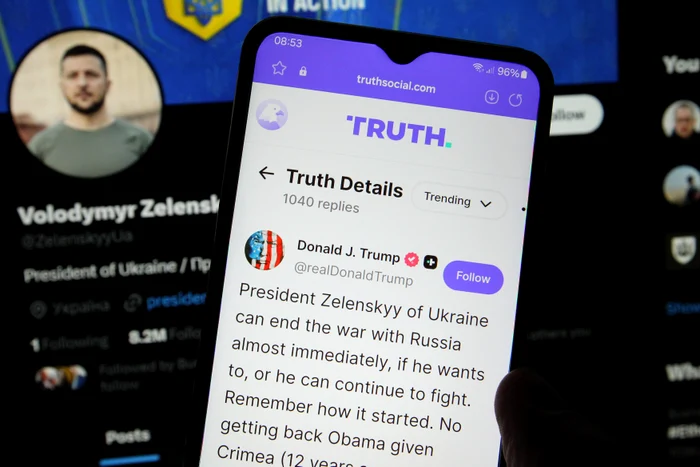
Trump posted the message on Sunday night, a few hours before his meeting scheduled at the Oval Office with the leaders of Great Britain, Finland, France, Germany, Italy, EU and NATO, against the background that US president could try to press Kiev to accept a favorable understanding.
“President Zelenski of Ukraine can end the war with Russia almost immediately, if he wants, or he can continue to fight,” Trump posted. “It cannot be recovered by Obama (12 years ago, without a firearm!) And Ukraine can not enter NATO. Some things never change!”, He added.
A minute later, the US president posted that it is a “great honor” to host so many European leaders at the same time at the White House.
These comments are likely to arouse concern among European diplomats trying to prevent a repetition of public dispute during the last visit to the White House, in February, when Trump and US Vice-President JD Vance accused him of ingratitude and lack of respect. “You are not in a good position. You don't have the necessary books now.”
Upon arrival in Washington on Sunday night, Zelenski said he hopes that the “common force” of Ukraine with American and European counterparts will cause Russia to reach peace.
“I am grateful to the President of the United States for the invitation. We all want to put an end to this quick and safe war,” Zelenski wrote on Telegram. “And I hope that our common strength, America and our European friends will cause Russia to reach a real peace.”
The White House has announced that Trump will first meet Zelenski, and only then with European leaders.
Even before Trump's comments on Sunday, Zelenski had the difficult task of reverse the possible dimensions of Ukraine's security following the Trump-Putin summit on Friday, The Guardian notes.
Previously, Trump had accused the press of distorting the “great meeting in Alaska” – a visit presented by the Russians as a victory for Putin. On Sunday, Trump claimed that he had “great progress” about Russia, without giving details.
European leaders will reaffirm their support for the territorial integrity of Ukraine on Monday and will argue against any plan of exchange of territories that reward Russian aggression. They will also seek additional clarifications on the security guarantees that the US is willing to offer in the event of an agreement.
Russia claims their own security guarantees
Mihail Ulianov, the sending of Russia to the International Organizations in Vienna, said on Monday morning that Russia accepts that any future peace agreement with Ukraine must provide Kiev security guarantees, but “it has the right to expect Moscow to receive efficient security guarantees.”
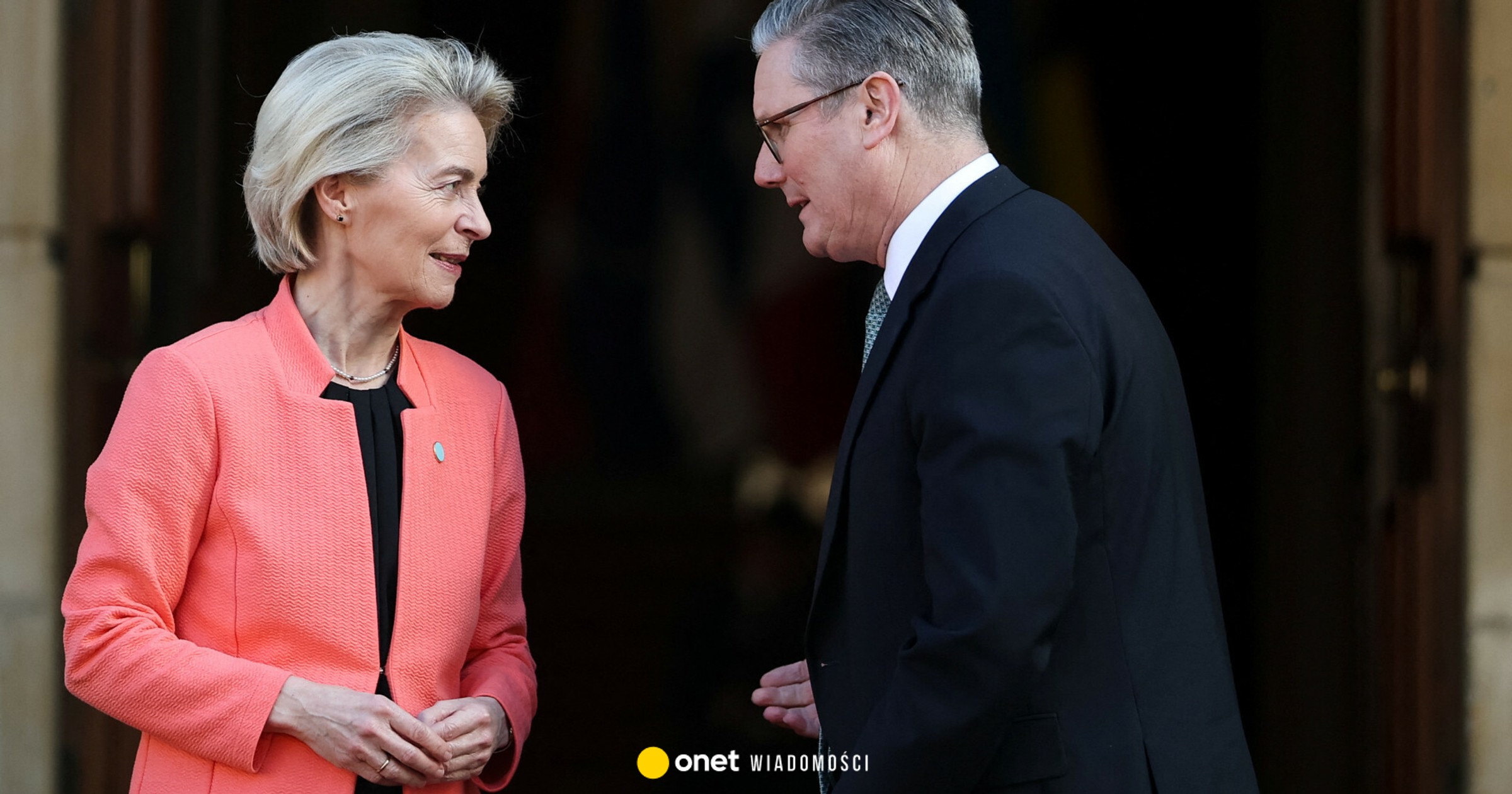
In a statement announcing his visit to Washington, British Prime Minister Keir Starmer, praised Trump for “his efforts to end Russia's illegal war in Ukraine.” At the same time, he reaffirmed the red lines of Europe. Starmer said that “the path to peace” cannot be decided without Zelenski and stressed that Russia should be “pressed” through additional sanctions.
Trump's special envoy, Steve Witkoff, told CNN that Putin had agreed for the first time for the US and Europe to provide protection of Ukraine as part of an agreement. This would be in NATO protection, but it would be an equivalent of the self -defense pact provided for in Article 5 of the Alliance, Witkoff said.
Trump said Putin would agree to conclude an agreement if Ukraine agrees to give up his eastern Donbas region, including areas that Russia does not control. Zelenski previously warned that this would mean that Ukraine loses key defensive positions, which makes it vulnerable to Russian attacks in the future.