Live all eyes to the White House: Donald Trump receives Volodimir Zelenski and seven European leaders / last statements before meetings


Ukrainian President Volodimir Zelenski and European allies are received at the White House by Donald Trump today, three days after the Alaska summit between American and Russian leader. Then Trump agreed Putin's proposal to ask Ukraine to give up some of the territory, according to New York Times. Now, the next move of the American leader is expected. right CNNTrump is about to ask Zelenski to give up Crimea and claims to join NATO.
HotNews.ro transmits in LiveText format all US events:
Zelenski's message before meeting with Trump
While preparing for the meeting with US President Donald Trump, Ukrainian leader Volodimir Zelenski lamented the Russian bombing during the night, whom he described as “demonstrative and cynical.”
According to Zelenski and local officials, the Russian air attack hit a residential building in Ukraine.
“They are aware that today there is a meeting in Washington that will approach the end of the war,” Zelenski said about Moscow officials, according to ABC News.
He added that European and NATO officials who are going to join Trump at the White House are all looking for a “worthy peace and security.”
“The Russians deliberately kill people, especially children,” Zelenski said. “So far, seven people have been killed following the Drone attack in Kharkov, the youngest being a girl of only one and a half, and dozens of people were injured, including children,” said the Ukrainian leader.
Initial news: The program of the day starts at 20.00 (no Romania time) when Donald Trump will receive Volodimir Zelenski at the White House. A quarter of an hour later will begin the bilateral meeting between the two heads of state.
She is scheduled to take an hour, according to the official program published by the White House.
On 21.15, Trump will welcome European leaders who support Ukraine. The meeting with the six European leaders is scheduled to start at 22:00.
What are the European leaders going to the White House
Will come to the White House:
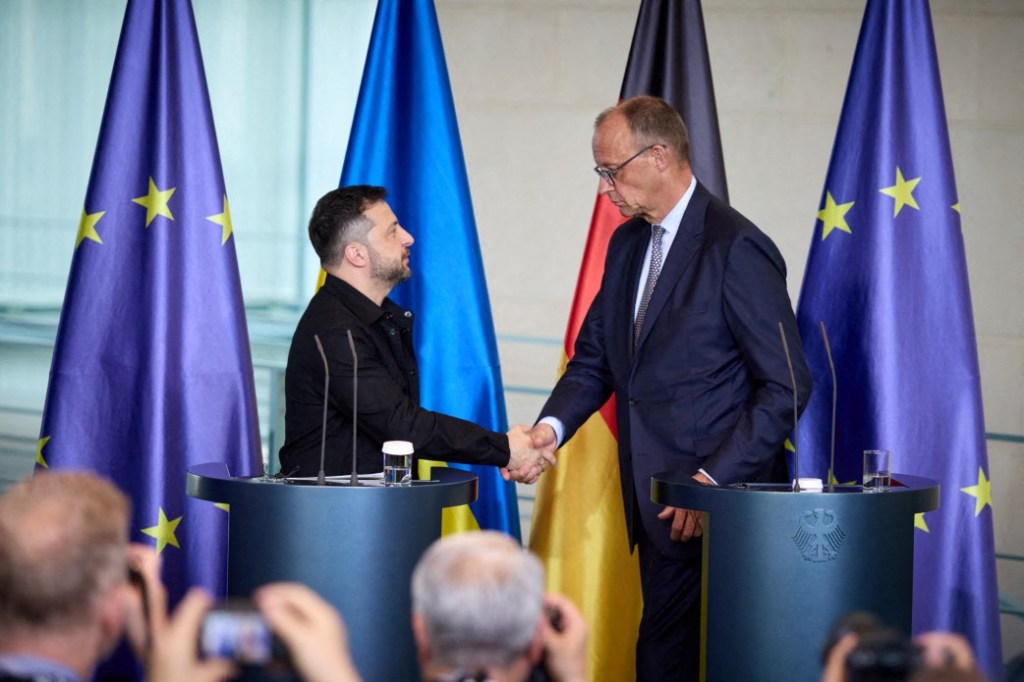
- German Chancellor Friedrich Merz
- The head of the European Commission Ursula von der Leyen
- French President Emmanuel Macron
- British Prime Minister Keir Starmer
- The Prime Minister of Italy, Giorgia Meloni
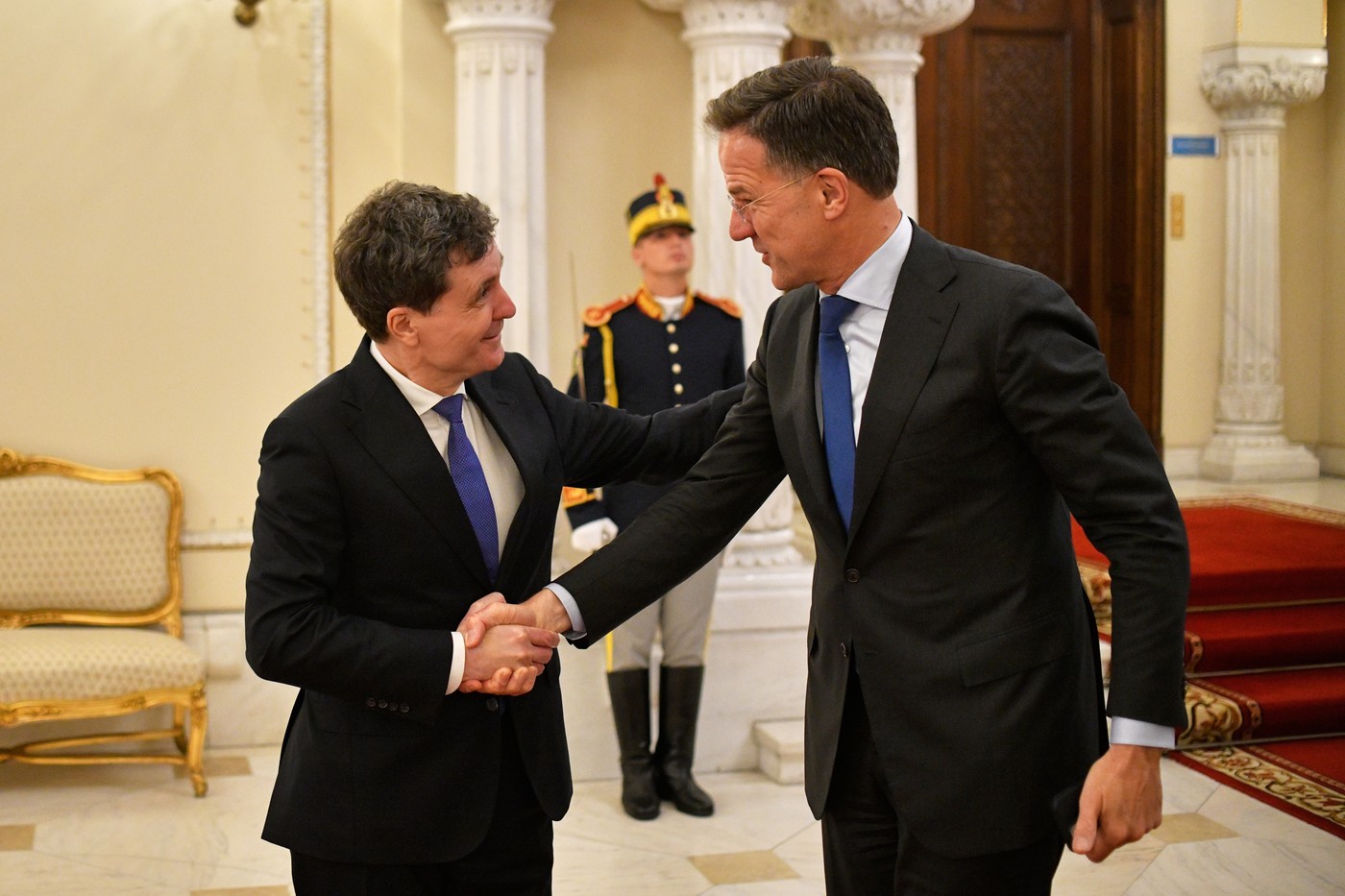
- The Secretary General of NATO Mark Rutte
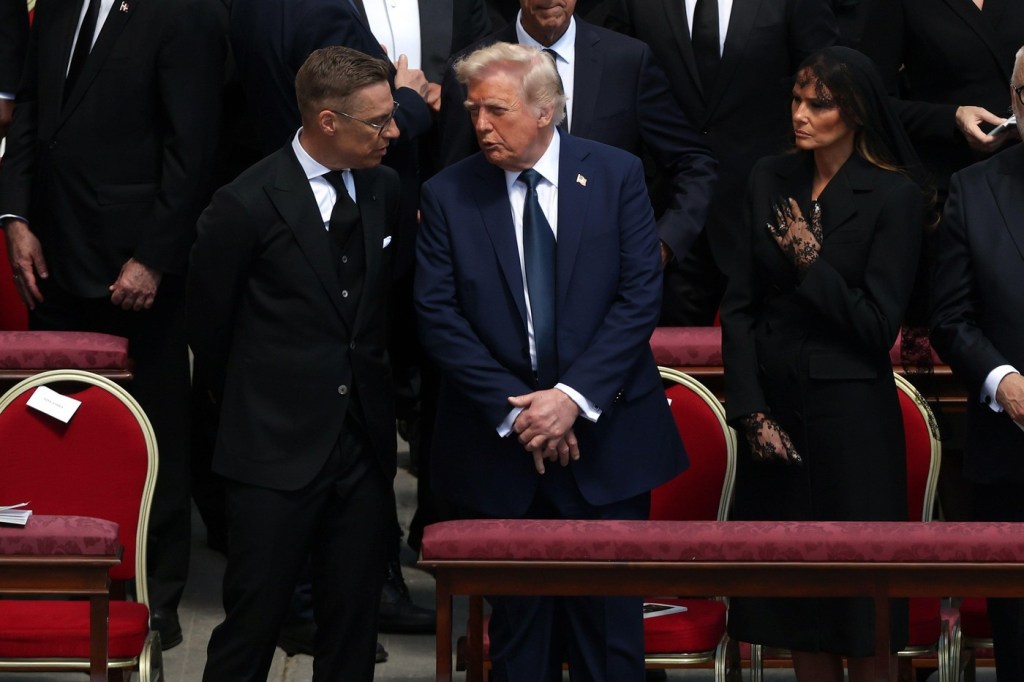
- President of Finland, Alexander Stubb
The latter met Trump earlier this year, in Florida, when he played Golf with him.
What message Volodimir Zelenski comes to negotiations
The Ukrainian president asked on Sunday, shortly after landing in Washington, a “sustainable” peace that ends the Ukraine war and warned that Vladimir Putin has confiscated Ukrainian land “as a launching ramp.”
Russia currently occupies a fifth of Ukraine, including Crimea Peninsula and large portions of the east of the country. Trump told European leaders that a peace agreement can be reached if Zelenski agrees to give up the Donbas region.
The Ukrainian president stressed that Kievul cannot give up any territory and recalled that Russia's illegal annexation in 2014 of the Crimean Peninsula was a lesson that shows that Russia will not stop.
“We all share the strong desire to end this war quickly and reliably,” he wrote. “And peace must be durable. Not a few years ago, when Ukraine was forced to give up Crimea and part of our country, a part of Donbas, and Putin simply used this as a trampoline.”
He also stressed that the “so-called” security guarantees received from Russia, the US, and the United Kingdom in the 1994 agreement in which he agreed to give up Soviet nuclear weapons, which is why he does not trust in new ones.
What the European leaders said
German Chancellor Friedrich Merz has reported a positive aspect for Europeans following the Alaska summit, saying on Saturday that the United States is ready to participate in the security of Ukraine in a peace agreement, according to The Guardian.
After Trump's special emissary Steve Witkoff suggested that security guarantees could be comparable to mutual protection provided for in Article 5 of the NATO treaty, the question was asked whether Europeans were willing to send their own troops to Ukraine.
However, Trump's promise was extremely vague, as European leaders said that, in order for the guarantee to have any weight to discourage against a new Russian aggression, the presence of at least part of the American troops would be needed.
United Kingdom: “An agreement that allows the Ukrainian people to live without new attacks”
The spokesman of British Prime Minister Keir Starmer said the UK would support a peace agreement in Ukraine without the cessation of fire being a prior condition.
“An agreement to ensure the return of peace to Europe and allow the Ukrainian people to live without fear of new attacks, an agreement to achieve this as soon as possible, but to put an end to the killings and turn this into a sustainable peace, supported by security guarantees, it would be an extremely positive step,” said the British spokesman.
Italy: “A peace that ensures the sovereignty and security of Ukraine”
Before leaving Rome, Meloni's office issued a press release stressing “the importance of continuing collaboration with the United States to put an end to the conflict and to make a peace that will ensure the sovereignty and security of Ukraine”, while confirming the need to “maintain the collective pressure on Russia and to ensure solid security guarantees”.
Meloni is the only European leader to participate in the inauguration of Donald Trump on January 20, 2025. She was last present in Washington in April, but met with the US leader at Pope Francis's funeral, when Trump discussed Zelenski in St. Peter's Basilica.
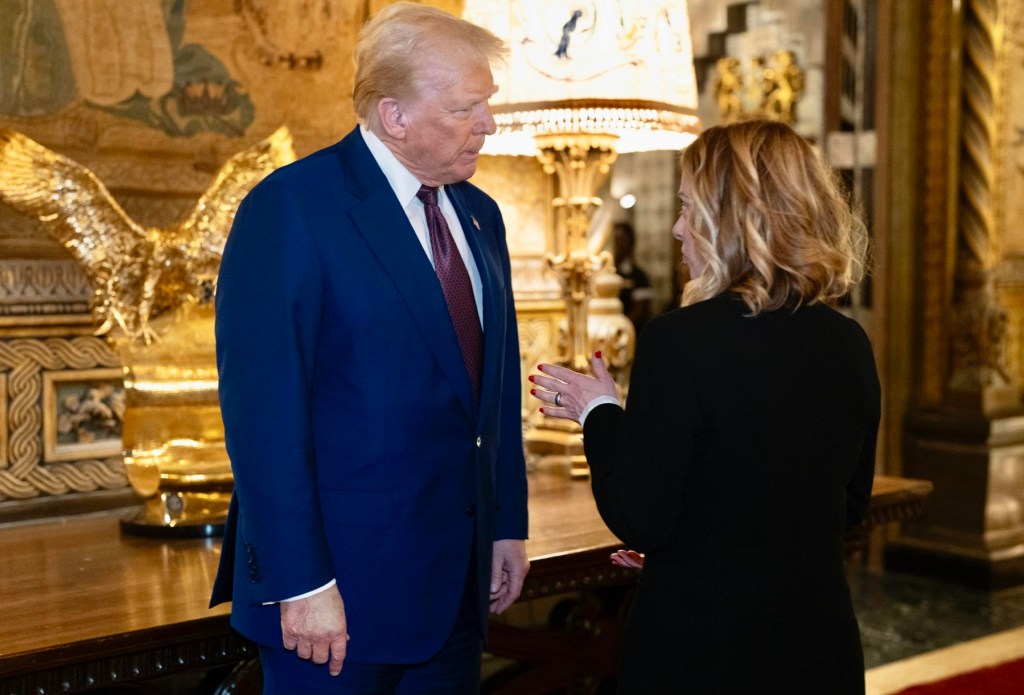
How the US Position has changed to Ukraine after the Alaska summit
Before reaching an agreement on the organization of a summit, Donald Trump gave Vladimir Putin the deadline of August 8 to accept an armistice in Ukraine. He warned that otherwise he will face new severe sanctions on his “ghost fleet”. None of these situations occurred.
Instead, Trump has announced that day that he will meet with Russian president for a summit in Alaska next Friday.
Before the summit, Trump said he wants to see a “fast” armistice. He said that there will be “serious consequences” for Russia, if Putin leaves Alaska without accepting an armistice. This did not happen either.
Instead, Trump and Putin discussed the details of a potential comprehensive peace agreement in Ukraine, changing their previous position on the armistice.
Trump discussed with Zelenski and European leaders immediately after Summit with Putin
On Saturday, Trump informed Ukrainian President Volodimir Zelenski and European leaders about his discussions with Putin. Shortly after the discussions, Zelenski and some of his main allies have announced that they will fly to Washington to meet Trump at the White House.
Special emissary Steve Witkoff told CNN that Putin agreed in Alaska to grant “solid” security guarantees as part of a possible peace agreement, including a provision that would allow the collective defense of Ukraine by the US and Europe if Russia would try a new invasion.
But on Sunday night, Trump again exerted pressure on Zelenski, saying that the Ukrainian president could end the war “almost immediately, if he would like”, giving up the hope of recovering the busy Crimea and the desire to join NATO.