Trump invokes Moscow's “war car” to hit India with new customs taxes: “Buy massive amounts of Russian oil”

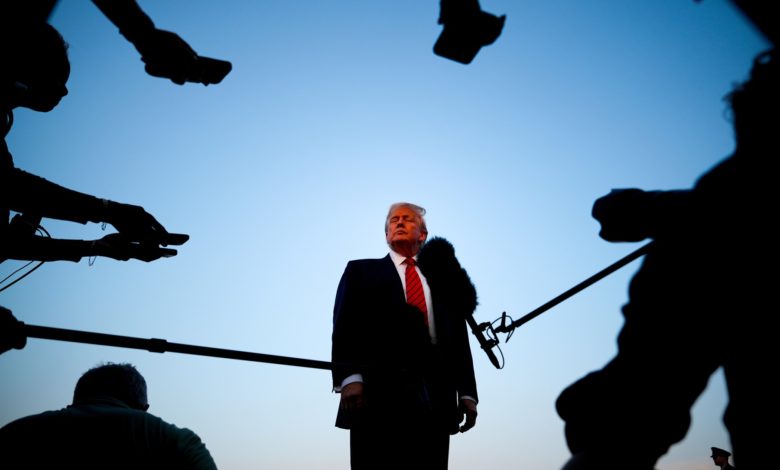
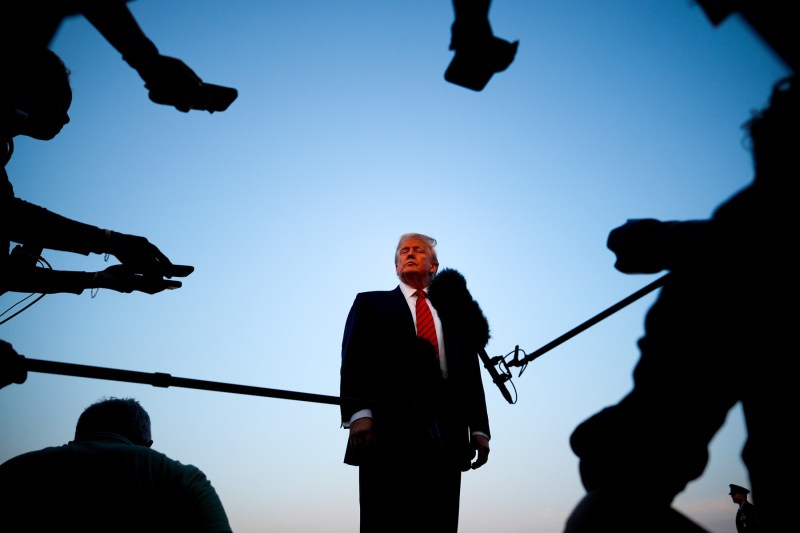
President Donald Trump talks to reporters before boarding Air Force One airport at Lehigh Valley International Airport in Allentown, Pennsylvania, on August 3, 2025. PHOTO: Julia DeMaree Nikhinson / AP / Profimedia
US President Donald Trump announced on Monday that he will “substantially” increase customs taxes on imports from India, as reprisals for what he has described as “massive” Russian oil, write Reuters and DPA agencies.
This statement of Trump comes after last week announced that the United States will impose (starting August 7) 25%customs duties, taxes that will be added a penalty that has not offered details, but saying that he aims to sanction India for the massive imports of product from Russia, and for the procurement. Russian military.
“India not only buys massive amounts of Russian oil, but much of the bought oil sells it on the free market with high profits. They do not care how many people are killed in Ukraine by Russia's war car,” Trump wrote on his social media platform, according to Agerpres.
“For this reason, I will increase the customs duties paid by India to the USA,” added the head of the White House, without any other details.
Indian government sources have told Reuters on the weekend that India will continue to buy Russian oil, despite Trump's threats.
In an ultimatum given last week to Russian President Vladimir Putin to stop the war in Ukraine in ten days, the US president threatened with secondary customs taxes to buy Russian oil.
Following Trump's last week's announcement on 25% customs duties and the unspecified penalty imposed on India, the government of this country said it would take “all the necessary measures to protect the national interest”, recalling that India and the United States have carried out negotiations for a commercial agreement “equitable, balanced”.
But the commercial negotiations between the US and India do not seem to have led to Trump's liking. The main dissatisfaction of the American part seems to be the refusal of India to open their market for agricultural products -including by authorizing the imports of generic modified products -, given that farmers form a strong electorate in this country.