Croatia over a year after the adoption of the euro. The authorities praise, high prices arouse emotions

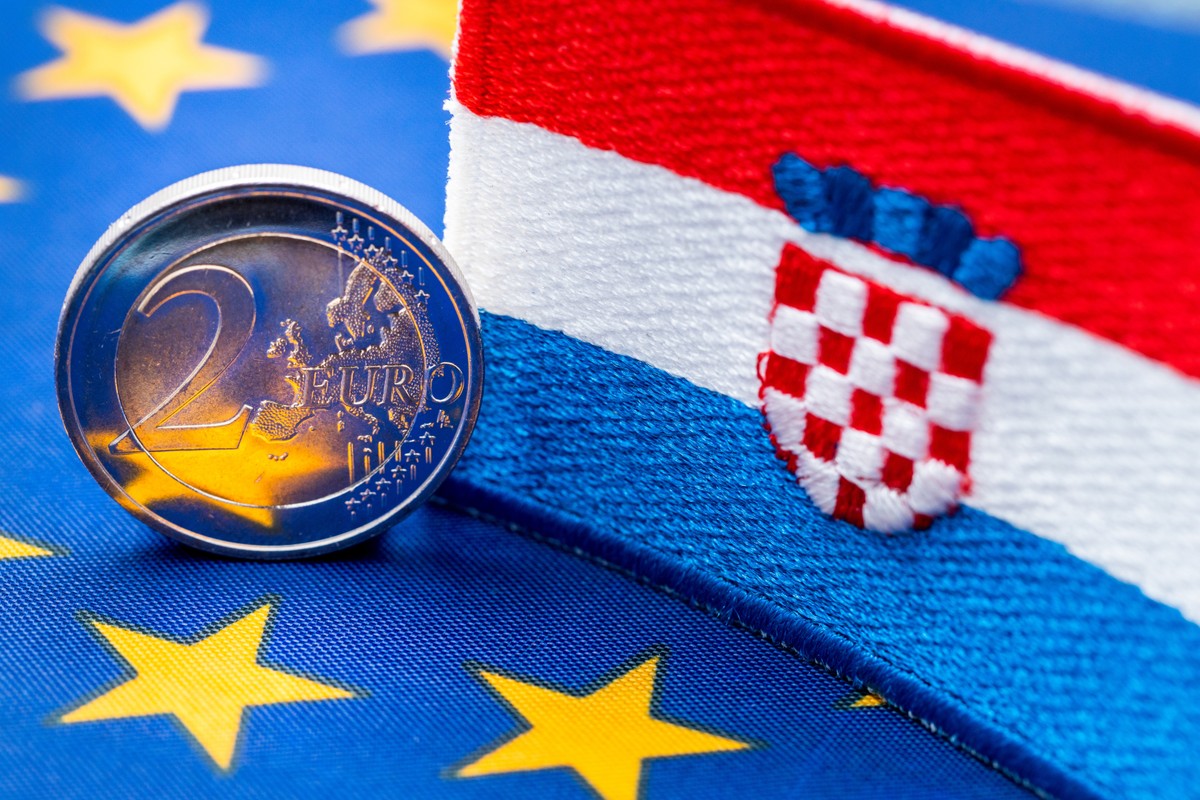
Croatia entered the euro area at the beginning of 2023, ten years after joining the European Union. The main goal was to increase economic integration: the euro was to reduce currency exchange costs, facilitate trade and investments, and reduce currency risk for companies.
Read also: Transfer prices under the magnifying glass of KAS. What changes await companies in Poland?
Euro in Croatia. Power satisfied, the residents are not entirely
However, before the change of social currencies, the mood was divided. The Eurobarometer survey from 2022 showed that Support for the euro fell to 55 percent, and as much as 81 percent respondents were afraid of increasing prices. These fears were partly confirmed.
Although prof. Firec Sorić from the University of Zagreb calculated that The adoption of the euro did not have a significant impact on the overall level of inflation, it recorded clear price increases in the clothing, food and hotel sectors. According to him, sellers often rounded up prices up to their favor.
Since its entry into the euro area, the economy of Croatia grew – in 2024 GDP increased by 3.8 percent, which was one of the best results in the EU. The tourist sector remained strong, and wages increased by over 30 percent. According to the Croatian National Bank The country saves around EUR 160 million annually thanks to lower transaction costs.
Read also: Tax U source: Controversy in the explanations of the Minister of Finance
High prices in Croatia after accepting the euro. The authorities began to control the price level
Despite this, one of the biggest problems still remains a high level of price, especially food. The media and consumers regularly compare prices from and after the introduction of the euro. In 2025, this even led to a social boycott of supermarkets, to which the government responded with the introduction of maximum prices for some products.
Social habits have also not changed overnight. The daily “Večernji's letter” wrote in May that Many Croats are still “counting in kunach” and “loses the sense of money”. In online discussions, users admitted that it is more difficult for them to assess the real value of products in euros.
– I used to be careful when I was to spend 150 kun, and today I find myself that 20 euros seems to me nothing One of the Internet users admitted. Another replied: – This is not a problem of currency, but a character. I was economical with a marten and the same I am from the euro.
Despite the controversy, Croatian National Bank and its representatives evaluate the decision as accurate. – Croatia felt all the expected benefits from membership in the euro area, even though we joined it in very difficult times – Ana Szabić from the Central Bank emphasized.