Ai versus electricity. Energy bills become a hostage to the Big Techu war with energy

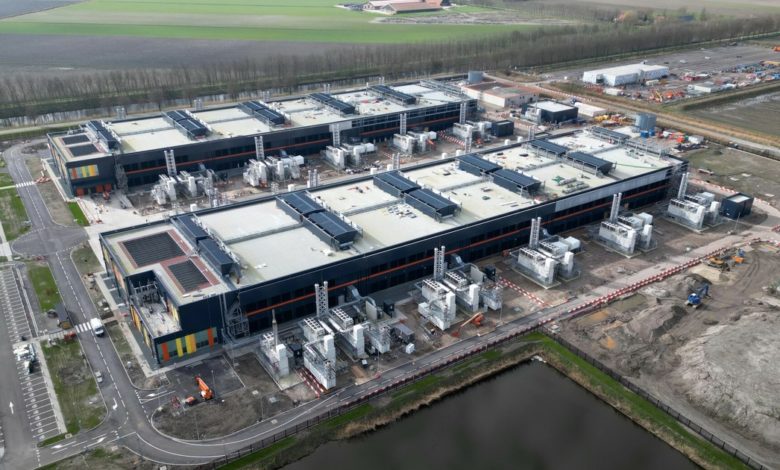
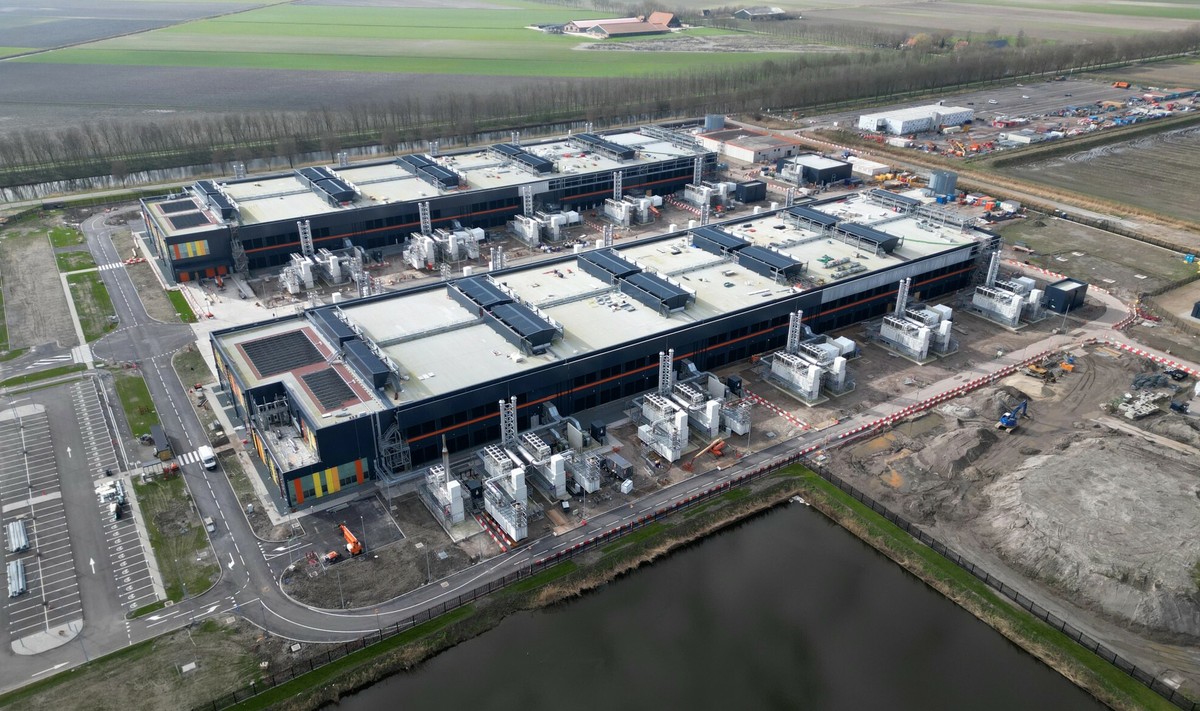
In the United States, there is a dispute that affects both technology and energy, as well as the portfolio of ordinary recipients. The rapid increase in data centers for artificial intelligence caused a race for megawatts and kilometers of new lines. The question is: who will pay for it? Google, Microsoft and Amazon or rather millions of households and small companies?
Read also at Business Insider
For now, the answer is shaped by regulatory committees, system operators and politicians, and The rate is growing with each tender for powers. The latest data from the largest energy market in the USA (PJM) show record prices in power auction for a year of delivery 2026/27, which PJM translates into an increase in bills by 1.5-5 percent. in the region.
In some cities on the east coast, customers can already see Jumping of a dozen or so or dozen dollars per month. Regulators directly bind them with a boom on the Data Center.
Check also: In this field, Great Britain definitely wins with the EU. “We won't invest in the Union”
Chatgpt and others have a huge appetite for electricity
The demand is growing faster than new power plants and lines. International Energy Agency estimates that electricity consumption by data centers around the world will increase by twice to 2030.to approx. 945 TWh. In the USA, the Energy Department warns that by 2028 American data centers can consume 6.7-12 percent. all domestic electricity consumption.
Special offer
In the PJM zone itself, the latest long -term forecast assumes the increase in a summer peak by approx. 56 GW in a decade, and The operator clearly adds an increase in the power ordered by the Data Center industry in zones such as Dom (Virginia) or AEP (Ohio). This translated into a historical reading in the power auction: $ 329.17/MW per day throughout PJM – this is another record after last year's nine -time jump.
The arguments of energy suppliers and network operators boil down to the principle “the perpetrator pays”. They believe that the construction of new blocks, transformer and lines just to power huge, but sometimes delayed or changed projects, It cannot result in a balance spread over the entire customer database. That is why pressure on the so -called Minimum consumption contracts and separate tariffs for “large loads”. Ohio has just adopted the principle that new data centers above 25 MW must pay every month for at least 85 percent. contracted power for up to 12 years, even if real consumption is lower. In Virginia, it is proposed to separate a tariff class for such recipients and a 14-year contract, which They shift the risk of not using power from the rest of the customers to data centers operators.
From the point of view of the network, the problem is also the pace of investment and accumulation of demand in several hot locations (northern Virginia, Central Ohio, Georgia). Georgia Power in his report writes about an extraordinary load increase related to data centers, and in the Dominion zone, plans include, among others construction of approx. 6 GW of new gas sources for the needs of reliability. Federal regulator FERC tries to organize the puzzle from above: “Order 1920” forces planning a long -range network and determining methods of distribution of costs with a greater share of state authoritiesand in parallel “Order 2023” reforms the connection of new manufacturing power to shorten the queues. All this is to reduce situations in which the costs are surprising (to the detriment) of end clients.
Read also: Roads of electricity slows down investments in the Data Center. “We are investigating the latest power solutions” [WYWIAD]
Big Tech replies that he is already paying – and invests
Google maintains the purpose of the work 24/7 on non -emission energy until 2030 and announces further contracts for energy warehouses and pure energy. Amazon, Microsoft and others buy long -term volumes from nuclear power plants. Importantly, the loud Amazon agreement with Talen Energy at the Susquehanna nuclear power plant has been transformed from the controversial model “behind the meter” (risk of bypassing network fees) into a classic “in front of the meter”, with charges for transmission and distribution, which some regulators calmed down.
Companies argue that special, sharpened tariffs are discriminating and can stop investments, and they finance connections, substations and buy certified pure energy volumes.
However, intentions and practice do not always go hand in hand. The regulators blocked, for example, increasing the direct power supply of the AWS campus at Susquehanna, considering that This could push the costs to the rest of the recipients. Consumer organizations and researchers from Harvard Law also pay attention to confidential contracts with preferential rates that can cause that too much of the bill for new lines lands at ordinary customers. In Ohio, the industry Data Center Coalition publicly criticized the new AEP tariff as a discriminatory.
What does it lead to? First of all, for industrialization of the mix in the direction of available power. The PJM auction has shown that they win today – gas, coal and atom have the greatest shares, while there was only a few percent of the wind and sun in the power auction. Second: to the renaissance of solutions that Until recently, they were considered niche, i.e. the restarts of nuclear blocks (three mile island), contracts for permanent delivery from the atom or even piloting nuclear fusion financed by Big Tech. Thirdly, to bypass – from fuel liners installed on the spot by the network operator to private gas systems at campus that can relieve the network, but raise questions about costs and emissions.
The consequences for the consumer are double. Power fees and – indirectly – bills, especially in the eastern part of the country, are growing short -term. In Philadelphia, Pittsburgh or Columbus, households already see higher textures. In some states of PJM, bills can jump by 1.5-5 percent. Year on year as a result of the power costs, and in the peaks of demand there are even greater jumps.
Long -term everything depends on that How regulators will decide the principle of cost allocation. If tariffs with minimal consumption and long -term obligations on the Data Center, the risk of so -called Overalling will fall on Big Techu investors, not the rest of the customer base. If, however, the costs of expanding the network and production capacity are still widely treated around the market, individual recipients' accounts may feel AI as a digitization tax.
See also: From kicking cryptocurrencies to the billion AI empire. The unusual company is preparing for the debut on the stock exchange
It is not better in Europe
Europe is already experiencing US -like tensions. A boom for data centers under AI causes connecting queues, local moraratories and moving investments to regions with looser restrictions.
Ireland introduced sharp criteria for large recipients (flexibility of demand, own sources), the Netherlands limited hyperscale in selected locations, and Germany and Great Britain combine queues reforms with pressure on low -emission supply.
The main difference is that in EU more emphasis is placed on connection fees and “conditional” connectionsand the costs of deeper network reinforcements are more often resolved in the tariffs and regulatory frames, instead of transferring them directly to all recipients.
At the same time, there is a growing obligation (including reporting efficiency and water in EED) and models develop in which operators and developers divide the risk through agreements into flexibility, minimum consumption and joint investments.
For the consumer, this means that bills may increase where the costs of reinforcements will be “socialized”, but the benefits can bring faster ordering of queues, financing of connections by investors and the use of waste heat in urban heating.
If European network planning reforms and connecting rules work, the pressure on prices will be smaller and more fairly allocated. If not, then the American dispute about who pays for the network will go to Europe on a full scale and security of deliveries.
Author: Grzegorz Kubera, Business Insider Polska journalist