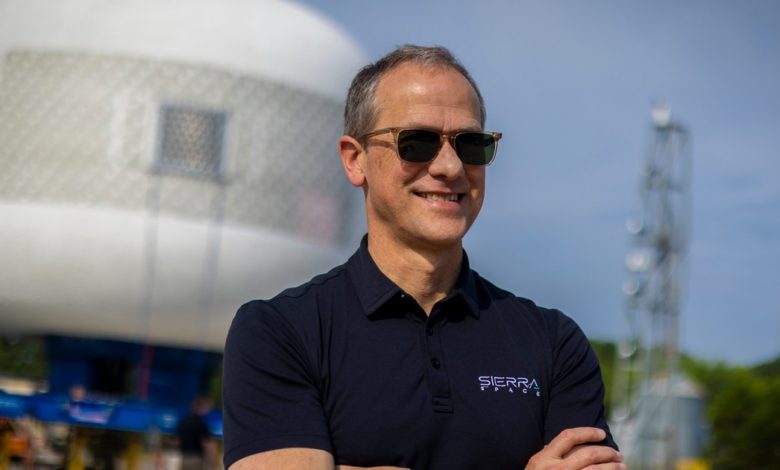
The following article in the form of first-hand reports is based on a saved conversation with Tom Marshburn, a 64-year-old former astronaut NASA, who is currently the vice president at Sierra Space. The following text has been shortened and edited for transparency.
At that time I took five space walks. Going out through the hatch, the endless universe stretched in front of me, and 400 km below was Earth.
Space walks were intimidating – some would say that terrifying – but I felt honored that I could do them. Although it was an amazing experience, I have no need to repeat them.
Today I work at a desk in the private sector.
Read also at Business Insider
Become an astronaut
I fell in love with space in high school. I studied physics and then made a master's degree in engineering. I dreamed of working in NASA in the construction of spacecraft. After writing the thesis in biomedical engineering, I realized that my strengths are in medicine. I trained in emergency medicine and practiced for about 10 years. At that time, NASA took doctors from outside as air doctors responsible for taking care of astronauts.
The selection process in NASA depends on the role and composition of the body. In my opinion, they are looking for people with technical knowledge, a wide range of skills and the ability to clearly communicate – both technical and non -technical. They are also interested in how the candidates took up challenges outside of work and what risk they took.
Read also: Not only a flight into space. What Poland will gain thanks to the mission of Sławosz Uznański-Wiśniewski
When I applied in 1994, I analyzed what accepted astronauts did, I made a list and began to tick off the next points. I did it – but There is no one way to become an astronaut.
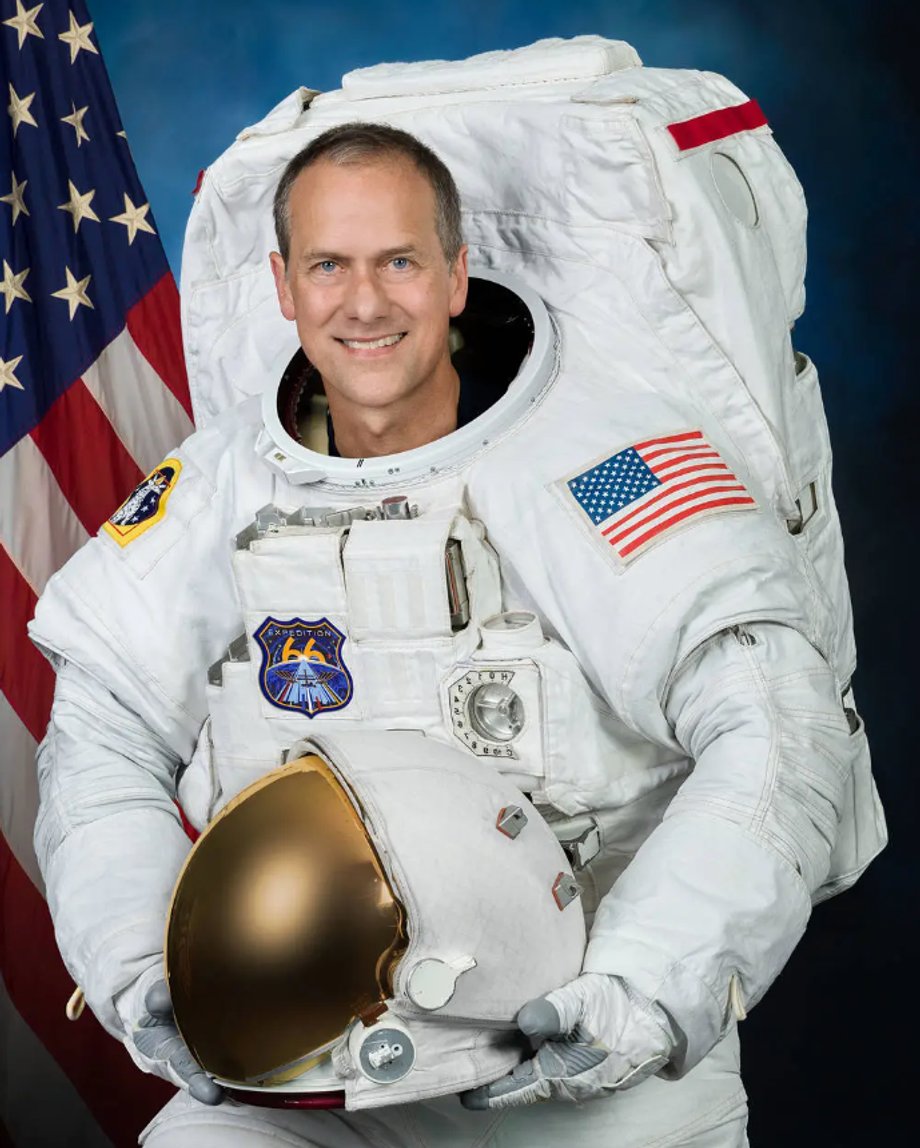
Tom Marshburn joined NASA in 1994.
| NASA
Training and missions
I joined NASA in 1994. I spent three months, learning Russian before I came to the so -called Star town near Moscow.
The training, especially in Russia, was physically and mentally exhausting.
I have never been as overheated or chilled as during winter and summer survival training. During one of them, my body temperature was 40 degrees C.
It was also difficult to part with the family. I have a daughter with my wife. We talked every day, even if we were tired. It became a habit.
I was an air doctor for the next decade. I supported one crew, then a lot, and finally the entire NASA medical program for ISS.
In 2004 I was chosen as an astronaut and spent 18 years in the body.
Read also: How is it possible that astronauts are younger than us? Surprising facts about time in space
Emergency space walk and preparation lesson
I took the first flight in 2009-a 15-day mission of the space ferry on ISS.
At the first start, you can feel excitement and anxiety – as before the most important exam in life. It sleeps little, but there is a lot of laughter and expectations. In this mission I took three space walks.
The second flight took place at the end of 2012. I flew on ISS with Russian Soyuz. No walks were planned, but three days before the return there was a failure – a leakage of ammonia.
Loss of coolant threatens to overheat the power system and turn it off, which is a serious problem. Usually, preparations for a walk last nine weeks – we had several hours.
This taught me how important preparation is.
The mission control had a plan, and we just implemented it. It was one of the best examples of teamwork I have experienced.
Transition to the private sector
In the years 2021–2022 I was a member of the SpaceX Crew-3 mission for about 6 months. This was my last mission, and the first for my friend from the crew, Kayla Barron.
After returning, I knew I was ready to leave the body. I was over 60 years old. There were many young, great people who deserved the flight, and I did not want to take their place.
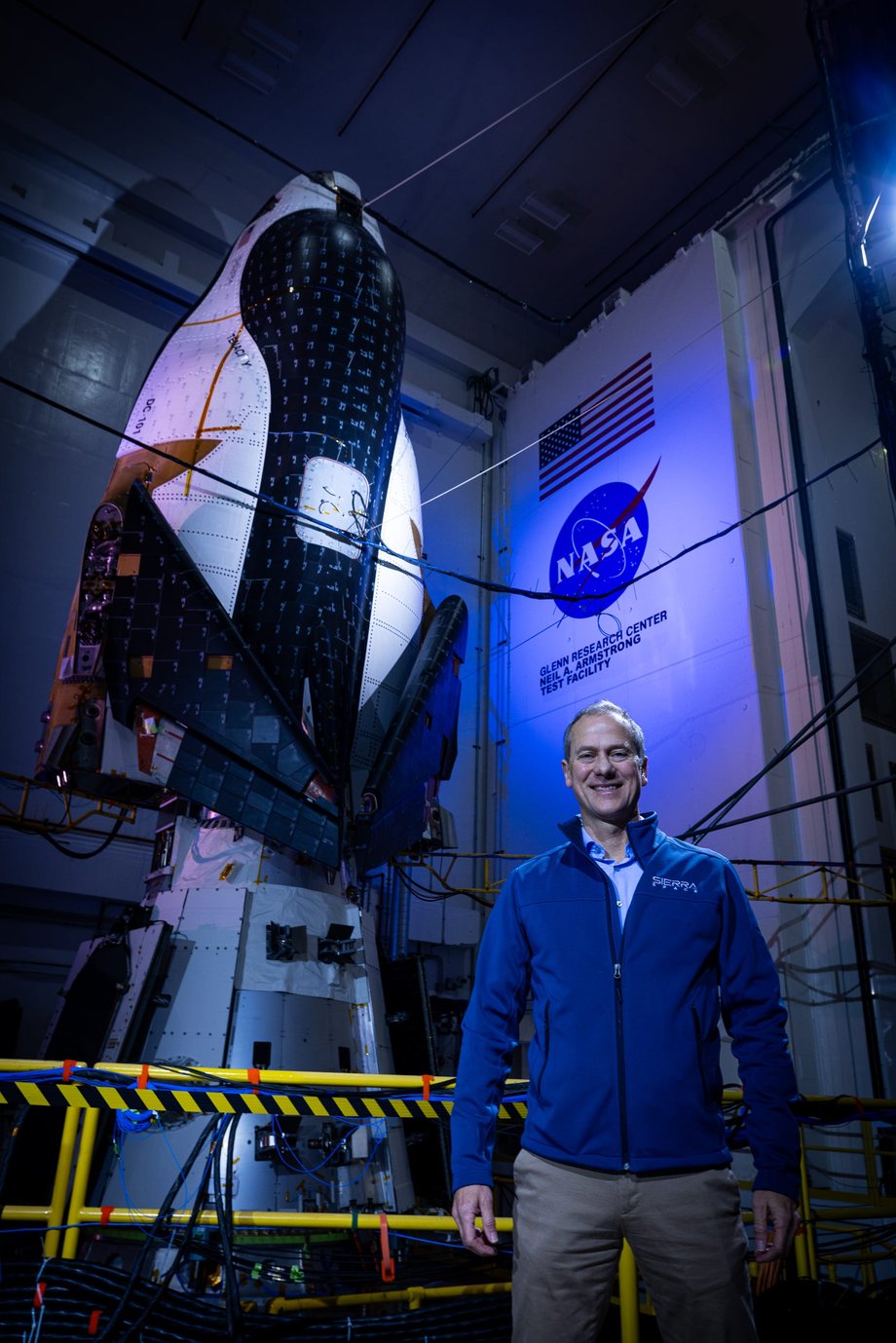
In 2022 I went to the private sector when an opportunity appeared in Sierra Space. I wanted to work so that others could fly into space. The company invests in space and platform for life in space.
Tom Marshburn left NASA and joined the private sector in 2022.
| Sierra Space
New role and lack of regret
I like the variety of my work. I deal with business development and requirements for human factors – so that space vehicles are safe and do not burden the body too much.
This is a calmer work – mainly at the desk.
I miss the physical aspects of the astronaut's life, but it had its price. Now I decide myself what my body can endure, and I am not sent to three nights in Siberian frosts.
Sometimes, when I see old colleagues and hear what they are doing, there is temporary regret – but it's really just a moment.
I brought a lot of lessons from NASA to a new job: Leadership, team building and technical knowledge about people in space.
Office work at Sierra Space is the right place and the right time for me.
The above text is a translation with American Business Insider edition
I’m Ashley Davis as an editor, I’m committed to upholding the highest standards of integrity and accuracy in every piece we publish. My work is driven by curiosity, a passion for truth, and a belief that journalism plays a crucial role in shaping public discourse. I strive to tell stories that not only inform but also inspire action and conversation.