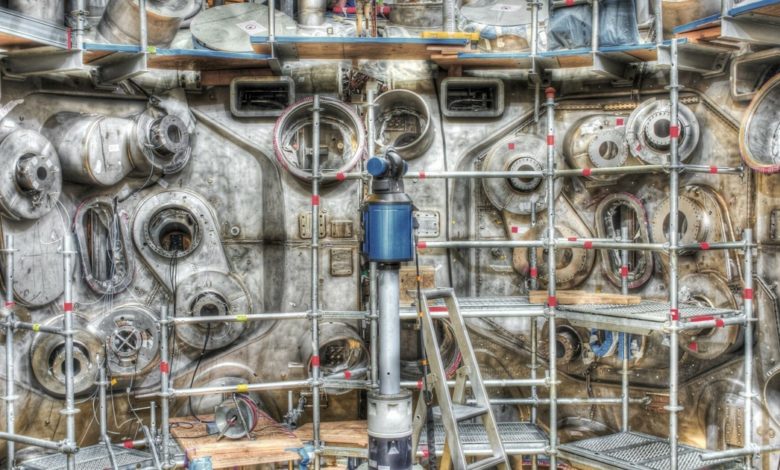
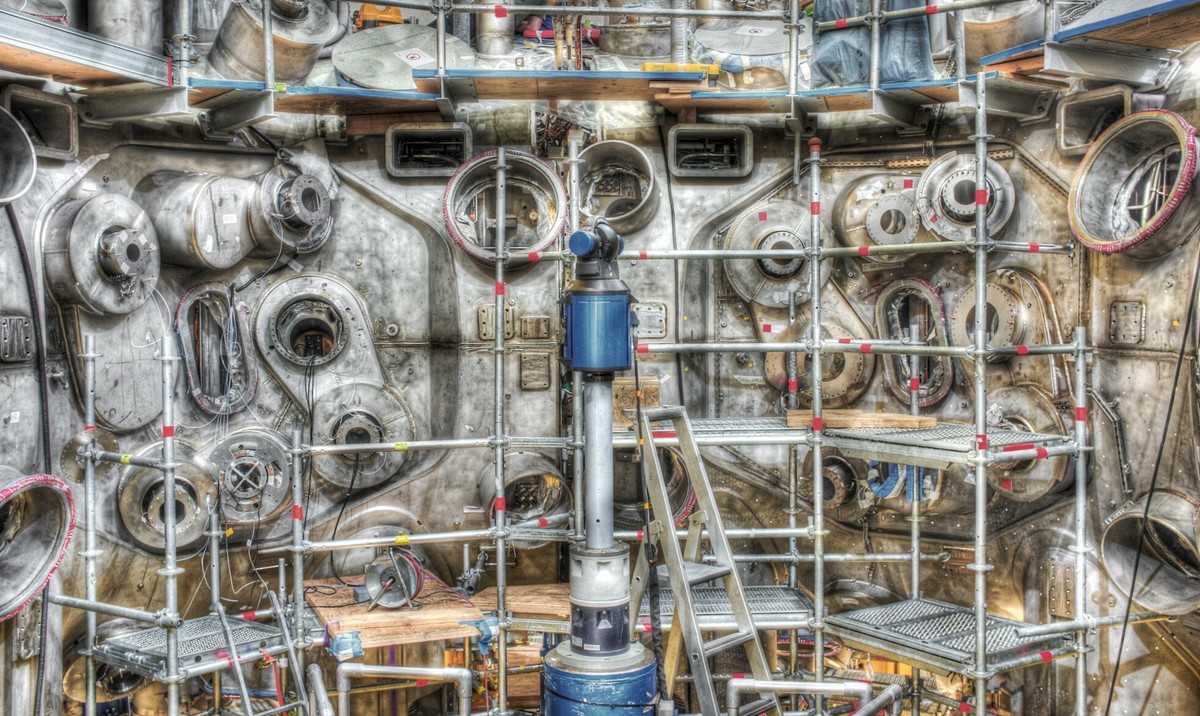
When another sequence of experiments was launched in the laboratories in Greifswald. Many observers remembered recently recent problems with the reactor cooling system. Damaged elements were replaced, and after modernization, the device not only returned to work, but has just beat the longest time in history of maintaining high -performance plasma: 43 seconds at a temperature of up to 30 million degrees C. This result raised the so -called Triple product – a close -up indicator to the energy breakthrough – to the level that only larger tokamaki (reactor in the shape of nuclear synthesis) have been dealing with.
For laymen, 43 seconds may sound like a moment, but in plasma physics there are three parameters: ion density, temperature and time through which the hot mixture can stop energy. If any factor falls, the reaction goes out. Stellarator Wendelstein 7-X, the world's largest experimental fusion reactor, proved for the first time that this type of device can maintain all three values not only at a level comparable to Tokamak records, but longer than before. It is important because Stability on a minute scale is a condition for the future fusion power plant to work constantlynot just in short “snaps”.
Stellarator differs from Tokamak complicated magnetic coil geometry. A side effect is a more expensive construction, but the prize is tempting: the plasma automatically remains stable, without having to introduce electricity inside it, which eliminates the risk of violent disturbances known from tokamaks. The latest feat shows that theoretical advantages translate into practice – and despite earlier failures, which for a moment forced skeptics to write about a broken reactor.
The key to success was international cooperation. The OAK RIDGE laboratory in the USA has developed a unique feeder of microscopic balls of frozen hydrogen, which during the record, with precisely controlled intervals, constantly “fed” hot plasma. When at the same time it was bombarded with microwave waves in cyclotron resonance technique, the balance between fresh fuel and energy supplied from the outside was maintained.
This is good news not only for physicists
Why should all this celebrate someone beyond a small group of physicists? Current nuclear reactors generate electricity by splitting uranium, leaving radioactive waste. Synthesis – a process that drives the stars – connects light hydrogen nuclei in Hel, generating colossal energy with minimal waste and without CO2 emissions.
When we master it technically, we will receive a virtually inexhaustible source of fuel electricity that can be extracted from sea water. The obtained result does not mean that we will include a fusion power plant tomorrow, but it moves the needle of progress towards the values required to the so -called balance (Breakeven), in which the reactor produces more energy than it consumes.
What next? Max-Planck-Institut für Plasmaphysik team He announces subsequent campaigns in which he will extend the plasma time to a few minutes and will increase the pressure in the entire volume of the chamber so as to achieve the levels needed in the commercial installation.
Parallel in Europe, the Demo Demo demonstration power plant is underway, and the results from Greifswald will go straight to the designers of this future energy infrastructure.
If subsequent tests confirm today's achievement, it can be said that the “damaged” reactor once became a vehicle of one of the most important technologies of the 21st century.