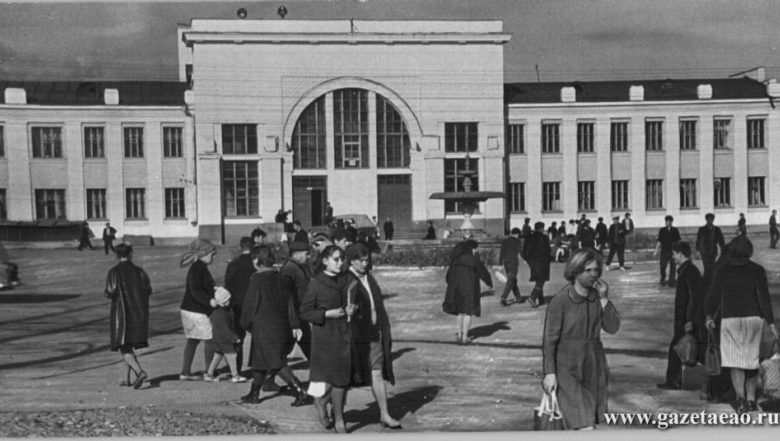
July 22, 1941 The Bureau of the regional committee of the CPSU (B) and the Executive Committee of the Regional Council of Workers' Deputies adopted a resolution “On the transfer of enterprises and artels to issue products for the needs of defense”, which defines specific measures to restructure all work in a military manner. In a short time, many enterprises switched to the implementation of military orders, the production of products necessary for the front. The region began to supply military wagons, ammunition, uniforms, military sanitary property.

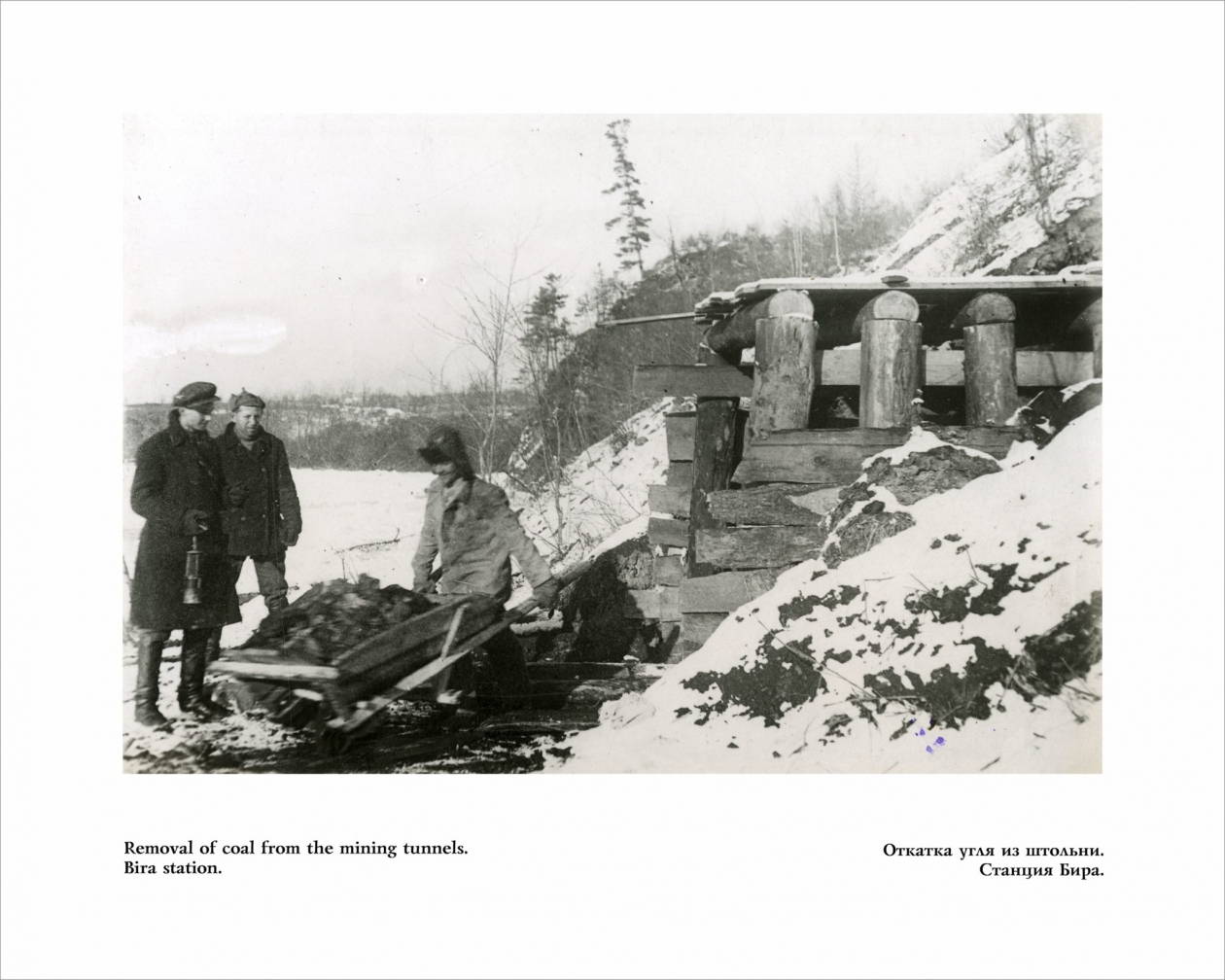
Coal rolling out of the adit. Photo: Photo: Gosarchive EAO
July 22, 1907 In Khabarovsk, Trofim Tikhonovich Doroshenko, Hero of the Soviet Union, was born in a working family.
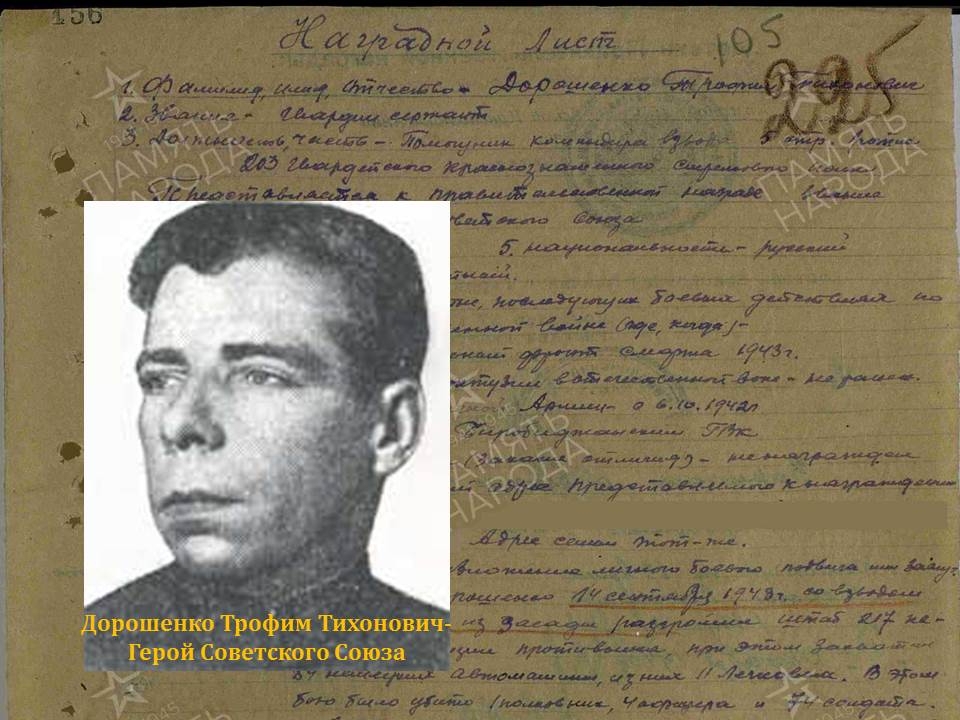
Trofim Tikhonovich Doroshenko. Photo: Photo: Regional Library
Trofim Doroshenko graduated from incomplete secondary school. He lived in the village of Nikolaevka of the Smidovic district of the Jewish Autonomous Region, worked at the Tunguska forestry No. 8. In 1922 he participated in the battle of Volochaevka, then served in the Red Banner Amur Military Flotilla.
From the first days of the war he was eager for the front. In 1942, Doroshenko was re -drafted into the army of the Birobidzhan RVC. He was aimed at the front, near Stalingrad, where he accepted military baptism.
On September 23, 1943, the Nazis twice attacked the platoon of Doroshenko, but the attacks were repelled with large losses for the enemy. Another time, the platoon of scouts Doroshenko destroyed the Nazi column, 30 vehicles, several guns, more than 150 soldiers and officers.
Trofim Timofeevich was heavily shell -shocked. He woke up in the hospital, where he was amputated with his left hand at his shoulder.
By a decree of the Presidium of the Supreme Soviet of the USSR of October 16, 1943, the guard sergeant Trofim Doroshenko was awarded the high title of Hero of the Soviet Union with the award of the Order of Lenin and the Golden Star medal No. 2789 for successful crossing of the Dnieper River north of Kyiv, a strong consolidation of the bridge of the river and the dedication and Gelayism manifested at the same time.
On February 8, 1944, Doroshenko Trofim Tikhonovich Mikhail Ivanovich Kalinin handed the Order of Lenin and the Golden Star of the Hero of the Soviet Union in the Kremlin.
After the war, Doroshenko, a personal pensioner of union significance, settled in the city of Tambov.
T. T. Doroshenko died on February 11, 1970, was buried in the Vozdvizhensky cemetery of Tambov.
Doroshenko Trofim Tikhonovich was awarded the Order of the Red Star, medals.
In the village of Nikolaevka, where a hero lived and worked before the war, one of the main streets was named after him. On one of the houses on the street. Festival pos. Nikolaevka in the 70s, after the death of Doroshenko, a memorial plaque was installed.
There is Doroshenko Street in the city of Khabarovsk.
In 2015, the name of the hero was immortalized on a separate pylon of Victory Square in Birobidzhan.
In the newspaper “Birobidzhan Star” (12+) For July 22, 1936, articles were published on the release of the first issue of the magazine “Expost” (12+).
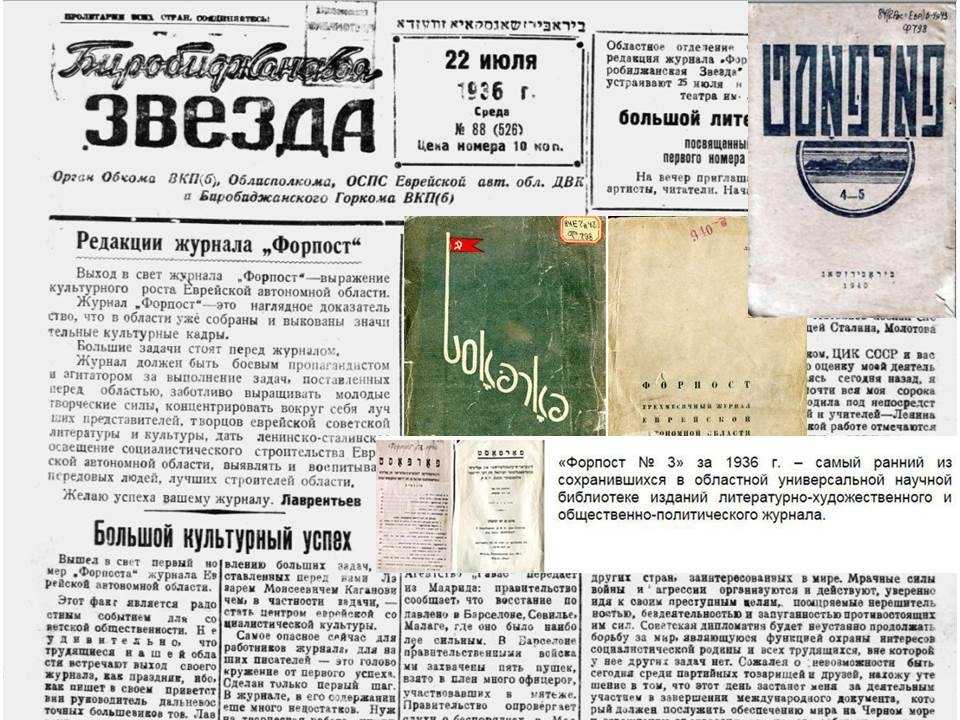
Birobidzhan star. Photo: Photo: Regional Library
On the first lane of the newspaper, an article by the Secretary of the Dalcraikom of the All -Union Communist Party of Bolsheviks (b), Comrade Lavrentieva about the magazine:
“The output” outpost “is an expression of the cultural growth of the Jewish autonomous region.
The magazine “Opost” is a visual evidence that significant cultural personnel have already been collected in the region.
Great tasks are facing the magazine.
The magazine should be a fighting propagandist and agitator for fulfilling the tasks set in front of the region, carefully grow young creative forces, concentrate the best representatives, creators of Jewish Soviet literature and culture, give Leninist-Stalinsky coverage of the socialist construction of the Jewish autonomous region, identify and educate advanced people, the best builders of the region.
I wish your Lavrentiev magazine success. “
On the third page of the same newspaper there is an article about the first issue of the magazine “Expost” (12+).
“A great joyful feeling covers everyone who picks up the first issue of the magazine of our young Jewish region. The magazine” Expost “is another sign of our cultural growth and cultural maturity, this is our entry into the great and rich literary life of the great homeland of socialism …
Literary and artistic material in the magazine begins the ballad of one of the talented Jewish poets-Pereza Markish.
Then there is a large story of one of the best masters of the Jewish Soviet prose of David Bergelson.
The number ends with literary and critical essays: Khashin-“The Great Artist of the People” (12+) to the 20th anniversary of the death of Sholom Aleicham and Dobrushin-“Birobidzhan” and “Birobidzhants” (12+) about the books of Alberton and Bergelson.
The magazine contains 220 pages, has a number of illustrations, published on good paper. The cover is made by the young Birobidzhan artist Comrade Rosenblite.
N.Ts. “
Also, on the third page of the Birobidzhan Star (12+), excerpts from the works that were printed in the first issue of the magazine “Expost” were published – “The Border Guarder” of Pereza Markish (12+), “In a new place” (from the story “Mount”) D. Bergelson (12+).
Reference: Magazine “Expost” The socio-political and literary and art edition, which was published in Birobidzhan from 1938 to 1941. A group of writers, journalists worked on the creation of the magazine, and the writer Joseph Rabin led the work, who lived in Birobidzhan in 1936-1937 and headed the writer's organization of the EAO.
The executive editor of the “outpost” became the post of editor of the newspaper Birobidzhaner Stern (12+) Gene Kazakevich.
Initially, the circulation of the publication was 1000 copies, later it was increased to 1,500. The “outpost” was supposed to go out once every three months.
On the pages of the “outpost”, writers such as Izi Harik, ICIC Bronfman, Laby Kvitko, Aron Vergelis, Lyubov Wasserman, Grigory Rabinkov and others published their works. “Outpost” was called the best Jewish magazine in the USSR.
In 1941, the last four issues of magazines were released, the circulation had to be reduced to reduce costs. In October of this year, by the decision of the regional party committee, the seal of the magazine “Expost” was stopped. In total, twenty numbers of the magazine were created during the period of existence.