The terrible attack of the killer in the depths. The earthquake story that inspired the famous novel Moby Dick

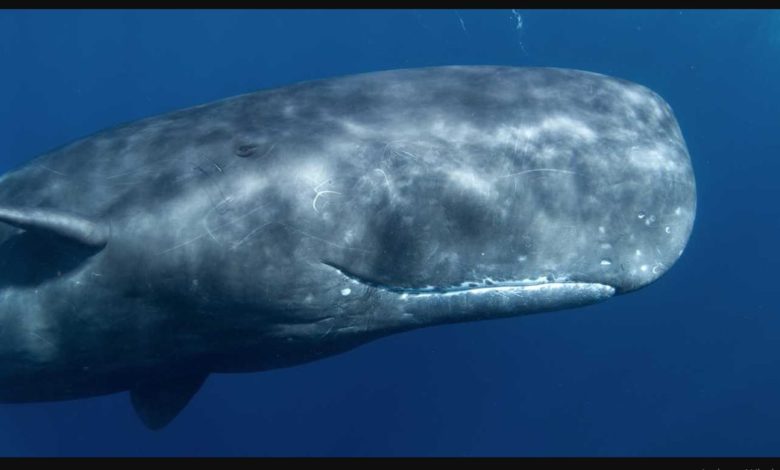
One of the most ferocious attacks on a marine creature on man took place in 1820. A 25-meter castelot destroyed an American whale inspiring American writer Herman Melville to write the famous novel “Moby Dick”. The actual story is shocking.
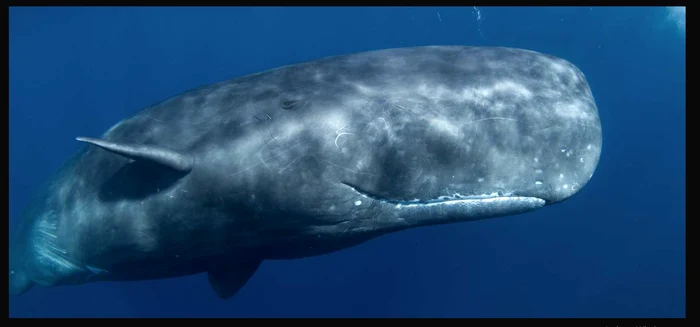
A huge casalot destroyed the ESSEX Whale MarinemammalCenter.org
In 1851 the novel “Moby Dick” appeared by the American writer Herman Melville. Melville's book tells the extraordinary story of Captain Ahab, a great wolf obsessed with revenge on a huge casalty called Moby Dick. The huge Marin Mamifer had left Ahab without a leg, but he had also destroyed the ship. The novel of the American writer was an exceptional success, becoming a classic work of world literature, preferred by all enthusiasts of adventures and stories that keep you with your soul. The story of Moby Dick was also screened, including in 2015. Behind this seemingly fantastic, fruit of the imagination of the American author, there was a real event, of a special drama. The story of Moby Dick was partially inspired by Owen Chase, first-offser on the Essex whale's crew, but also by George Polard's testimonies, the captain of the same vessel.
A journey started from the heaven of whale hunters
The real story that served as an inspiration for Moby Dick begins in Nantucket in 1819, an island in the Massachusetts area, on the East Coast of North America. Nantucket was a paradise of whale hunters, an industry from the eighteenth century and continued to bloom at the beginning of the 19th century. They were especially sought after. They had in the huge head, a large amount of sperm, an oily substance due to which they had a large diving capacity. Spearm was essential for the production of lighting oils. It was highly sought after both in the cosmetic industry and for the manufacture of candles.
The hunting of the casualties was made with the help of special ships equipped with six -person boats and all kinds of hooks for towing and then processing the casualt housings. It was a dangerous and difficult activity. The whales were leaving for years in the search for the precious substance in the skull. The huge marine mammals, which reach 20 meters long, were hunted with the help of boats. Basically, when a cashal was spotted, after the water jet thrown in the head area, the boats with six -sailor crews were left to the water. Some were approaching the caves, and others threw the harp. The metal tip was deep into the skin of the cave. Usually, the Marin mammal left to speed, slamming the boat after him. At one point he was tired, and the harpooner gave him a graceful blow with the help of a special spear.
The ship was approaching and the cage leash was pulled on the edge. There it was sliced, taken the spear, the fat was boiled and transformed into oil, the meat kept, and what was superfluous thrown at the sharks. The patrons of Coranii and whale hunting companies earned real assets, and Nantucket was a worldwide hunting center. From Nantucket started his journey and Baleniera Essex, in August 1819. It was an old ship, smaller than the last generation ships, but was considered lucky. He had participated in six other expeditions and returned full of whale oil barrels and brought a substantial profit. It was 27 meters long, 238 tons and five whales hunting.
“Essex started his last journey in August 1819, leaving his native island Nantucket, Massachusetts, to the Pacific Ocean, rich in Caşalites. The 238-ton ship, built in 1799, was about 100 tonnes and two decades older than the most elegant ships leaving Nantucket. Casalot oil was considered a desired, even lucky ship by local whale hunters ”wrote the specialist in History Eli Wizevich, for Smithsonian Magazine.
A crew of kids, a mischievous captain and a bad sign
At the time of departure from Nantucket, Baleniera Essex had a crew of 21 people. He was led by Captain George Polard, a member of a prestigious family captains family and owners of a large profile company in Nantucket. It was seconded by Owen Chase, a legendary Harponier, at only 21 years old. The crew was mostly formed by very young sailors, including teenagers. Most of the mate were between 14 and 26 years old. Maybe because of the lack of crew experience, the trip started with the left. The ship entered a storm, even the second day at sea. The situation was managed so poorly by the captain and crew that the whale was about to be overturned. They also lost two of the five special whales hunting boats.
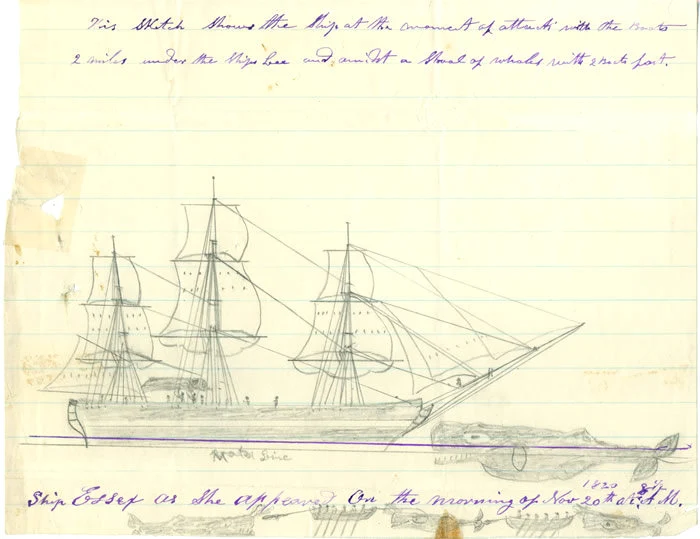
Sketch of the Essex PHOTO Wikipedia ship
“The whole crew of the ship was, for a short time, immersed in the greatest consternation and confusion.”wrote the second Owen Chase in his journey report, “the story of the most extraordinary and annoying shipwreck of the Essex whale ship.” The misfortune continued, giving over areas already drained by other whale hunters. Luck did not change once they bypassed the Horn's head and quietly followed the Chilean coast. Coming off the Peruvian coasts, the luck has come back. The Essex crew found a large “flock”. They killed 11 whales in two months, managing to fill 450 barrels. During a break in the ports of Peru, Captain Polard and the second Owen Chase learned of a hunting ground 1000 kilometers off the Costs of South America. To quickly fill the barrels, Polard left off. It would be a fatal decision.
The killer in the depths
On the morning of November 20, Baleniera Essex was 1600 kilometers from the Galapagos Islands, off the Pacific. Noticed a large group of cabinets. The boats were lowered and the hunt began. Owen Chase's team harponed a whale, but another one hit their boat by overturning it. Chase withdrew on Essex ship to repair his boat. The fatal moment has come. “There, Chase observed a” a very big caste “approaching quickly and then crashing into the ship. After a “terrible and extraordinary shaking”, Essex “rose to the surface as suddenly and violently as if it hit a rock and trembled for a few seconds like a leaf”shows Eli Wizevich for the same publication. Casalot returned for the second blow. While the ship was dusty, Captain Polard hunted with other mathelots in the area. Turned to see how the ship sank.
Despair and cannibalism
Polard and the whole crew only stayed with the boats. They gathered the supplies as they found before sinking the Essex and left for the South American coast, to save themselves. It was an impossible trip. “The crew was heading to the remaining whale fishing boats and, together with those who had not yet returned to Essex, spent the next few days saving supplies from the wreck, installing new sails for the small boat and debating where to sail for the rescue. Eventually, they decided to go to 2,000 miles.shown on Smithsonian Magazine. Found a desert island.
Some mathelots wanted to stay, and the others went on. Soon they were left without food. Then the drama began. Those who were hungry were eaten by the others. Only four people left in Polard's boat. When the bodies were over, he was drawn and even the captain's nephew was shot and eaten. The testimonies are tremendous. The human organs were cooked on hot stones. At 117 days after the shipwreck, the eight survivors were spotted and saved by two commercial ships. The story would mark the rest of their lives. Even though he continued to hunt whales, becoming a ship's captain, Owen Chase was haunted all his life for what happened after the shipwreck on Essex.