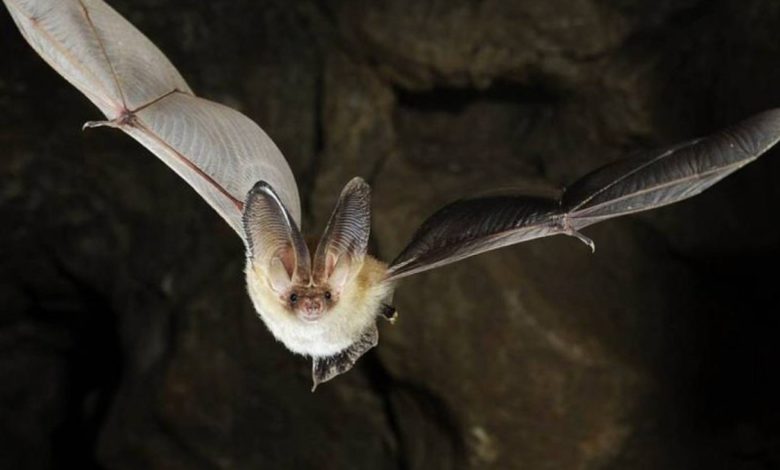
A man from Australia lost his life after being infected with Lyssavirus, transmitted through the bite of a bat. The rare and fatal virus, similar to rabies, has no treatment once the symptoms appear.
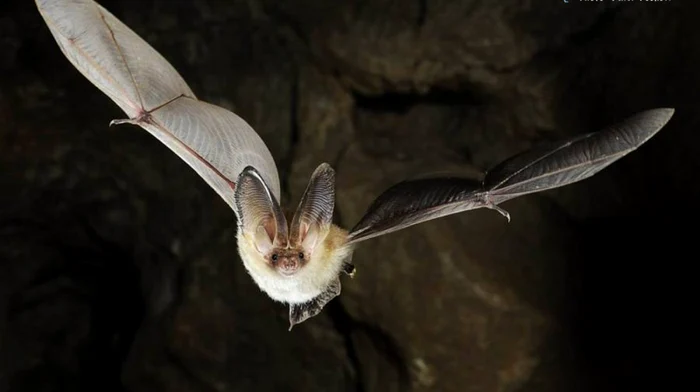
A man died after being bitten by a bat in Australia Photo: Archive
An almost 50 -year -old man in northern New South Wales died a few months after he was bitten by a bat. Although he received initial treatment, his condition later worsened. Doctors have confirmed that it was an infection with the Lyssavirus of the Australian lilac, an extremely rare and lethal disease.
It is the first case of this kind reported in the state, according to The Guardian. An official of the New South Wales Health Department confirmed the death and made a public call: “The community must avoid touching or manipulating the bats ”.
“We express our sincere condolences to family and friends ”transmitted the health service in New South Wales in an official statement. The representatives of the authorities added: “Although it is extremely rare to see a case of Lyssavirus of the Australian Liliac, there is no effective treatment for it. ”
How the virus is transmitted and how dangerous it is
Lyssavirus is very similar to rabia and is transmitted by bite or scratch, when the saliva of the infected animal enters the body. The virus does not exist naturally in Australia, but the bats in the area can be carriers.
Symptoms do not appear immediately. Days, months or even years can be passed until they manifest itself. The first signs are similar to a flu: headaches, fever and fatigue. Subsequently, the disease evolves quickly to paralysis, delirium, convulsions and death.
“The Lyssavirus of the Australian Liliac is very closely related to rabies and will cause the death of vulnerable people if infected and not treated quickly“Explained James Gilkerson, an expert in infectious diseases at the University of Melbourne.
How many cases have been reported
Since the identification of the virus in 1996, only three cases of human infection with the Australian Liliac lilac have been confirmed in Australia. Two of the patients, a woman in 1998 and an eight -year -old boy in 2013, died, the national scientific research body said.
Recommendations of authorities for population
The sanitary authorities point out that all Australian bat species can be carrier to the virus and recommend avoiding direct contact with these animals.
“If you or someone you know is bitten or scratched by a bat, you must immediately wash the wound for 15 minutes with soap and water and apply an antiseptic with antiviral action. Patients should then receive treatment with anti -robial immunoglobulin and rabies vaccine“, An official from the New South Wales health service explained.
It is essential that the medical intervention be done immediately after contact with the animal, as, once the symptoms are installed, there is no effective treatment.