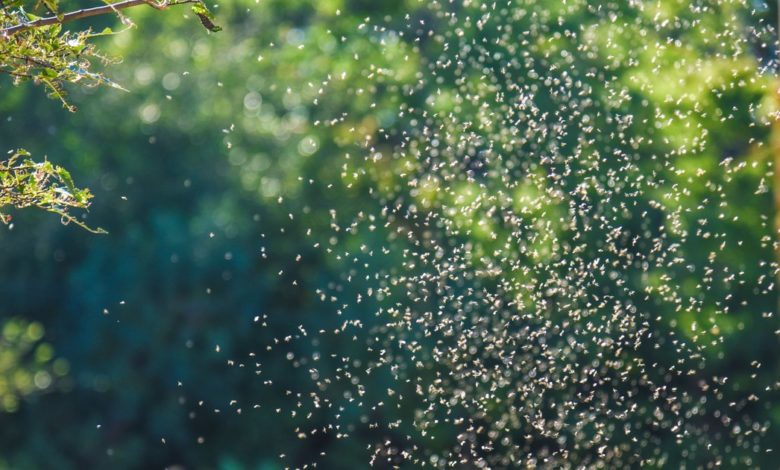
The hot season brings the joy of long outdoor evenings, vaporous holidays and dresses, but also a reality that many ignore until it becomes impossible to overlook: summer is the season of insect invasions. The mosquitoes, the flies, the ticks, the floods, the ants and other pests make their presence felt with an almost aggressive insistence, especially in the context of climate change, urbanization and lack of coherent prevention measures. Beyond the created discomfort, these insects are diseases, affect animals and can destroy people's gardens and cultures.
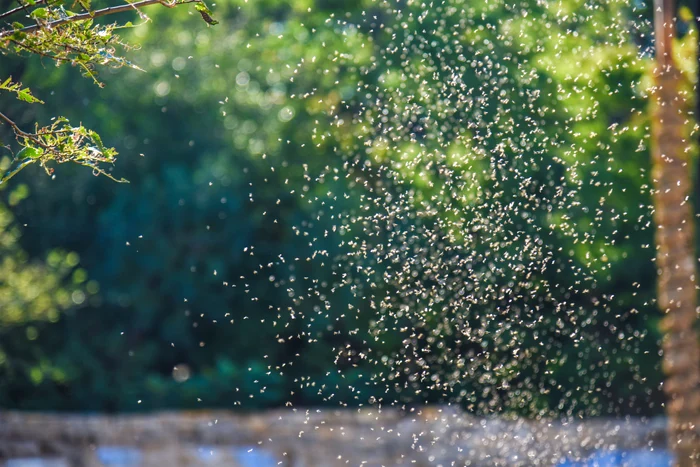
Beyond discomfort, these insects are carrier of shutterstock photo diseases
Mosquitoes They are undoubtedly the negative stars of summer. In addition to the annoying stings and allergic reactions they can cause, they can transmit dangerous viral diseases, such as West Nile, Dengue, Zika or Chikungunya. In Romania, the West Nile virus is the most widespread, being responsible for dozens of annual cases of encephalitis, sometimes with fatal evolution.
Fliesapparently harmless, can transmit bacteria such as Salmonella, E. Coli or Shigella, contaminating food and favoring food poisoning. They are a danger especially in rural areas, where contact with manure, animal dejections and lack of regular waste collection offers an ideal environment for reproduction.
ticks I am another threat, especially in the green areas around the cities or in the forests. They can transmit Lyme disease or tick encephalitis – serious diseases, difficult to diagnose and sometimes impossible to treat completely. The infestation is done quickly, often without the victim realize.
Often associated exclusively with pets, fleas They are hematophagous parasites (which feed on blood) with a much greater potential for spread and discomfort than you might think. Discreet, agile and extremely resistant, these small invaders can turn into a serious problem, especially in the hot months, when their life cycle accelerates exponentially.
Fleas prefer the fur of dogs and cats, but they can also live in carpets, mattresses, parquet cracks, armchairs or in bed sheets. Contrary to popular perception, fleas can bite and humans, especially in the absence of animals around. The stings are generally grouped, causing intense itching, inflammation and, in some cases, secondary infections or severe allergic reactions.
BIO SOLUTIONS: Between tradition and innovation
In the face of these invasions, the first line of defense is prevention. And the bio, natural methods remain the safest long -term, both for humans and animals or environment.
In the rural area, where the insects proliferate because of the compost piles, the ponds or the animal shelters, the most effective methods are the old, but functional: keeping the cleaning in the household, covering the water sources, using repellent plants (peppermint, basil, lavender, citronella) The chickens are good tick hunters, and the frogs and birds do their job excellent in the gardens that offer them habitat.
In the urban environment, the challenges are different: agglomeration, unleashed garbage, clogged sewers – a paradise for insects. Here, natural solutions involve, in addition to rigorous hygiene, the installation of insect nets on windows, the use of aromatic plants on the balcony and avoiding the accumulation of water in pots or plates. Lemon eucalyptus oil, diluted and applied to the skin, is an excellent organic alternative for chemical sprays, as well as vinegar mixtures with lavender or neem oil, used to clean surfaces.
Trade products, a solution?
Trade abounds in insect protection solutions. Leather sprays are the most popular, and those with deet, icaridine or citriodiol are recognized as effective. However, their application must be done correctly and moderately. High Deet concentrations can cause allergic irritation or reactions, and children under two months should not be exposed to these substances. Plant -based variants are milder, but it requires frequent reapplication.
Chamber sprays, electrical plates or insecticide vaporizers act efficiently in the short term, but come with a hidden price: the quality of the air in the house. Repeated inhalation of substances such as transflutrine or pralletrin can be harmful to people with asthma or allergies, but also for pets. The use must be made with caution, in well -ventilated and constant exposure rooms.
The lamps with UV light, which electrocute insects, only work at night and have no effect on mosquitoes, which are oriented according to the body smell. Ultrasound devices are often promoted as a miraculous solution, but scientific studies show that their efficiency is almost zero.
In the long term, the safest and most sustainable methods remain physical and preventive: insect nets, fans (mosquitoes cannot fly in strong air currents), rigorous cleaning and elimination of stagnant water.
What can the authorities do
The real combat of summer pests cannot be left exclusively to citizens. Local authorities should carry out regular disinsection campaigns, especially in areas with abundant vegetation, lakes or sewerage, but also educate the population on risks and prevention methods. In many cities in Romania, however, the interventions are sporadic, poorly communicated or delayed, and the purchases of deratization and disinsection services often reach the center of the scandals. In the rural area, responsibility is even more dispersed, and people often have to improvise for lack of support. A coherent national strategy of combating vectors could reduce not only the discomfort of summer, but also the burden of transmissible diseases. The fight against harmful insects must be taken on several fronts: with individual responsibility, with bio and balanced solutions, but also with clear and coherent public policies.