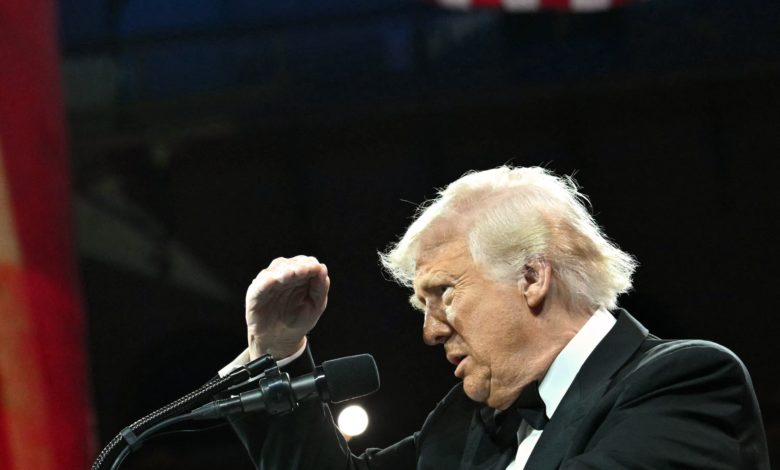
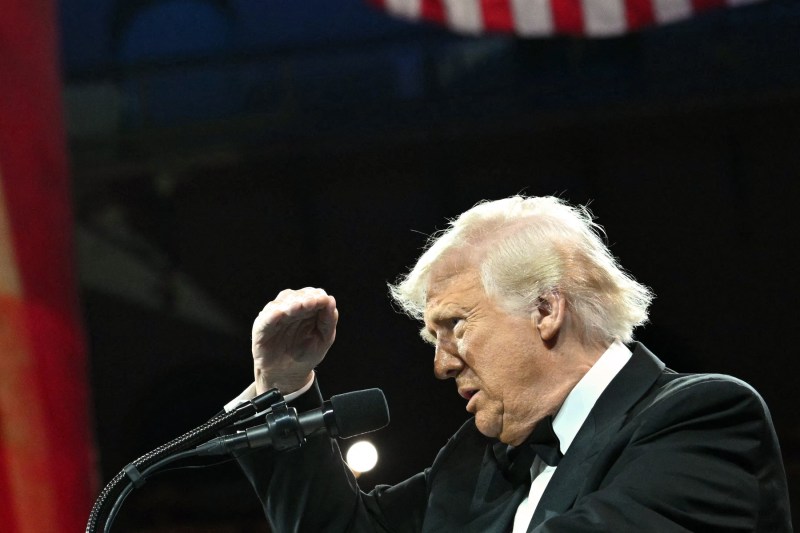
Donald Trump, at the dinner organized in his honor on April 8 by the US Republican Party, photo: Saul Loeb / AFP / Profimedia Images
The US and the other nations in the group of the seven (G7) have agreed to support a proposal to except US companies from certain components of an existing agreement, G7 announced in a statement issued on Saturday, according to Reuters.
In January, by an executive order, Donald Trump said that the Global Corporation's minimum tax agreement is not applicable in the United States, practically retreating the country from an important understanding that the former American administration, led by Democrat Joe Biden, with almost 140 countries. In addition, the Republican President threatened with reprisals against countries imposing American companies taxes under the global agreement.
Now, G7 has announced that it has created a “side-by-side” system (shoulder to shoulder) in response to the American administration's decision to accept the reprisal tax from President Donald Trump, the Canada statement, the country holding the group's rotary presidency.
G7 said the plan recognizes existing American legislation in the field and aims to bring more stability to the international fiscal system.
G7 officials said they are looking forward to discussing a solution that is “acceptable and implementing for all.”
Donald Trump threatened with a reprisal fee
The US President said he would introduce a reprisal fee against countries that impose taxes under the global fiscal agreement of 2021.
This fee has been considered harmful to many foreign companies operating in the US.
This week, the Secretary of the US Treasury announced on social networks that the Trump administration told the Congress Republicans to give up the proposal on the reprisal tax.
The measure, which has faced a strong opposition from corporate lobbyists, risks increasing the taxes of foreign companies by up to 20 percentage points over time, if their central officers were in “foreign discriminatory countries” with “unjust foreign taxes”, writes The New York Times. Business groups warned that the tax, which was estimated to cost companies over $ 50 billion over a decade, would have discouraged foreign investments and led to dismissions.