Thousands of inhabitants of Milan are, without knowing, the protagonists of filming made by spy cameras, including their homes, and then distributed on the Internet.

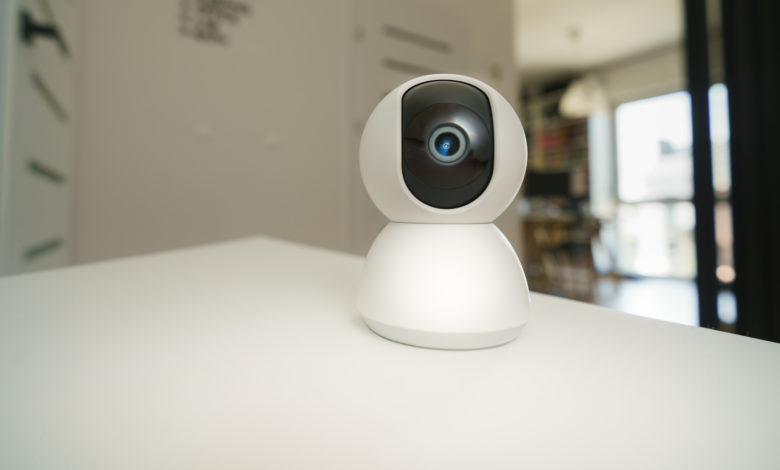
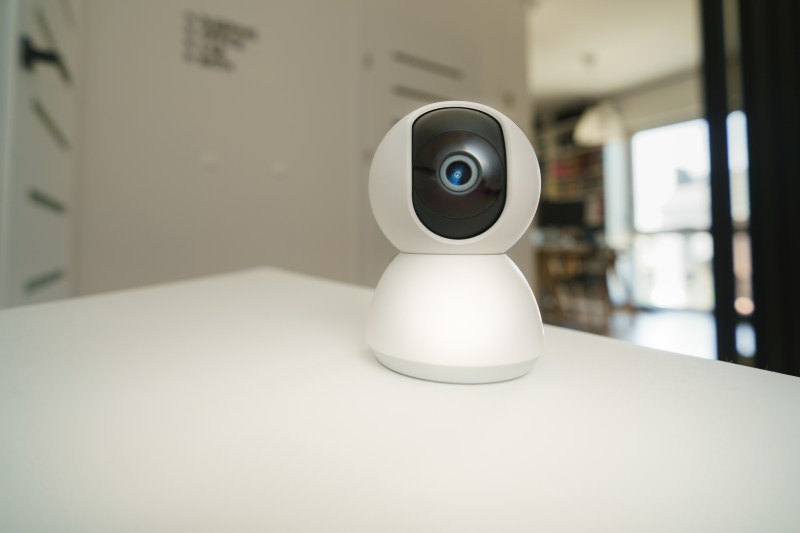
Surveillance room from a home. Photo: Jakub Zerdzicki | Dreamstime.com
“Welcome to the first channel in Europe dedicated to spy cameras. A huge archive dedicated to the world of cameras, where you can find unique materials: apartments, bathrooms, garages, sports halls and pools, nightclubs, hotel rooms …”, writes IL Corriere della Sera, taken by Rador Radio Romania.
And this time, the advertising on the Internet was not exaggerated: the materials came from one of the many platforms that intercept the video life of the people, pirates the surveillance cameras installed in private homes or commercial units, “hijacking” the images to external servers and residing the credentials (usernames and password) They had nothing, says the Italian newspaper.
The procedural difficulty consists, paradoxically, in the absence of the court of thousands of injured parties, which cannot be identified (in the captured instantaneous of their private/daily/intimate life) because they themselves are not aware that they have been raped in their domestic intimacy: which means that, for example, an unauthorized system or by an unauthorized system. Security ”cannot be prosecuted without a complaint from the victims.
The general phenomenon (estimated a few days ago to 70,000 rooms “exposed” on the Internet alone) goes through several phases.
In the first, the online room network is scanned on the Internet by computer programs that capture the authentication data that have not been modified or updated by users, or who manage to “force” too simple passwords.
Once the image flow control has been taken, the second phase is a cataloging by gender, the type of location and the attractiveness of the scene.
The third – which has developed on the basis of a specially created chat on the Russian social network “Vkontakte” – is the online “showcase” of these “goods”, which once displayed can be changed with other passwords for collectors or can be paid in cryptocurrencies, at prices that give an idea about the huge offer (10 euros for 50 passwords).
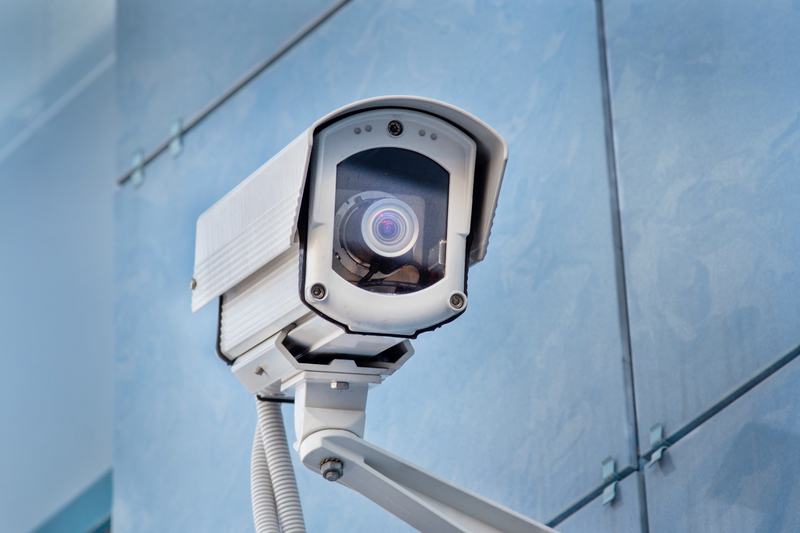 China has access to most surveillance cameras in Europe / the subject has put on European leaders
Photo: © Jakub Zerdzicki | Dreamstime.com