Large investigation in Italy: tens of thousands of homes, bathrooms and hotels, exposed on the Internet through pirated surveillance cameras

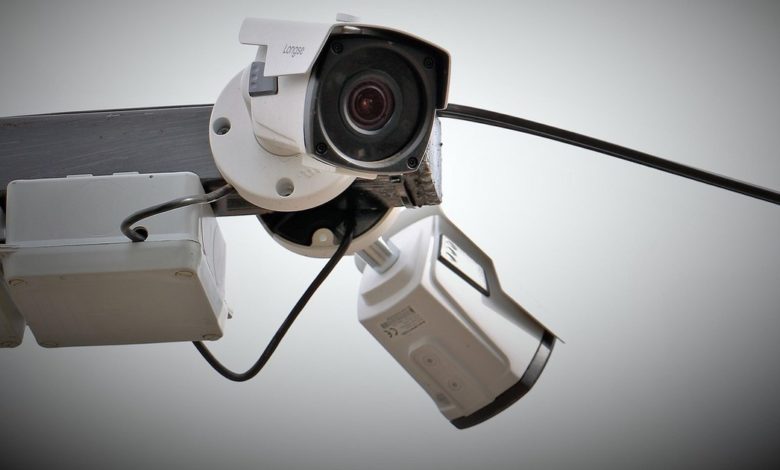
An online channel in Europe has been discovered that it broadcast thousands of video recordings obtained by pirates surveillance cameras from private homes, lockers, hotels and nightclubs, informs the international press.
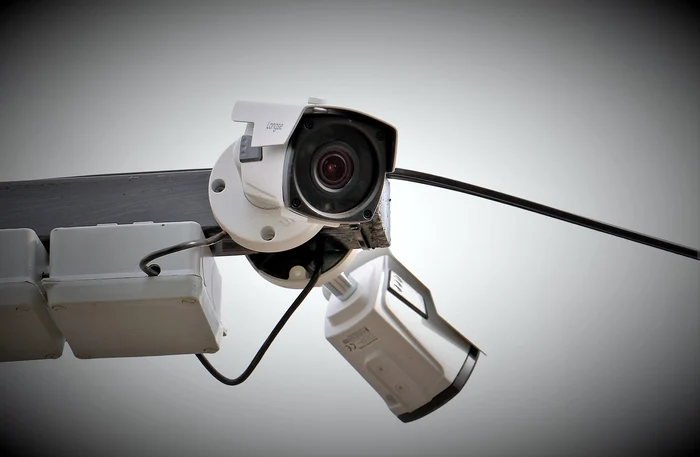
Judicial investigations are hit by a major problem. Photo: Pixabay
Under the slogan “Welcome to the first channel in Europe dedicated to spy rooms”, The platform promises users access to a “Huge archive” With videos of people's private life, surprised without their knowledge, writes Corriere della Sera Milano.
The images include apartments, bathrooms, garages, swimming pools, clubs and hotel rooms, and access is made on password – passwords obtained illegally and resold on the Internet, sometimes with only 10 euros for 50 credentials.
A phenomenon hard to investigate
Although the extent of the phenomenon is huge – about 70,000 rooms exhibited only in Italy, according to recent estimates – judicial investigations are hit by a major problem: the victims do not know that they have been filmed, so they cannot file a criminal complaint, and in many cases, they cannot be identified in the video content.
“Without a prior complaint of the injured party, the illegal access to a protected computer system cannot be prosecuted”, notes the Italian newspaper.
How the network works
Piracy of surveillance cameras is done in several stages:
– Online scanning of room networks connected to the Internet, identifying unsecured or implicit passwords.
– Accessing and taking over video flow, followed by a registration catalog according to location, scene type and content “attractive”.
Displaying materials in a “Showcase” Online, with payment in cryptocurrencies or by exchange of passwords between collectors, especially through social networks such as Vkontakte, the Russian platform used by the digital criminal community.
Cyber security specialists draw attention to the importance of changing default passwords, periodic updating of software and disconnection of the internet that are not necessary.