Anti-Covid vaccine, Trojan horse became a shield. The final verdict about the serum that scared the world


In a time when skepticism still plays on anti-Covid vaccines, two reference studies bring clarity and perhaps tranquility. One demonstrates that the post-vaccination myocarditis is real, but fundamentally different and milder than that caused by the virus. The other shows, on an unprecedented scale, that vaccination significantly reduces the risk of heart attack and stroke.

Anti-Covid vaccine, shield against cardiovascular disease, according to photo studies pexels
Together, these researches provide a complete perspective on the complex relationship between immunization, virus and heart health.
These are the latest extensive studies that put together the complicated image of the connection between Covid-19, vaccines and cardiovascular diseases, and the conclusions are much more soothing than we would have expected.
Vaccine myocarditis versus myocarditis of disease – two mechanisms, two risks
Published in Cardiovascular Nature Research in February 2025, the study led by German researchers analyzed microscopically, on real cardiac tissue samples, the differences between inflammation that occurred with SARS-COV-2, those that occur after vaccination, as well as those encountered before pandemic.
The conclusions are clear: myocarditis that can occur after PRIP vaccination is a much less invasive form. At the cellular level, it involves an immune focused, directed, without “Storms” inflammatory. In contrast, inflammation caused by Covid infection generates a massive attack from CD8+ cytotoxic cells, capable of destroying healthy tissue.
This is, in fact, the key: while the vaccine can trigger an immune reaction, it is controllable, located and much less dangerous than the immune response out of control in the case of the disease.
“In fact, our conclusions consolidate what other researches already suggested: the post-vaccination myocarditis is less dangerous than that triggered by the virus itself,” Mention Dr. Norbert Hübner, co -author and expert in cardiovascular biology.
The vaccine, a shield against heart attack and stroke-the study that changes everything
The second study published in Nature Communications In 2024, it comes from England and impresses with its magnitude. The researchers analyzed the medical data of nearly 46 million adults, representing practically the entire adult population of the country. By correlating the files of family doctors, hospitalization and death certificates, the study has shown that, in the following vaccination, the incidence of myocardial infarctions and stroke has decreased significantly.
The reduction of the risks was proportional to the number of doses administered: after the first dose, the risk was up to 10% lower; After the second dose, the protection reached 27% for Astrazeneca and 20% for Pfizer/Biontech.
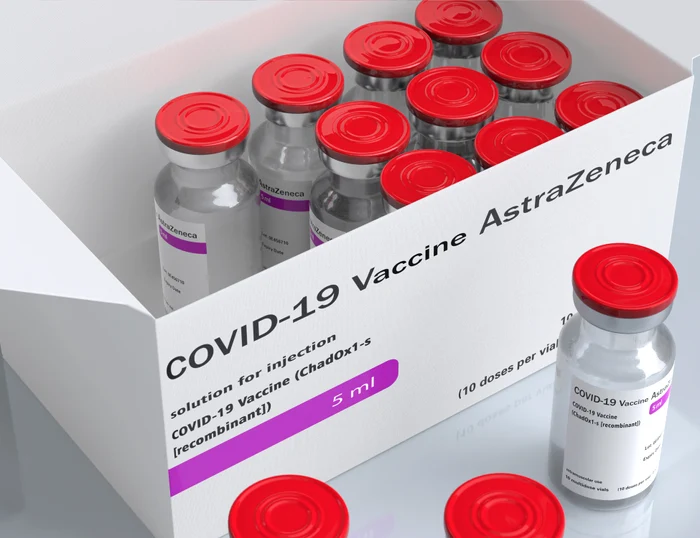
Risk reduction was proportional to the number of doses administered by the photoshutterstock vaccine
How does the researchers explain this phenomenon? It is not a direct effect of the vaccine on the heart, but about the protection offered against the infection itself, the researchers mention. The SARS-COV-2 virus, in its severe forms, can cause serious damage to blood vessels and increase the risk of thrombosis or systemic inflammation. In other words, the vaccine reduces the chances of developing Covid Sever – and Covid Sever is a major danger to the heart: thrombosis, vascular inflammation, excessive coagulation. The vaccination thus stops this dangerous chain of events.
“Vaccination protects the heart because it stops the harmful effects of the virus on the blood vessels and the circulatory system …. This research further supports the many evidence regarding the efficiency of the program Anti-Covid vaccination-19, who saved millions of lives globally ”explains Dr. Samantha IP, a researcher at Cambridge University.
Two perspectives that are not excluded, but complement
The two studies are not contradicted, but they offer a complete image together: yes, there may be rare adverse effects after vaccination, and myocarditis is one of them. The specialists thus confirm that there are rare cases of post-vaccination heart inflammation (especially in young people), but they are easy and have a favorable evolution. In contrast, at the population level, the vaccine significantly reduces the risk of serious cardiovascular disease – conditions that cause millions of deaths every year.
So the rare forms of myocarditis are generally passing and perfectly treatable. At the same time, on a large scale, vaccination provides clear and measurable cardiovascular benefits.
Professor William Whiteley, at the University of Edinburgh, is unequivocally said that the benefits of anti-Covid vaccination far exceed the rare risks of complications. This message is of particular importance in the context of the impact of cardiovascular disease as the main cause of global mortality.
More than just a medical comparison, the British study offers a firm answer to a question that has generated fears, speculation and alarming titles: Is the vaccine a danger to the heart?
The researchers' response confirms that the risk exists, but it is much lower and more controllable than the one associated with the infection with SARS-COV-2.
“Now we know clearly that post-vaccination heart inflammation has a different immunological signature, which allows us to treat better and reassure public opinion.”also explains Dr. Henrike Maatz, the main author of the German study. He also mentioned that: “We have noticed clear differences in immune activation. This knowledge could help develop new, personalized therapies, adapted to the specific type of inflammation.”
Message for skeptics and the entire community
In an age when information and misinformation are mixed in a difficult to decipher chaos, the two extensive studies come as a ray of light: the vaccines not only save lives by preventing severe forms of Covid-19, but also seem to reduce the risk of serious heart disease-the main cause of world death.
While the world is still trying to find the post-pandemic balance, science conveys a clear message: vaccines are more than a shield against the virus. They can play a strategic role in protecting cardiovascular health. “It is good news for the hearts of the vaccinated,” says Dr. Venexia Walker from the University of Bristol, co -author of the study.
But what differentiates these studies is their complementarity: one with an unprecedented dimension, the other with a unique microscopic depth. The data collected from nearly 46 million adults in the UK and those analyzed at the cellular level in Germany confirm a clear trend-among vaccinated persons, the risk of infarction, stroke and other severe cardiovascular complications has been lower compared to that of the unvaccinated or infected with serious forms of Covid-19.
The protective effect seems to come from a direct action of the vaccine on the heart, but from reducing the risk of developing severe infections that can trigger vascular inflammation, dangerous coagulations and other cardiovascular complications.
Therefore, the two perspectives – the rare risks and the proven benefits – are not excluded, but complement. Yes, there are side effects monitored and constantly studied, but on a large and long-term scale, anti-Covid vaccination proves to be a major ally of cardiovascular health.
What should we retain
The anti-Covid vaccine is not without secondary reactions, but they are rare, predictable and manageable. The heart inflammatory reaction, when it appears, is controllable and milder than that caused by the infection with the SARS-COV-2 virus.
In contrast, the infection can trigger severe inflammatory reactions, difficult to control, which directly endanger the health of the heart. At the same time, vaccination contributes – to the population level – to the significant reduction of infarction and stroke cases, two of the most common and lethal cardiovascular disease.
Vaccination provides double protection: against disease and heart complications. On a large scale, this means fewer heart attacks, fewer strokes, more lives saved.
This is not just an immunology lesson. It is a lesson about balance, concrete data and confidence in evidence -based medicine.
The anti-Covid vaccine is not perfect, but it is a powerful ally of the heart-and of public health. It can produce reactions, sometimes visible, but in the long run it diminishes the risks that really matter.
In a world tired of misinformation, science remains our compass. And science clearly says: the vaccine is not only a shield against Covid, but also a heart protector.