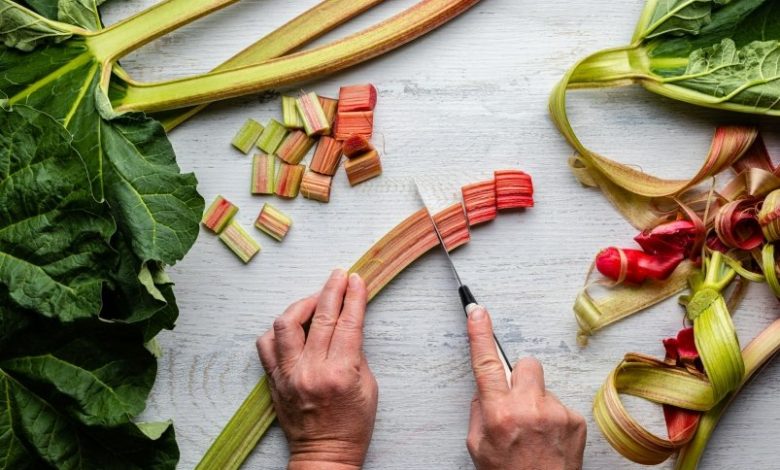
The summer season has just begun, and a controversial hero of summer is already flaunting in the markets – rhubarb. We love him: they cook compotes, bake pies, add to the darkness and even put in soups. But European nutritionists and doctors treat him carefully and advise to avoid at all. Let's figure out what it really is: a delicious summer treat or a hidden threat.
All intrigue-in the composition, says candidate of sciences, Dr. Elena Bochkareva in her TG channel “Health 24/7” (18+). Rhubarb is rich in vitamins C and potassium, perfectly supports the immunity and work of the heart, and dietary fibers stimulate digestion. But it has oxalic acid, and a lot. It was thanks to her that rhubarb came under the sight of doctors: with excessive use, it can contribute to the formation of kidney stones, especially if there is a predisposition to this.

The largest amount of acid is in the leaves, and it is precisely they cannot be eaten under any circumstances. Only the stems go into business: dense, crispy.
How to choose and cook
- Take bright, elastic stems, without damage and signs of wilting.
- Before cooking, be sure to rinse and clean from hard fibers.
- Boil 2-3 minutes to reduce the content of oxalic acid.
- No need to eat it every day for breakfast, lunch and dinner – even if it is very tasty.
If you have no kidney problems, moderate use of rhubarb will not harm. On the contrary, it is rich in vitamin C, which strengthens immunity, potassium, necessary for the health of the heart and dietary fiber – to normalize digestion. And also antioxidants that help fight aging.
What to cook
Rhubarb goes well with strawberries, apples, raspberries, it is added to desserts, pastries, cottage cheese, smoothies and refreshing lemonades, boil compotes and jelly, used as a filling for pies and dumplings. Fans of experiments advise making it from it piquant sauces for meat and fish – the taste is unexpectedly bright and summer. There are a lot of dishes, the main thing is to follow the recommendations.
Important: this information is not a replacement for a doctor’s consultation. The body's reaction to changes in nutrition can depend on individual physiological characteristics, genetic predisposition and health status. Before starting changes in the diet, it is recommended to consult a dietitian or attending physician to ensure the safety and effectiveness of the selected measures.