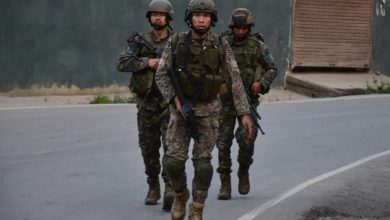
US secret services believe that Iran has not yet decided whether to build a nuclear bomb / an American attack can change things

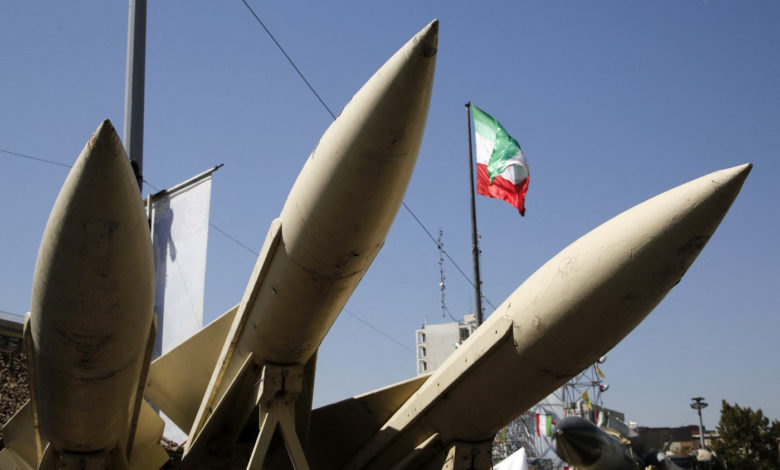
Information agencies officials believe that Iran may be driven to build a nuclear weapon if the US would attack the Forto uranium enrichment or if Israel would kill the supreme leader, writes the New York Times.
American intelligence agencies continue to believe that Iran has not yet decided whether to produce a nuclear bomb, even though it has developed a large stock of uranium in need to do so, several Washington officials said.
This evaluation has not changed since the information agencies last addressed Iran's intentions in March, officials said, even though Israel has attacked Iranian nuclear facilities.
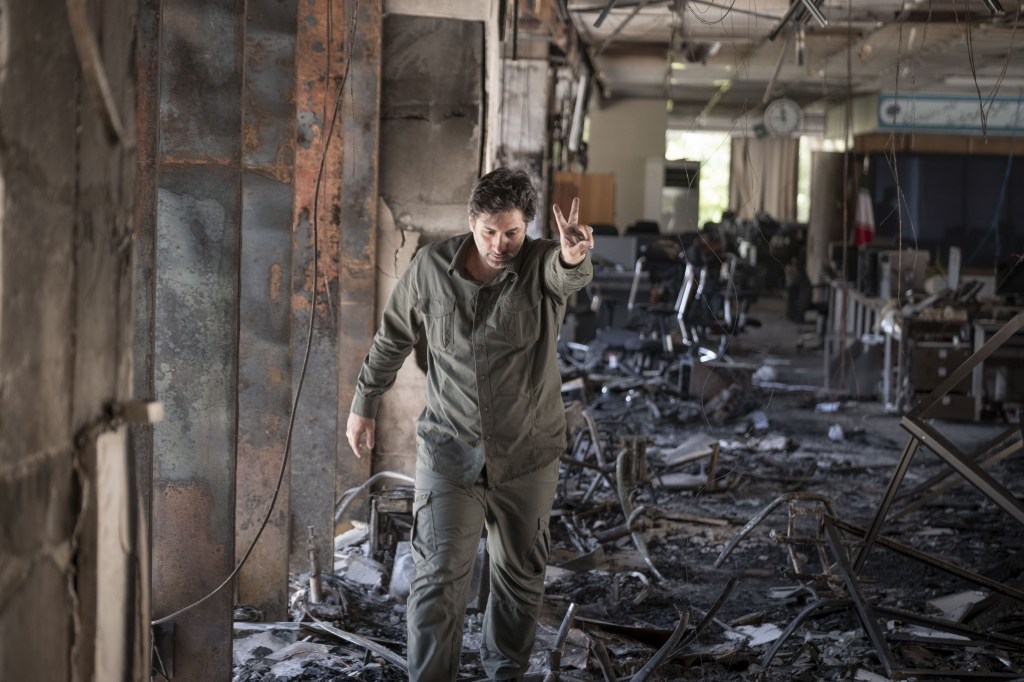 Live War Israel-Iran, the eighth day: overnight attack on dozens of targets in Tehran / Iran does not want to negotiate anything as long as Israel continues the blows
However, secret service officials said Iranian leaders could decide to produce a bomb if the US Army would attack the Iranian Uranium enrichment installation or if Israel would kill the supreme leader of Iran, writes New York Times.
Israeli estimation, American analysis
White house officials held an informative meeting on Thursday and announced that Trump will make a decision on a possible conflict involvement in the next two weeks.
At the White House meeting, John Ratcliffe, the CIA director, told officials that Iran is very close to having a nuclear weapon.
Karoline Leavitt, the spokesman for the White House, later said that Iran has the necessary materials for the manufacture of a bomb.
“Let's be very clear: Iran has everything he needs to get a nuclear weapon,” she said. “All they need is a decision on the part of the supreme leader in this regard, and the production of the respective weapon would take a few weeks,” Leavitt added.
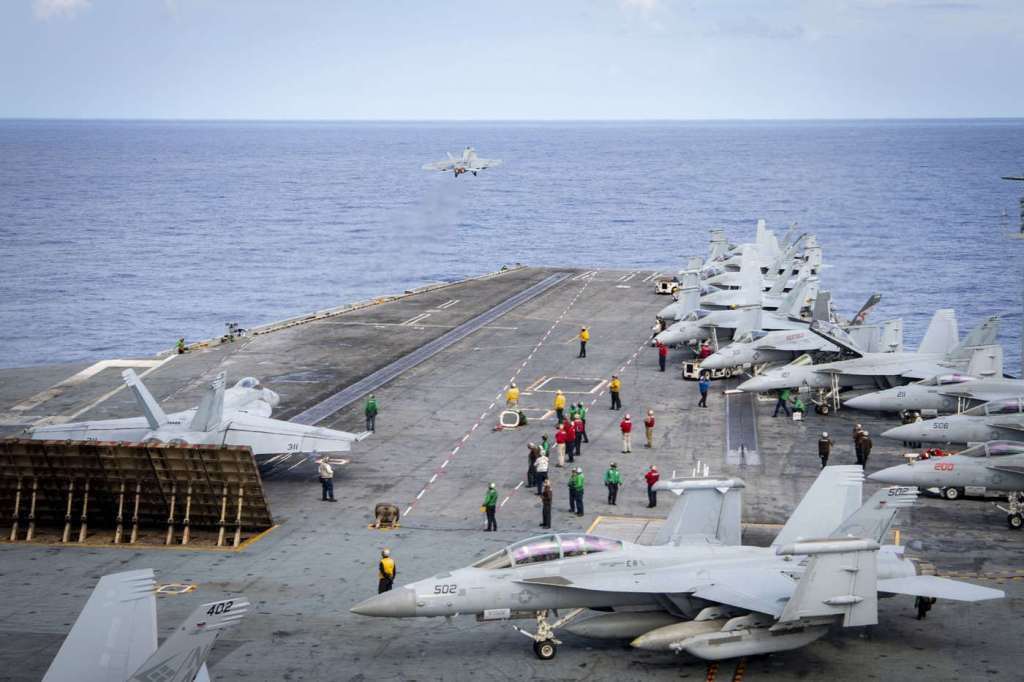 It's not just about diplomacy. What follows after Trump's announcement of postponing two weeks the decision of US entry into the Israel-Iran war
Some US officials have said that these new assessments reflect the information provided by Mossad, the Israeli Information Agency, who believes that Iran can obtain a nuclear weapon in 15 days.
While some American officials consider credible Israeli estimation, others have stressed that the assessment of American intelligence services has remained unchanged, and American spy agencies believe that Iran could take them a few months, and up to one year to manufacture a weapon.
Khamenei's face
Information services assessments are often drafted in a way that allows decision makers to draw different conclusions, writes New York Times.
Many officials in the intelligence services believe that the reason Iran has accumulated such a large amount of enriched uranium is to have the ability to quickly move on to the manufacture of a bomb.
Some officials believe that Israeli evaluations have been influenced by the desire of Prime Minister Benjamin Netanyahu to obtain American support for his military campaign against Iran.
However, Netanyahu said on Thursday that Israel can reach his goals alone in Iran's nuclear installations.
In any case, none of the new assessments regarding the calendar of obtaining a bomb are based on new information, according to several officials.
The supreme leader of Iran, Ayatollah Ali Khamena, issued a religious decision, or Fatwa, which prevented the country from developing nuclear weapons. This “is currently valid,” said a high official from intelligence services, adding that the Israeli evaluation that Iran is 15 days away is alarmist.
The large enriched uranium stock represents a threat
Netanyahu has repeatedly warned over the years that Iran is close to obtaining a nuclear weapon. And since Israel began attacks on Iran nuclear installations, Israeli officials have warned that Iran is a few weeks away from having the components needed for a bomb.
Netanyahu was not specific to the calendar.
“In recent months, Iran has taken measures that he has never taken before, measures to transform this uranium enriched into weapons, and if not stopped, Iran could produce a nuclear weapon in a very short time,” he said.
“It could be a year. It could be in a few months, less than a year. This is a clear and present danger for the survival of Israel itself,” he stressed.
American officials recognize that the large stock of rich uranium is a threat.
In his declaration on June 10 in front of the Congress, General Michael E. Kurilla, the head of the central command, said that Iran's nuclear stock and the available centrifuges could afford to produce weapons material within a week and would be sufficient to manufacture 10 weapons in three weeks, if the Government decides to “hurry”.
In the March statement, Tulsi Gabbard, the director of the national intelligence services, mentioned that the Iranian stock was at a high level, a level that she qualified as unprecedented for a non-nuclear state.
Officials said that Mrs. Gabbard's comments remain correct and are in accordance with the idea that Iran gathers the components of a weapon.
Not just uranium
Iran's uranium reserves are enriched at 60%. To make a bomb, they should be enriched even more, up to 90%.
The enrichment of uranium means reducing the percentage of natural uranium, U-238, and increasing the percentage of an easier isotope, U-235, which can support a nuclear reaction.
But the production of a weapon requires more than uranium. Iran should also make a bomb and possibly miniaturizes it to mount it on a focus.
Although the United States and Israel believes that Iran has the technical ability to build a bomb, there is no information to indicate that it would have begun to do so.
American secret services believe that Iran could shorten the term of accomplishment if they would opt for a more rudimentary weapon, which could not be miniaturized and mounted on a rocket.
Such a rudimentary weapon could be more like the Bomb thrown by the United States on Hiroshima.
High officials, including JD Vance Vice President, said new information has appeared since the position of US secret services has been made public in March.
But officials said that the information from Israel and other sources was not new information about Iran's program or intention to build a bomb, but rather a new analysis of the existing works.